


























Florida Blue · Blue Cross Blue Shield of Florida · ALMA DDB
A CampaignBuilt to Scale.
- Unique shots
- Unique shots
- Shoot days
- Shoot days
- Models
- Models
- Crew
- Crew
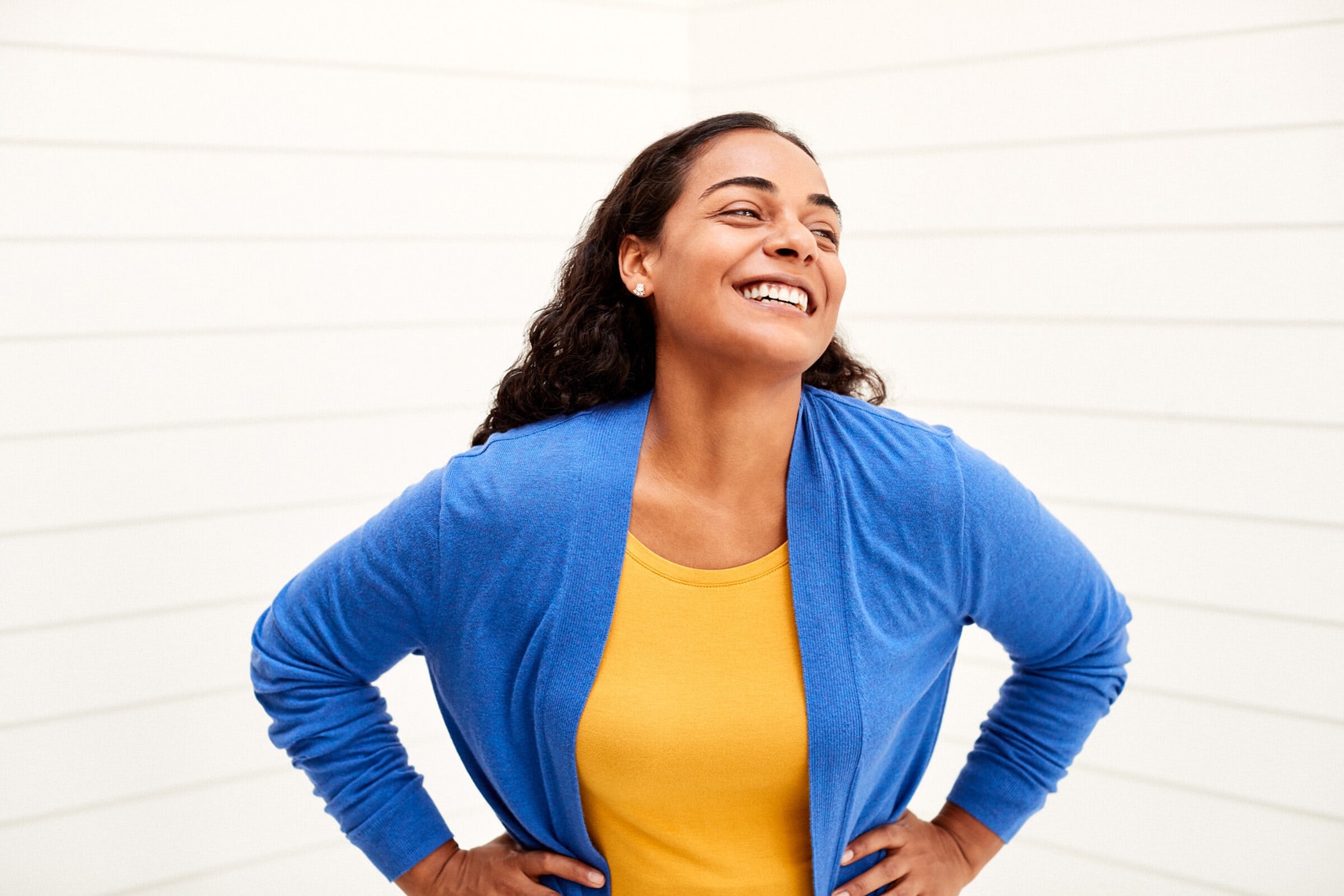
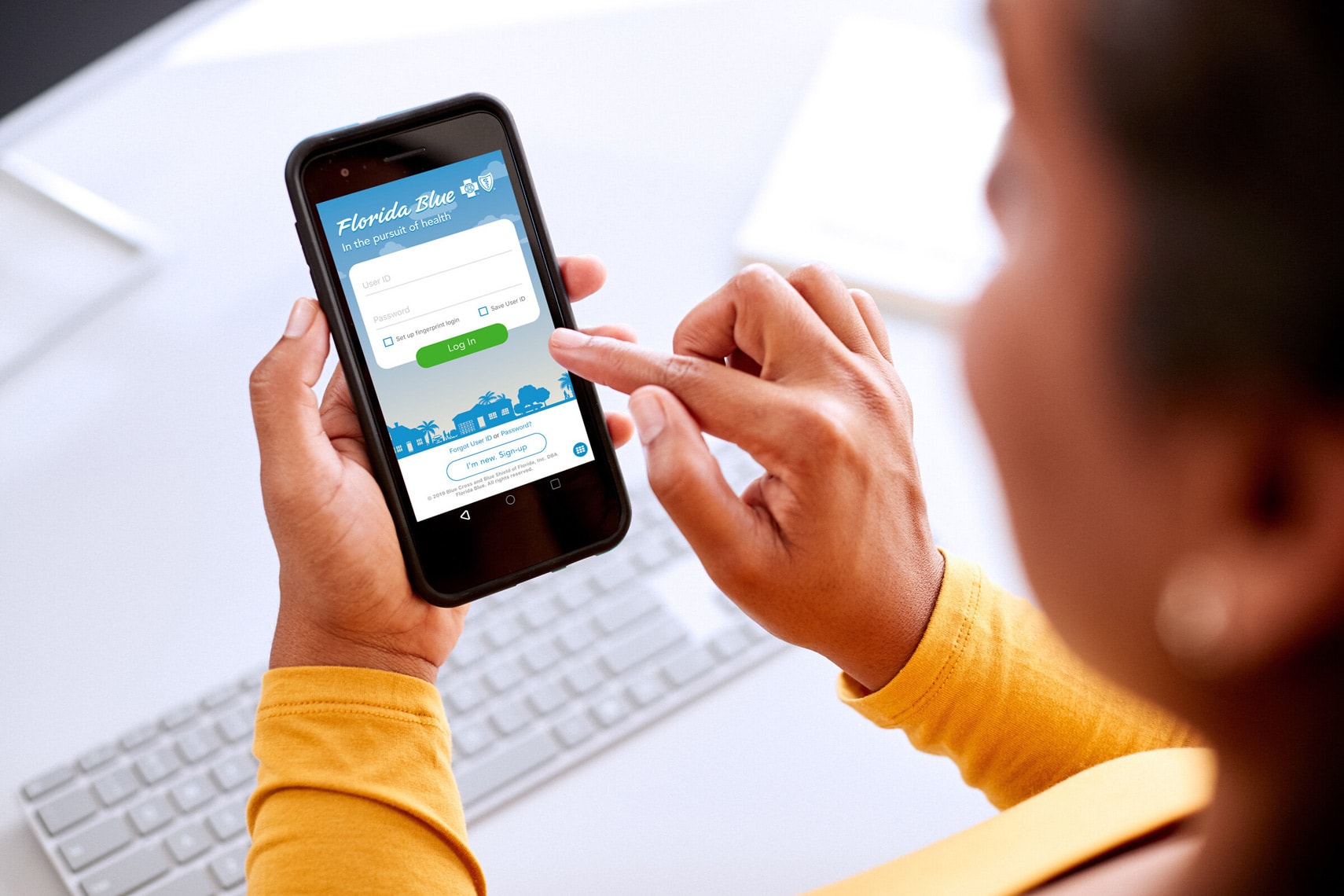
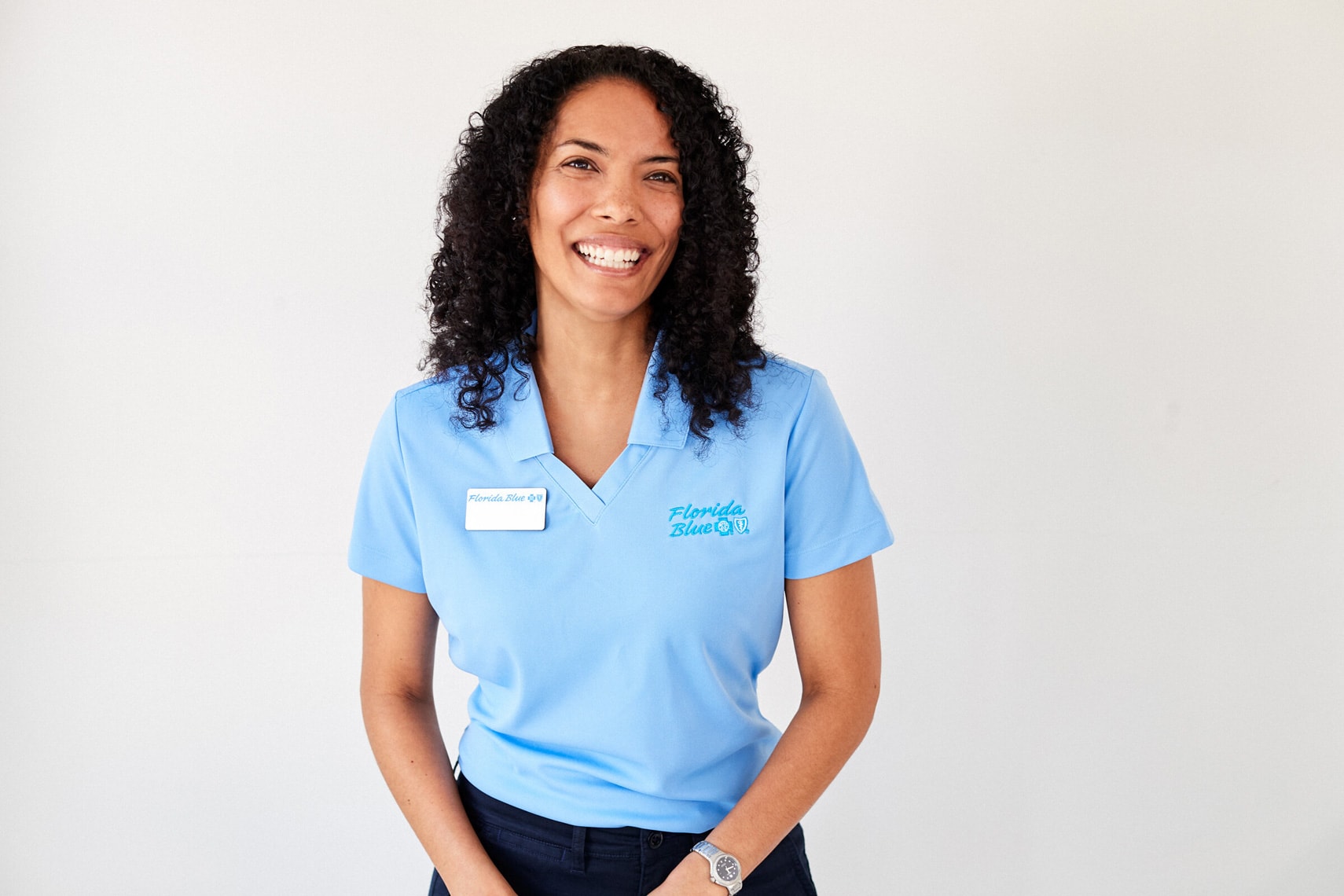
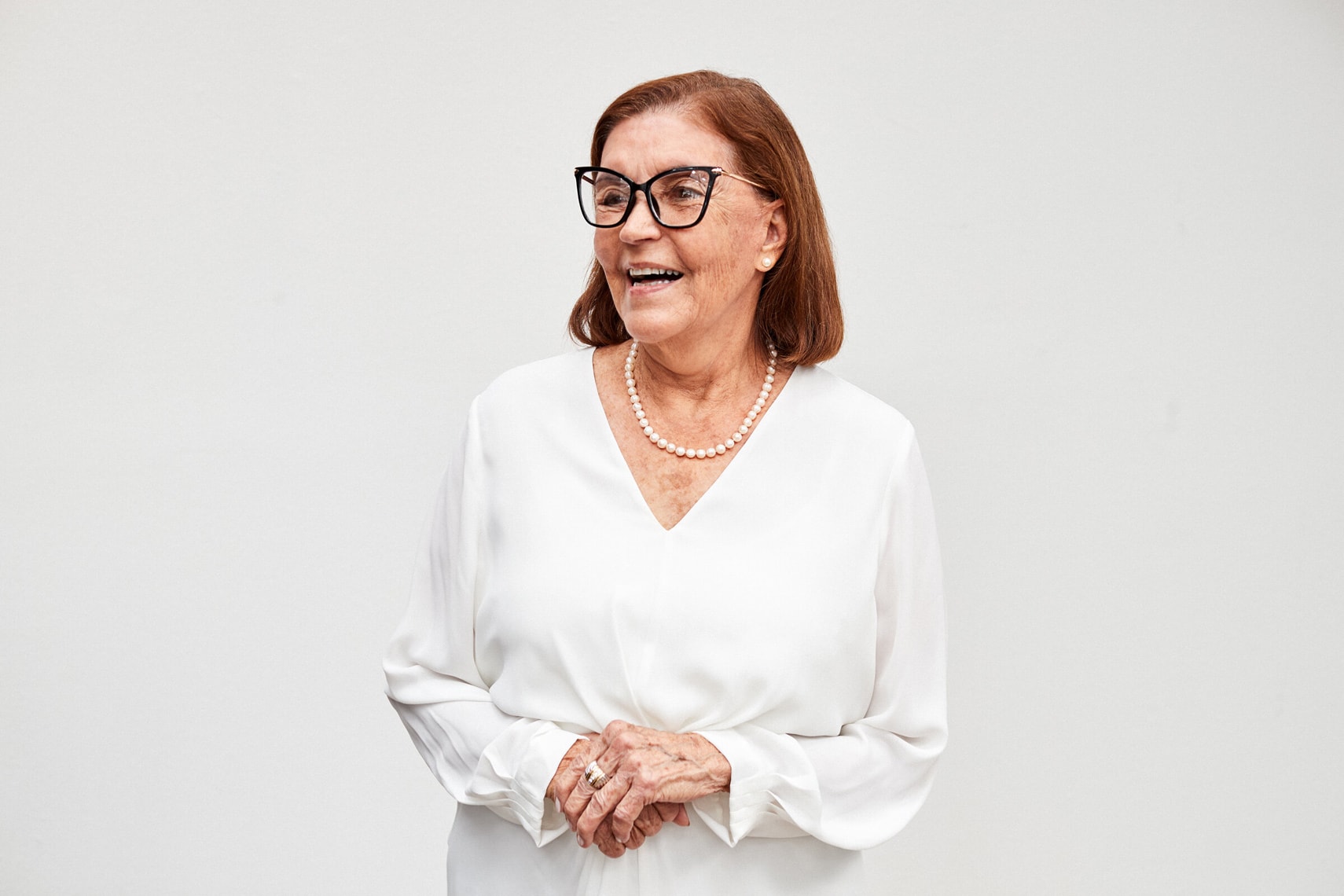
Fifty-plus standalone images spanning the full breadth of Florida life. One budget. One team. Three days.
01The Brief
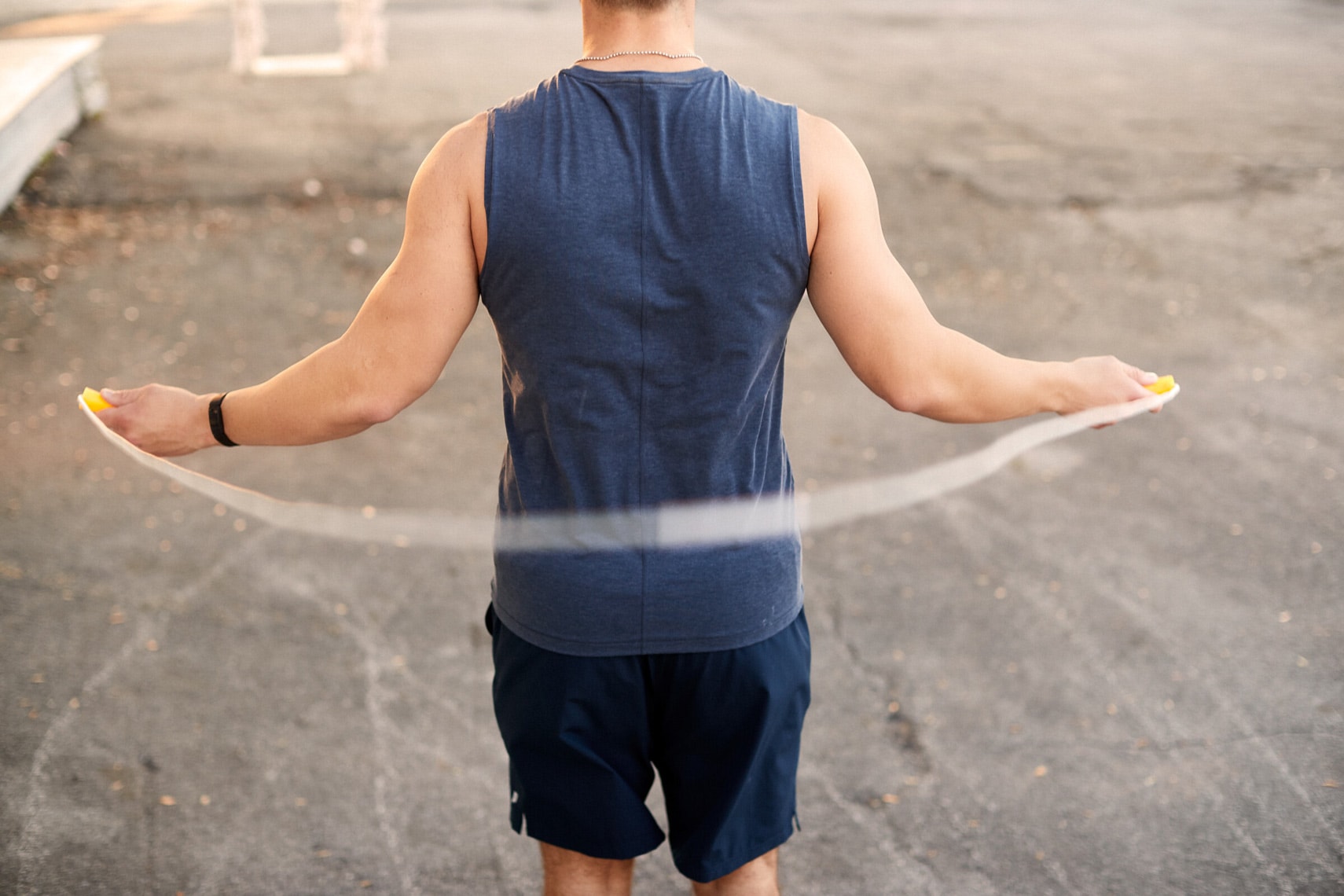
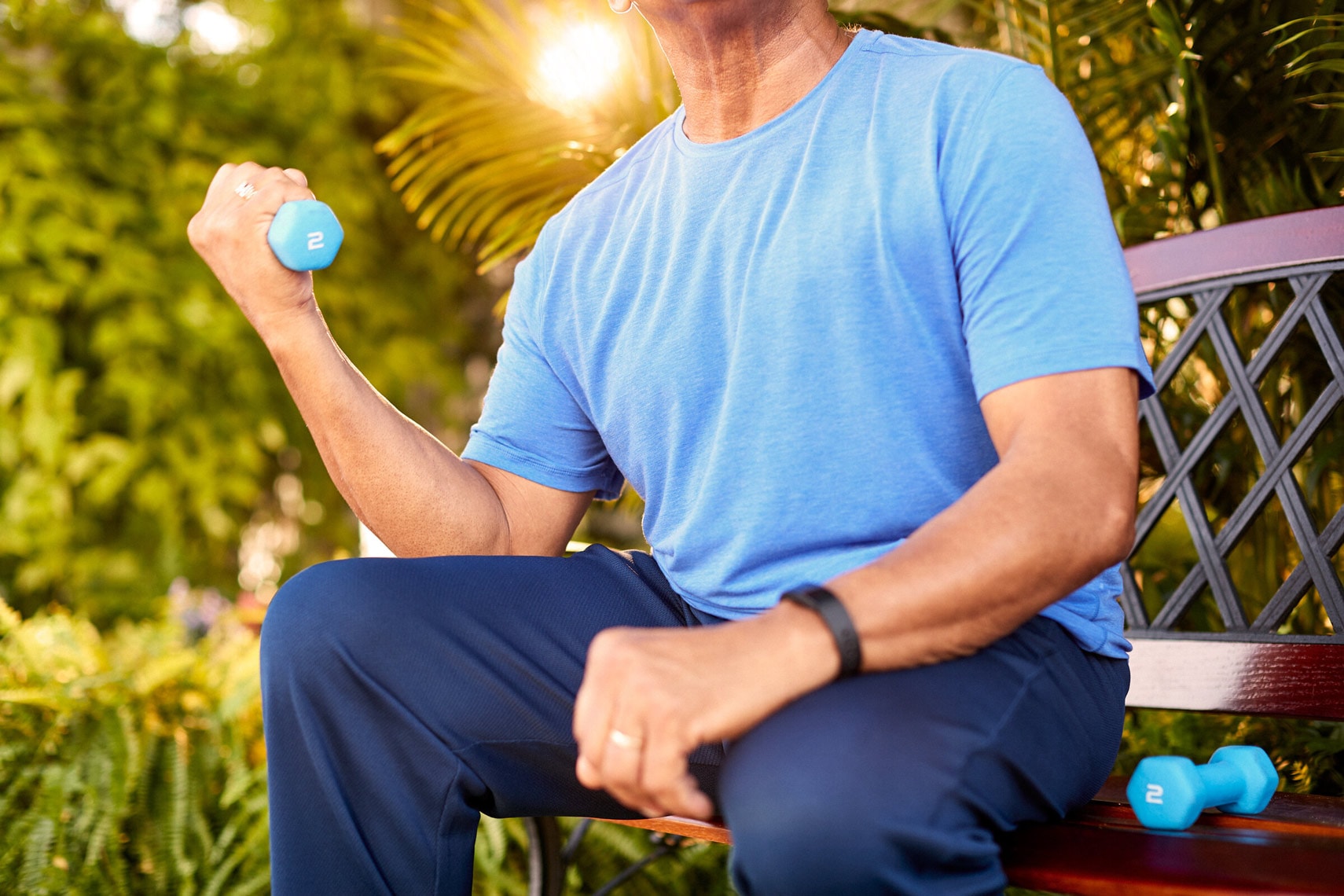
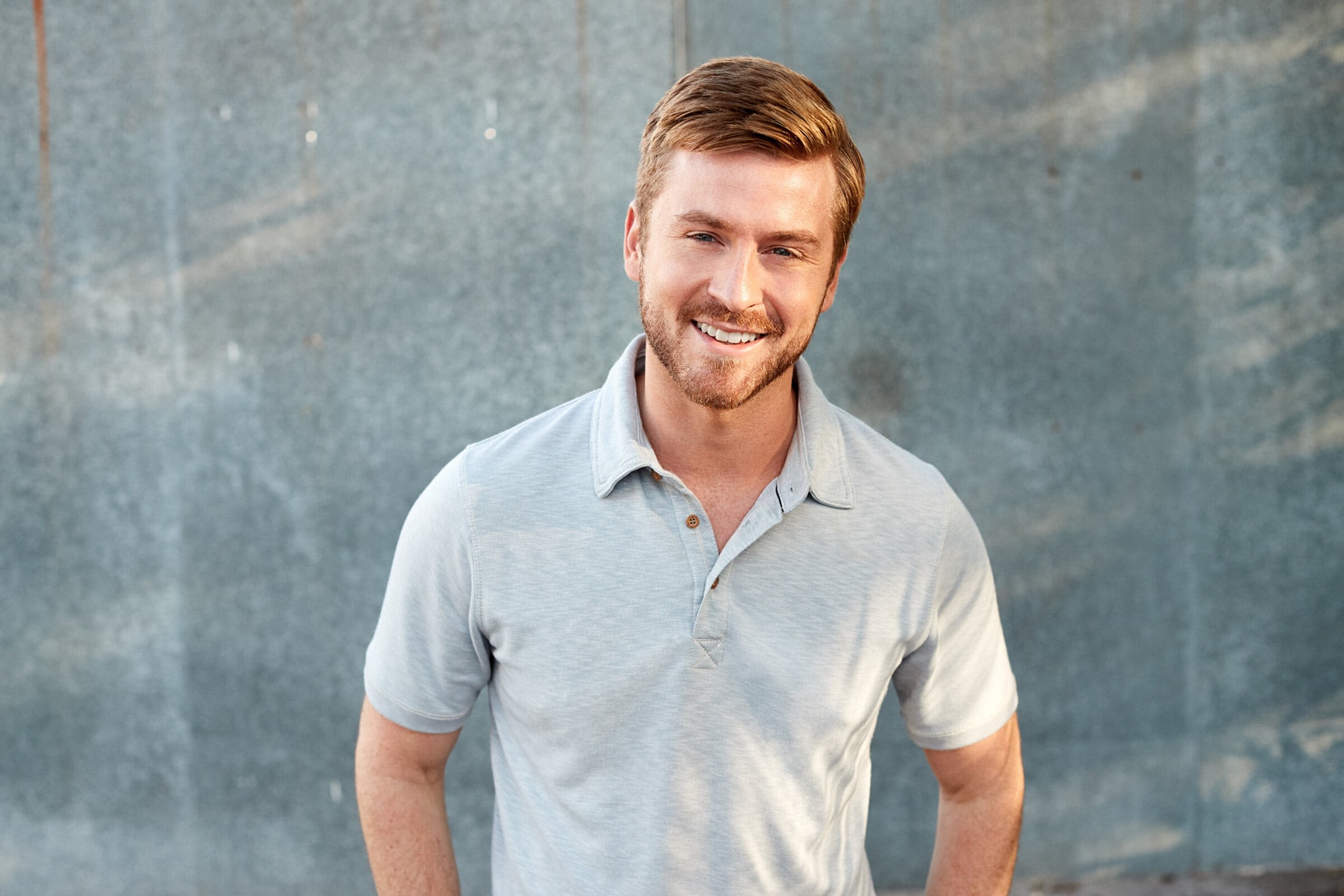
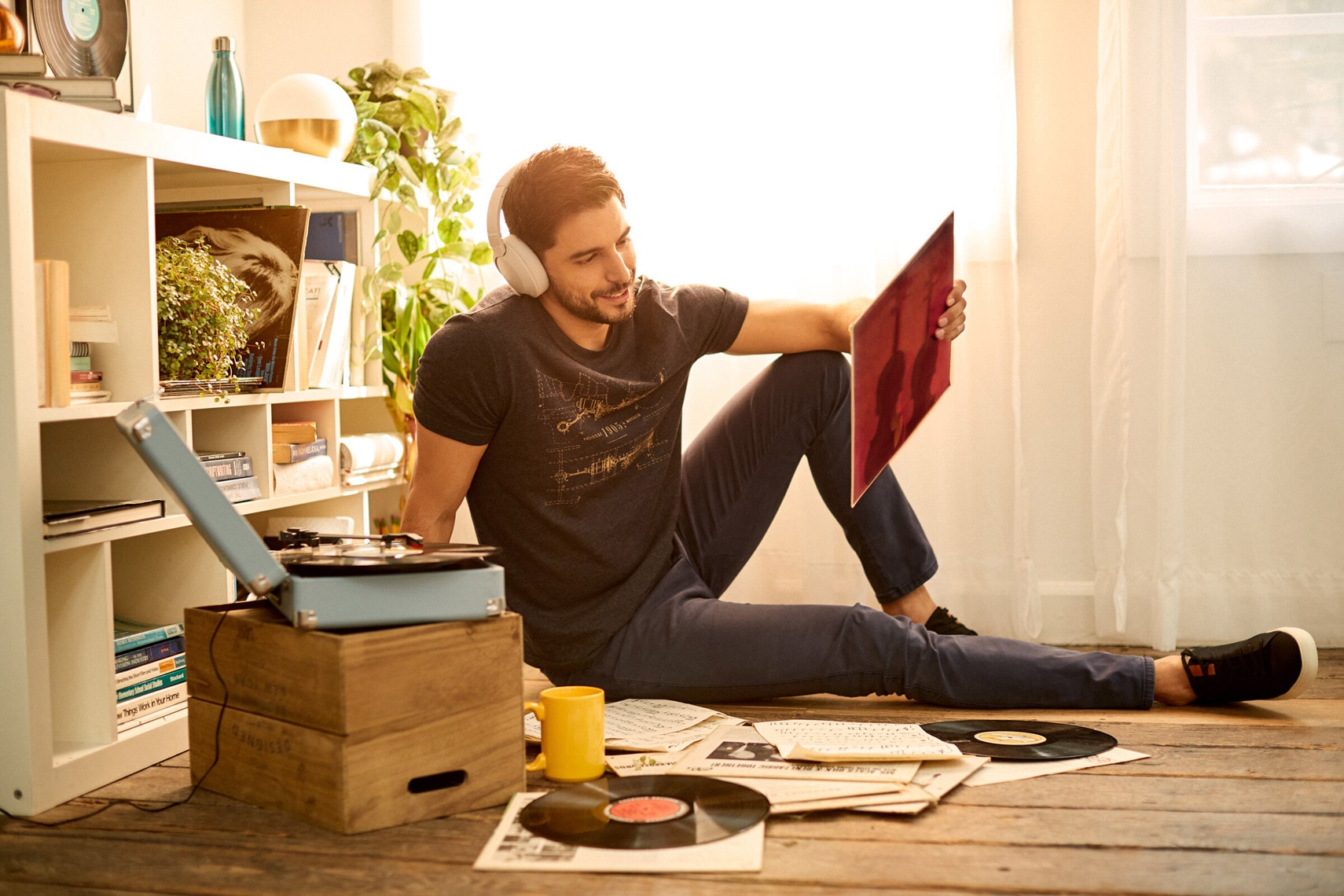
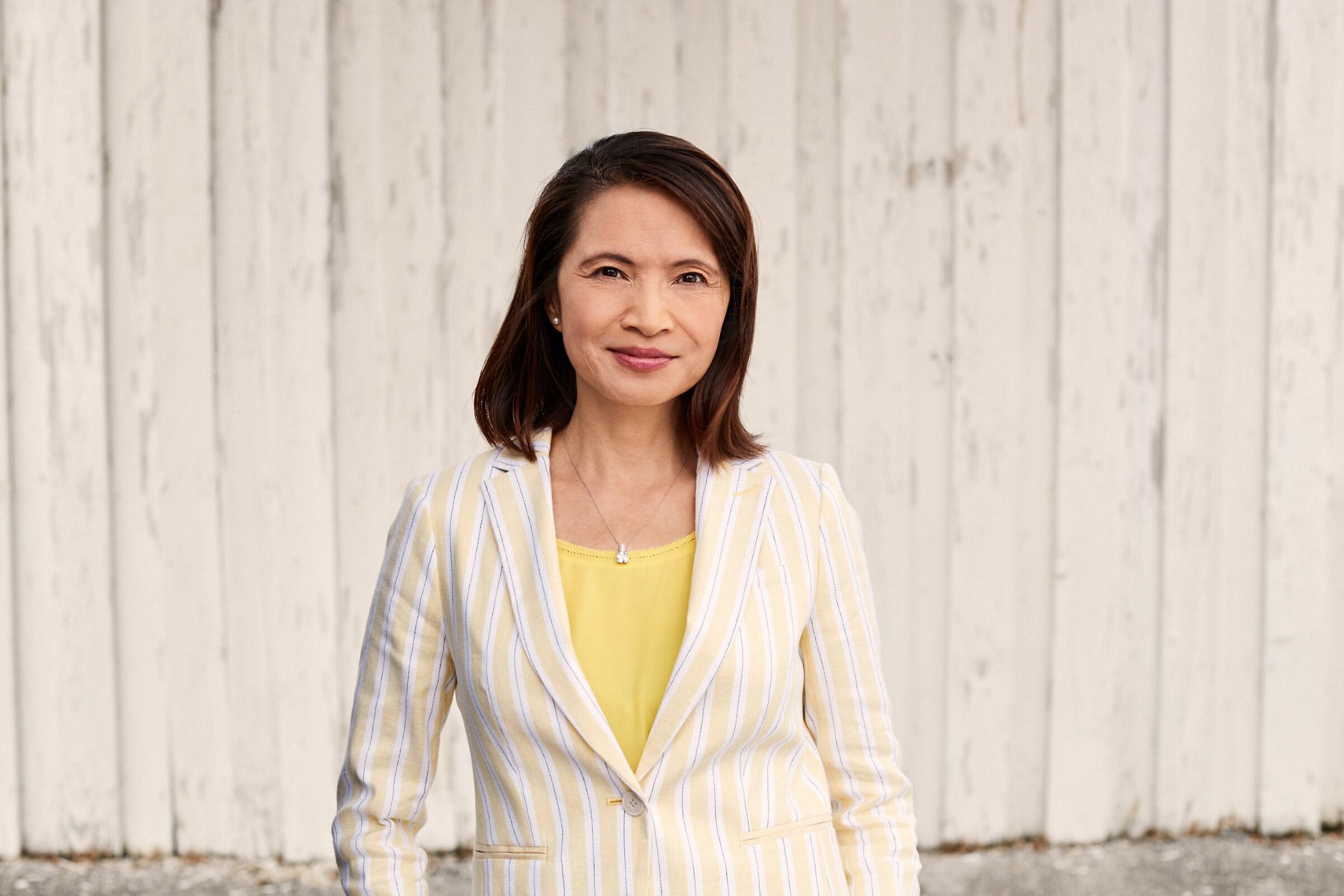
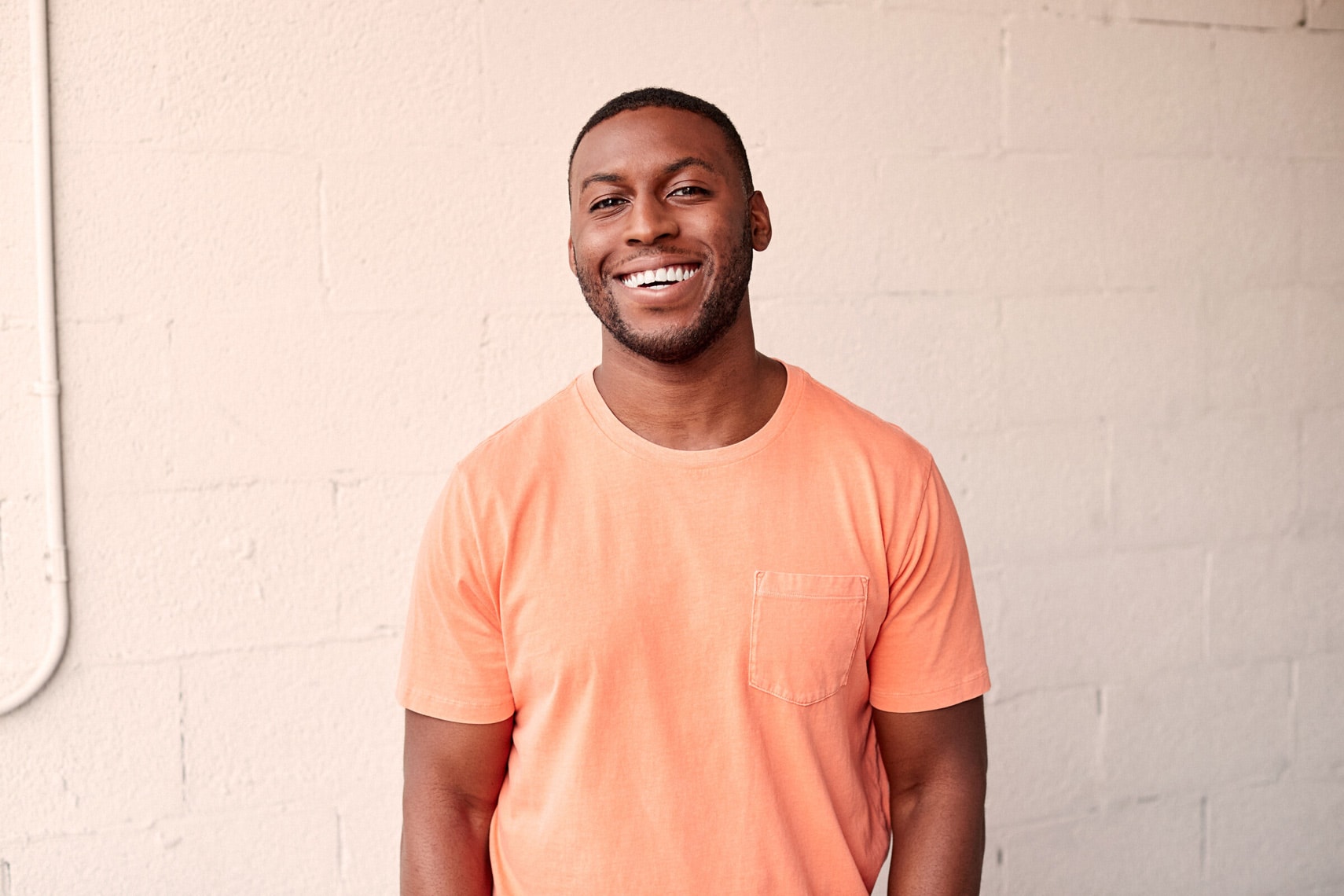
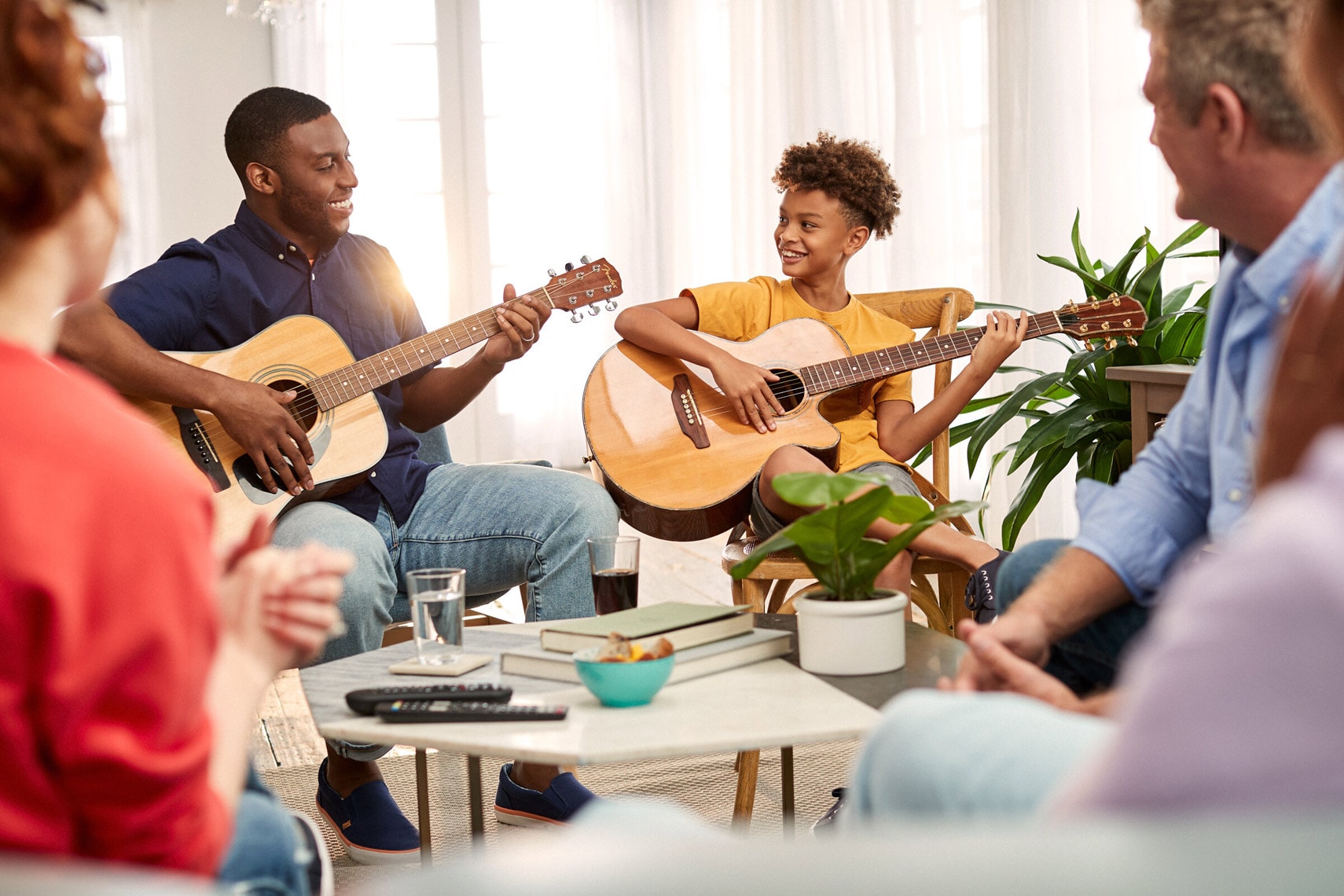
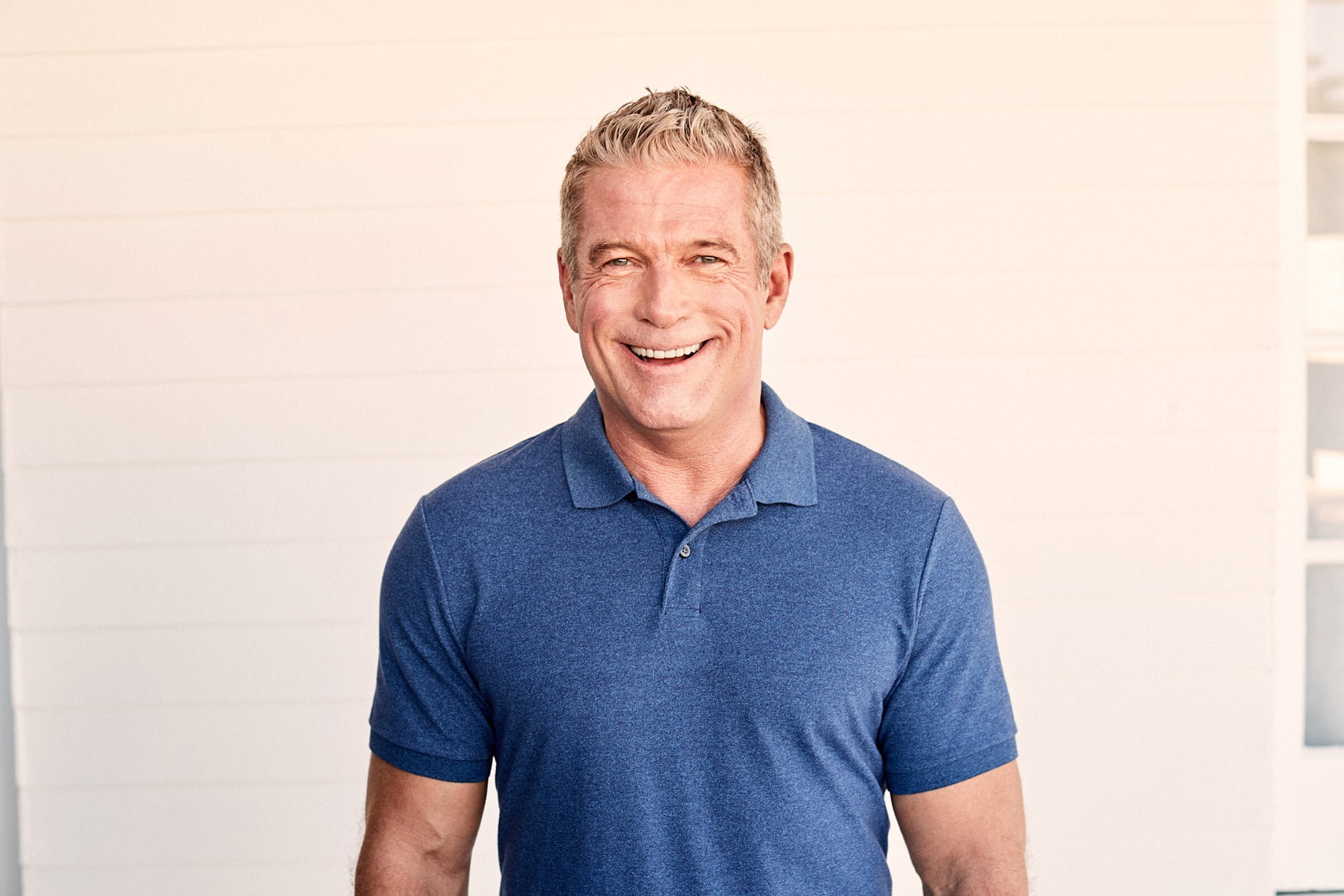
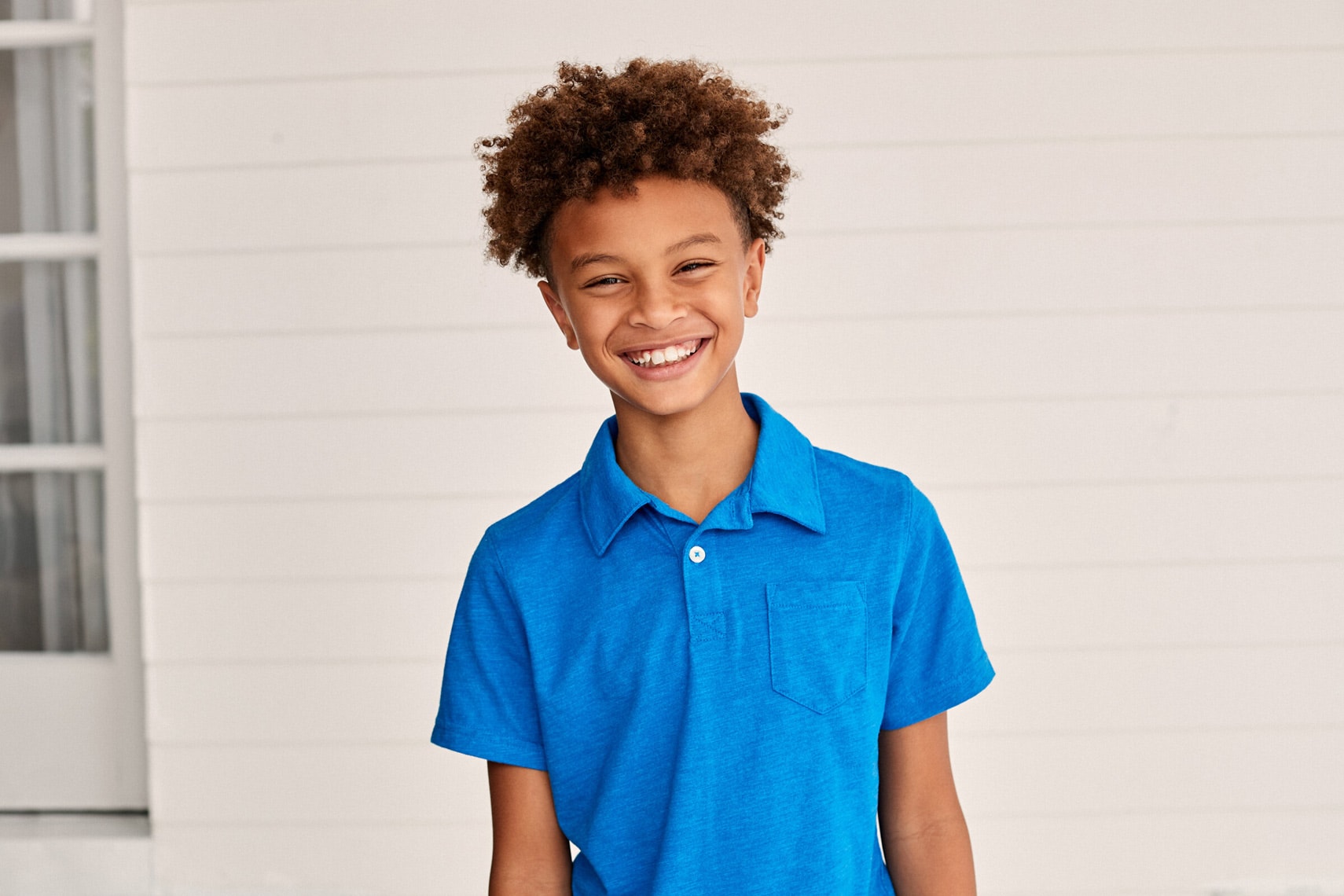
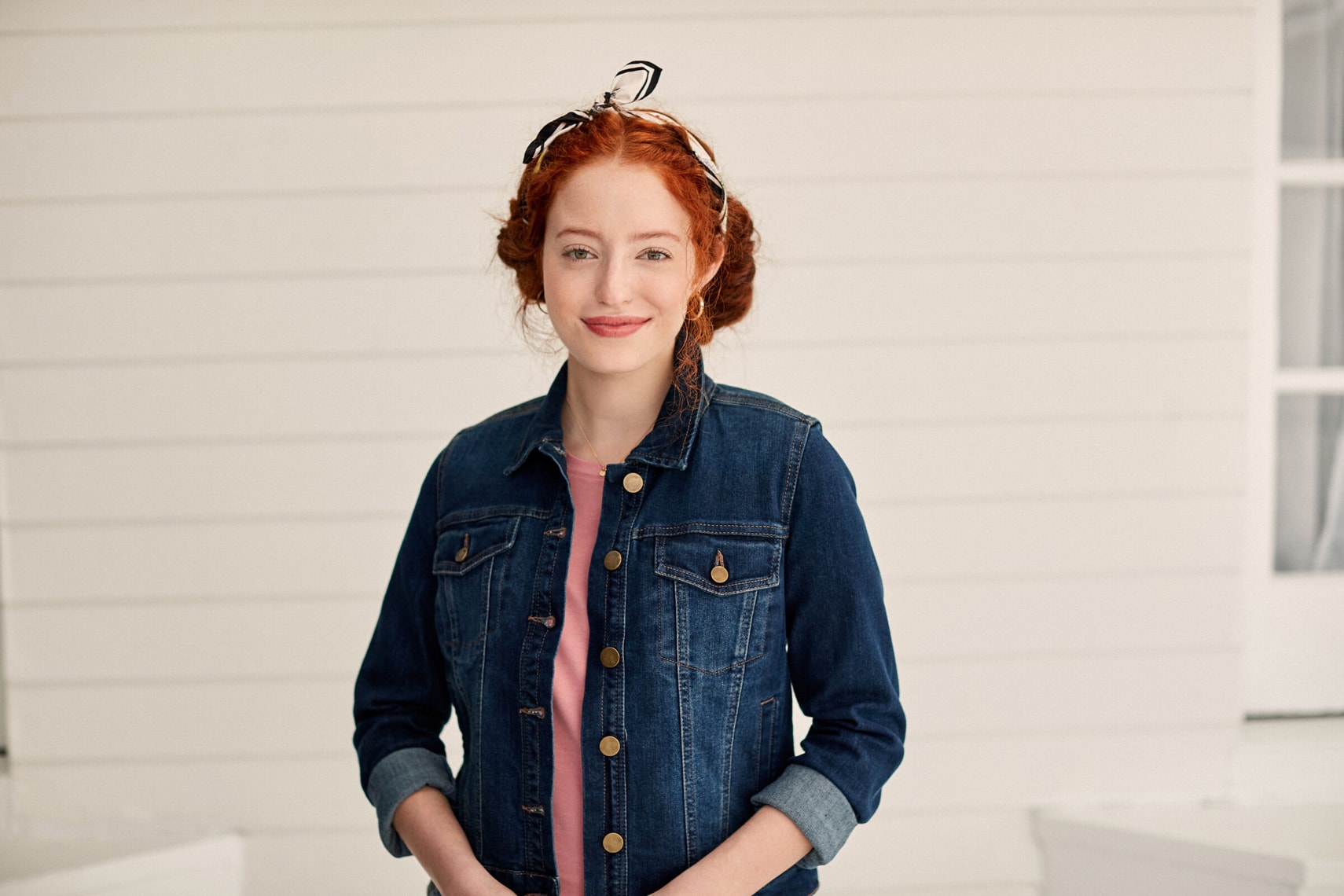
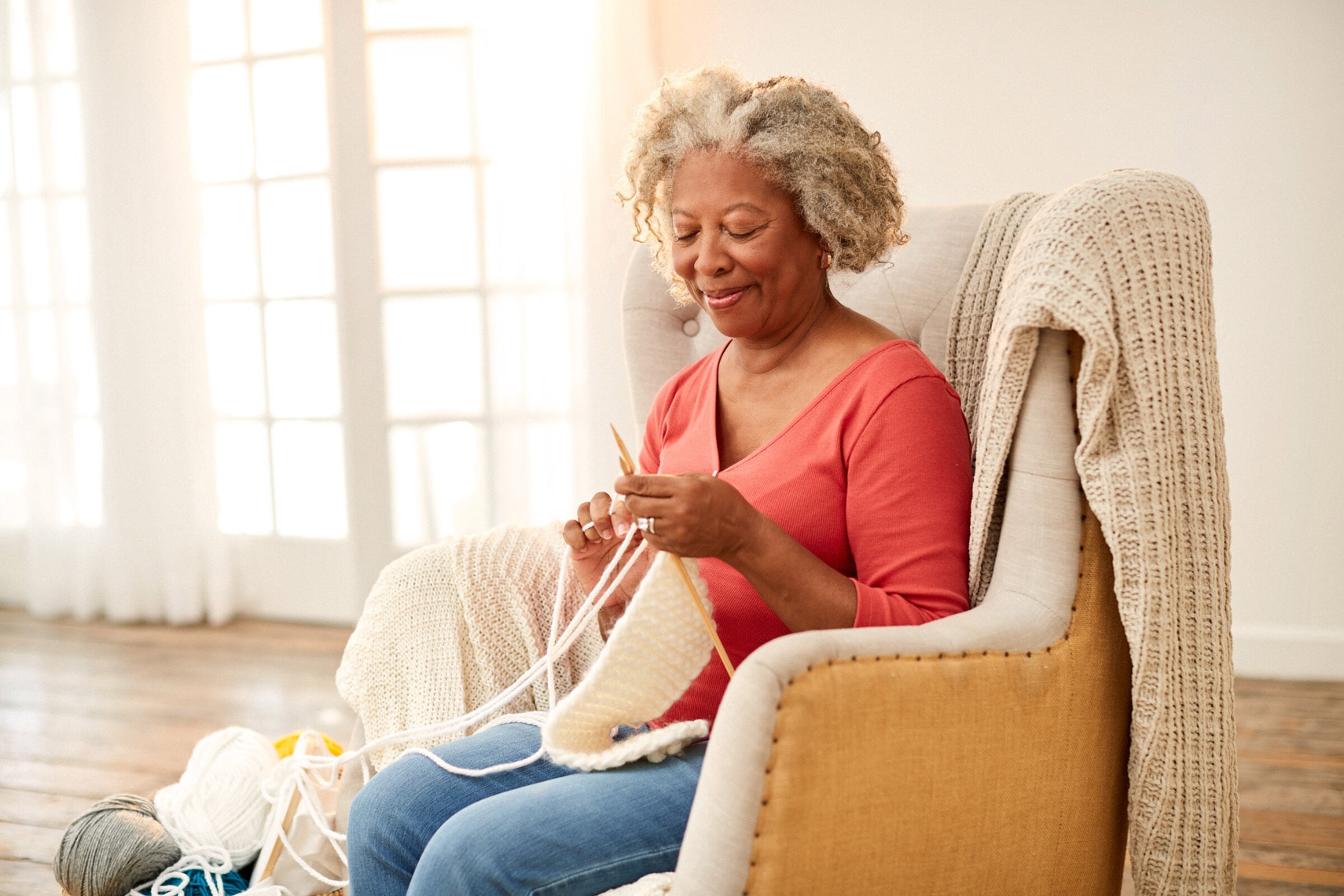
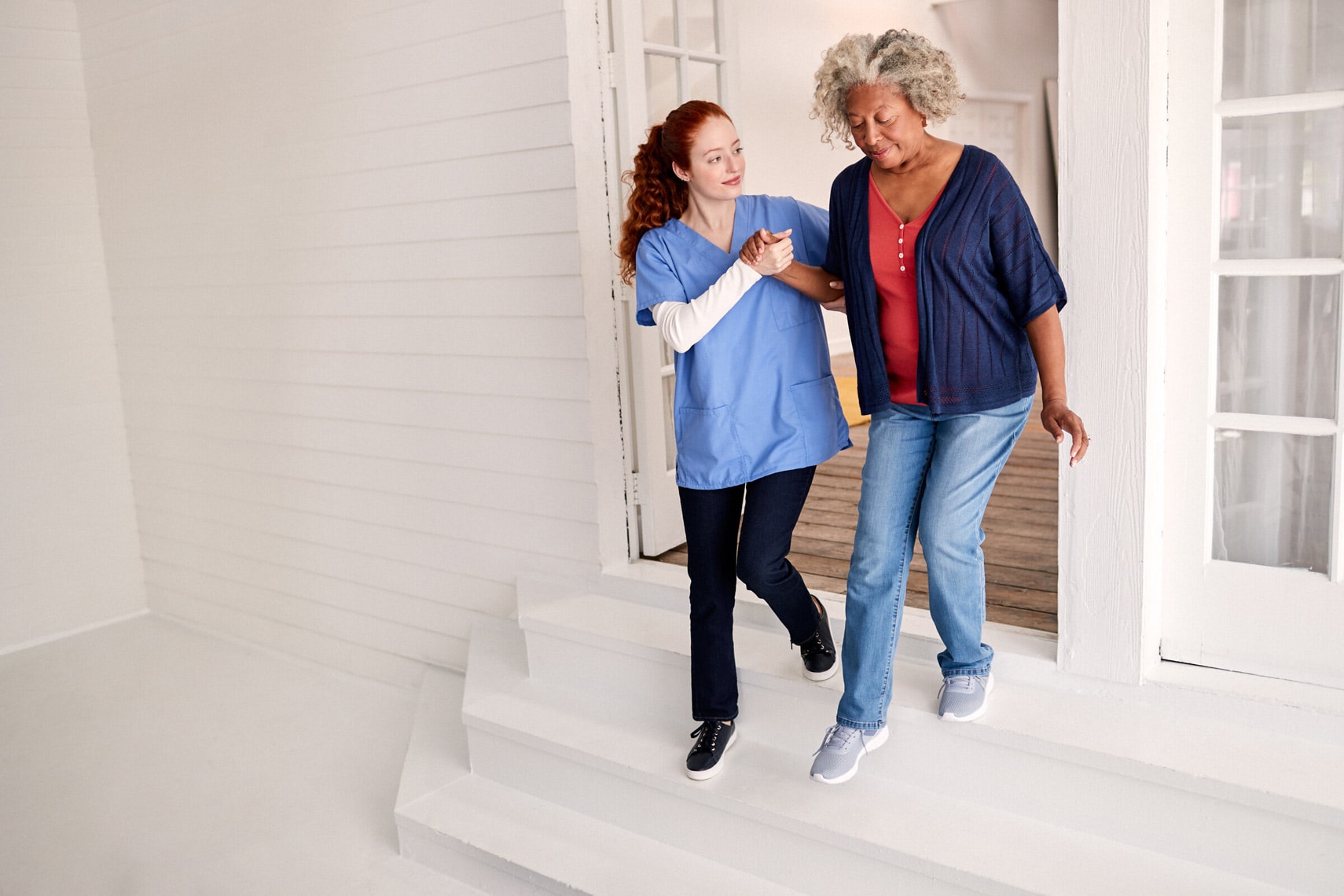
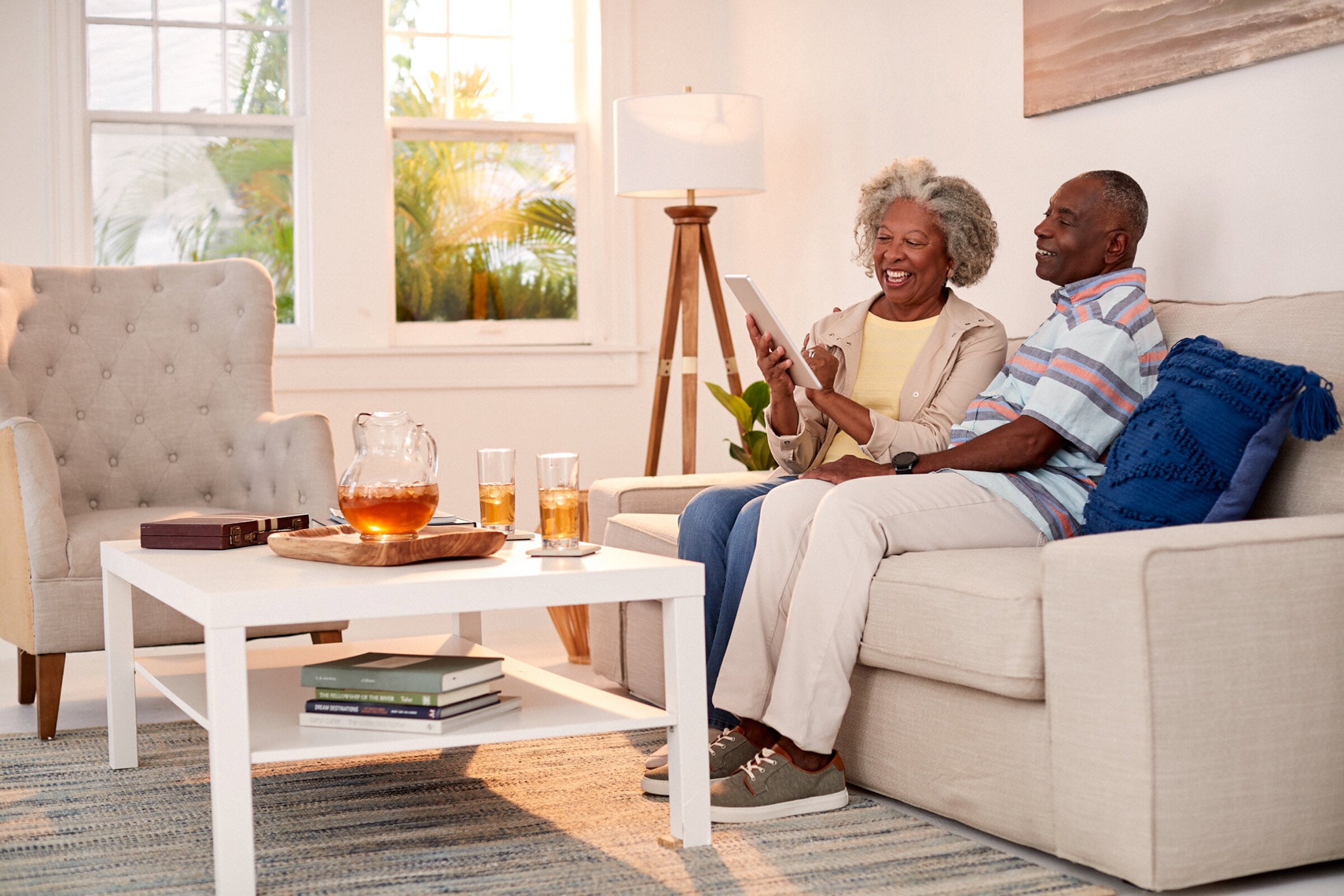
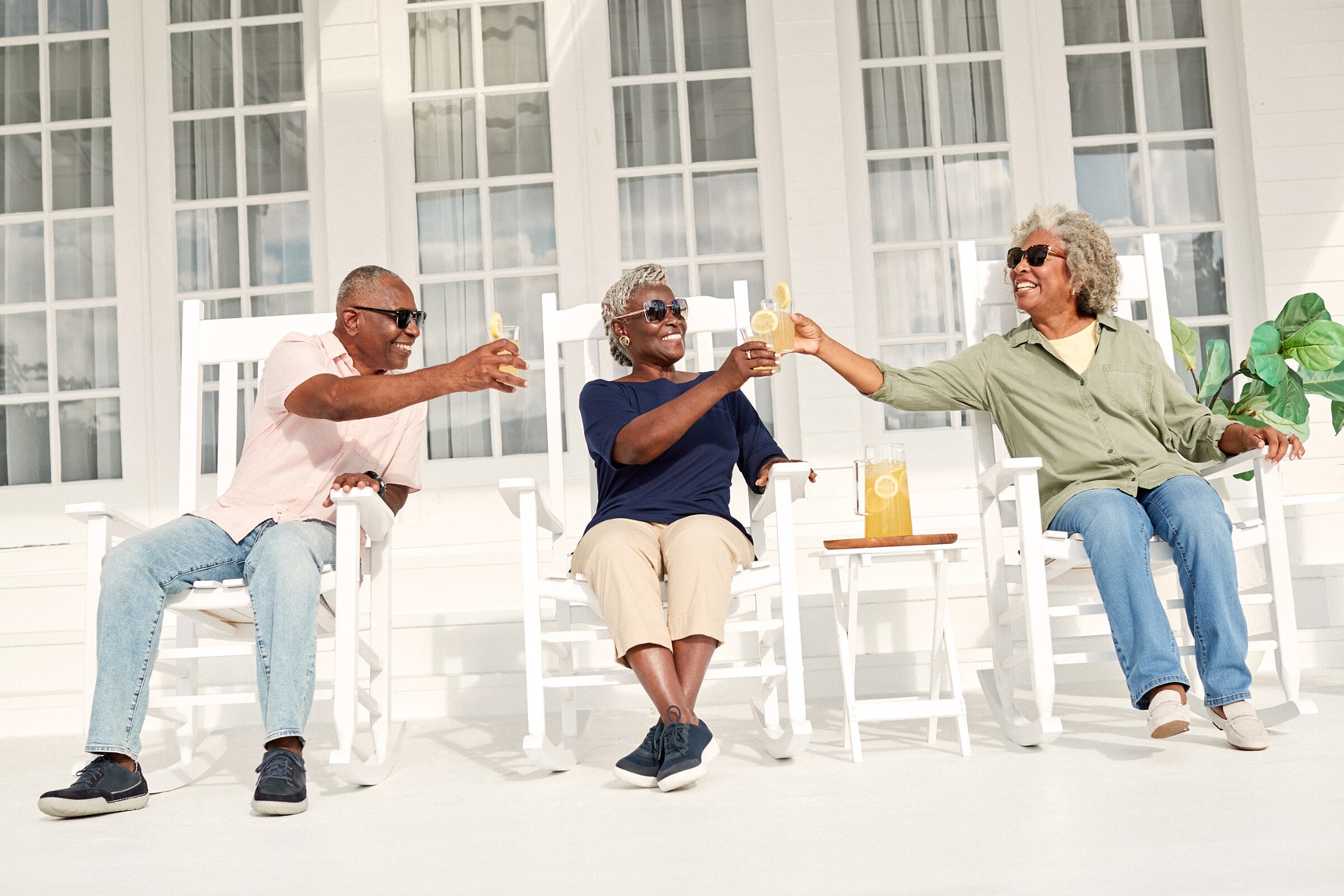
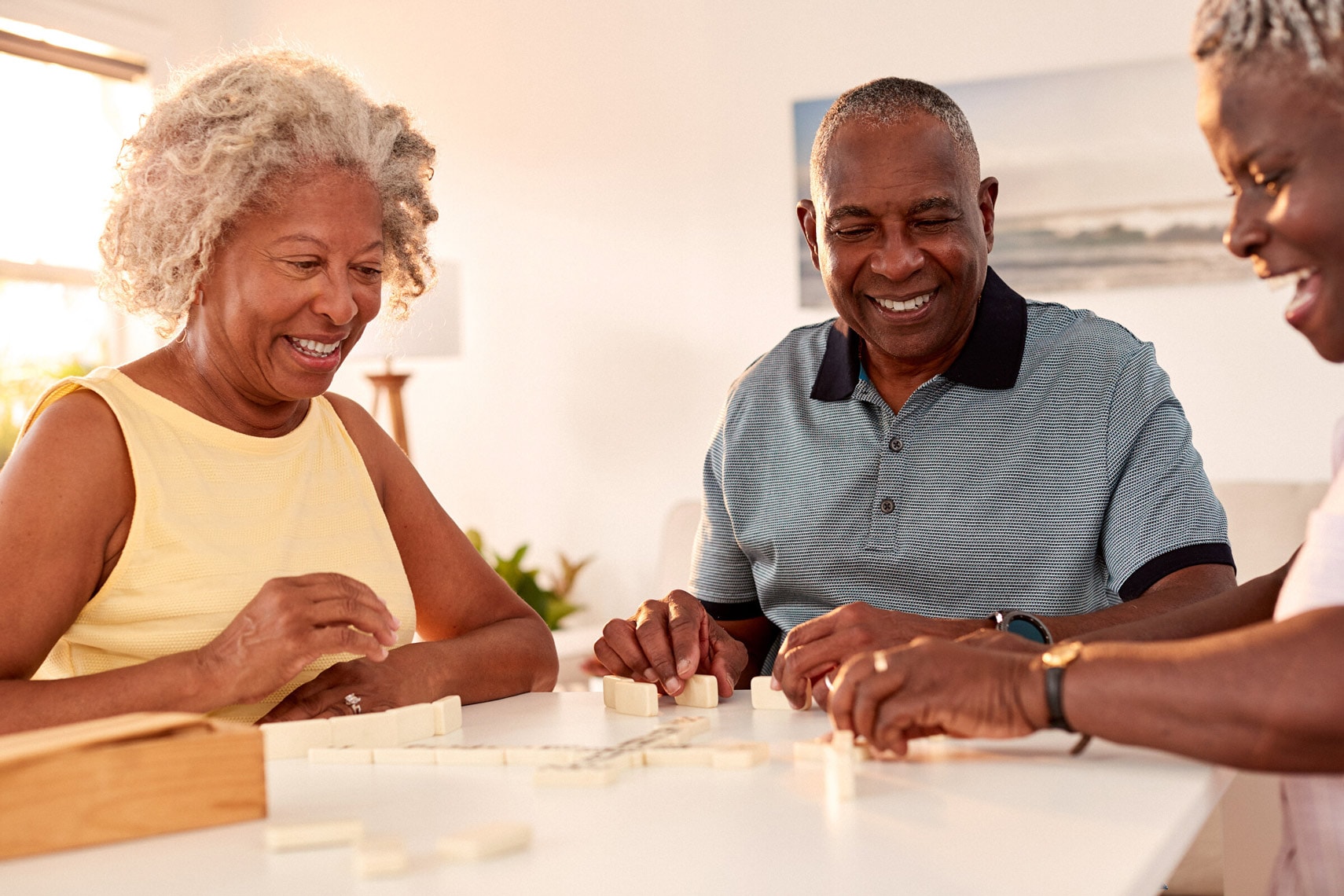
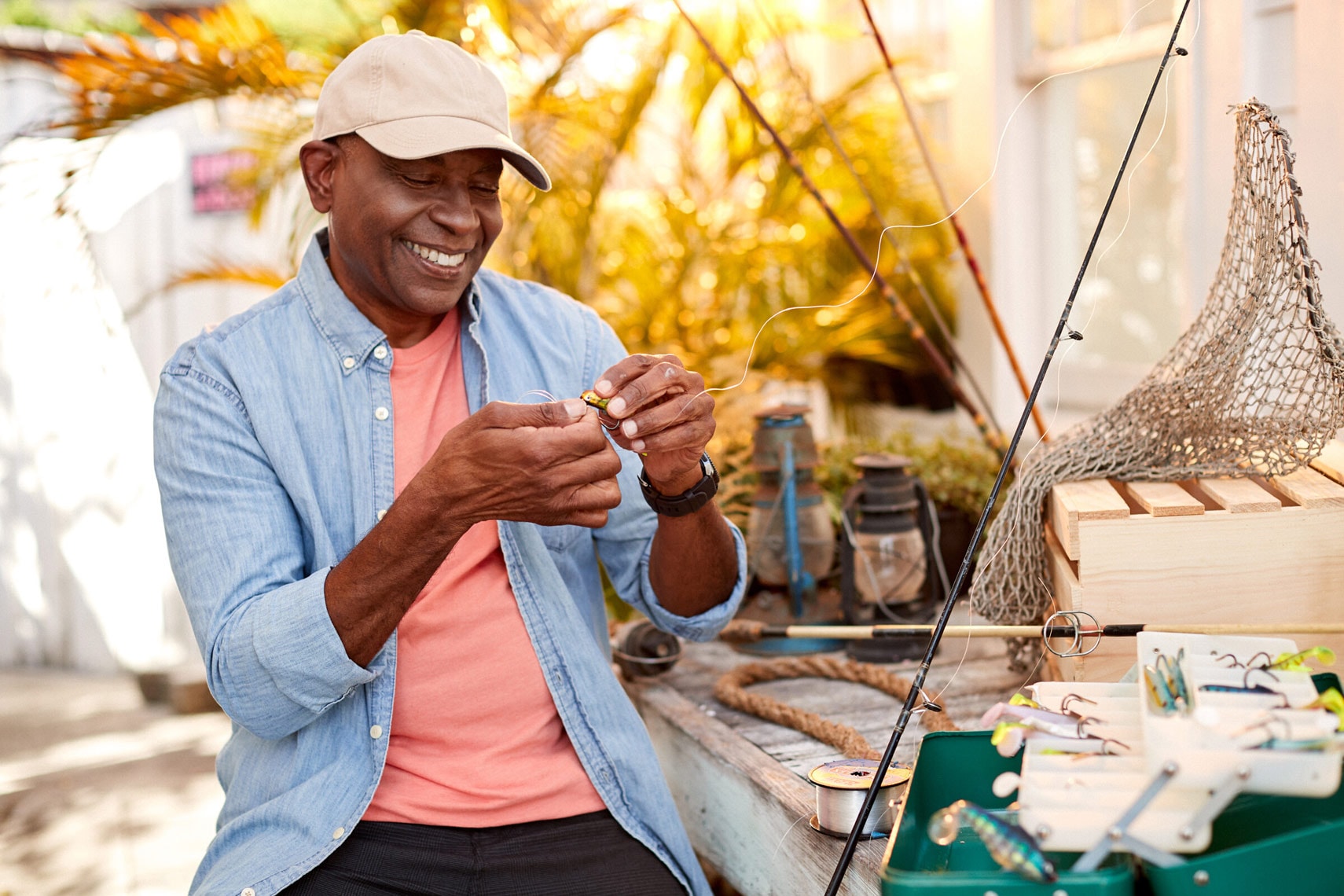
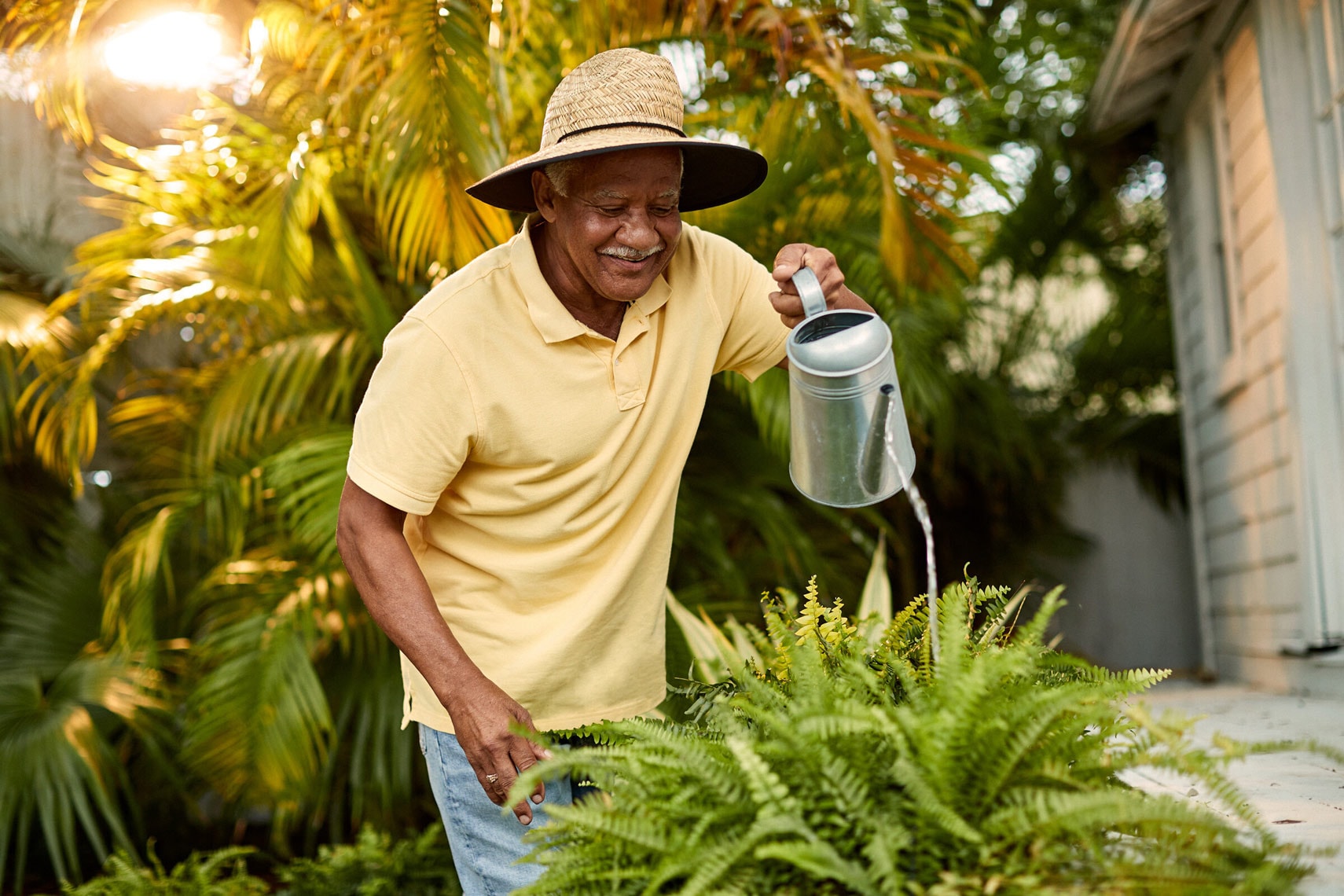
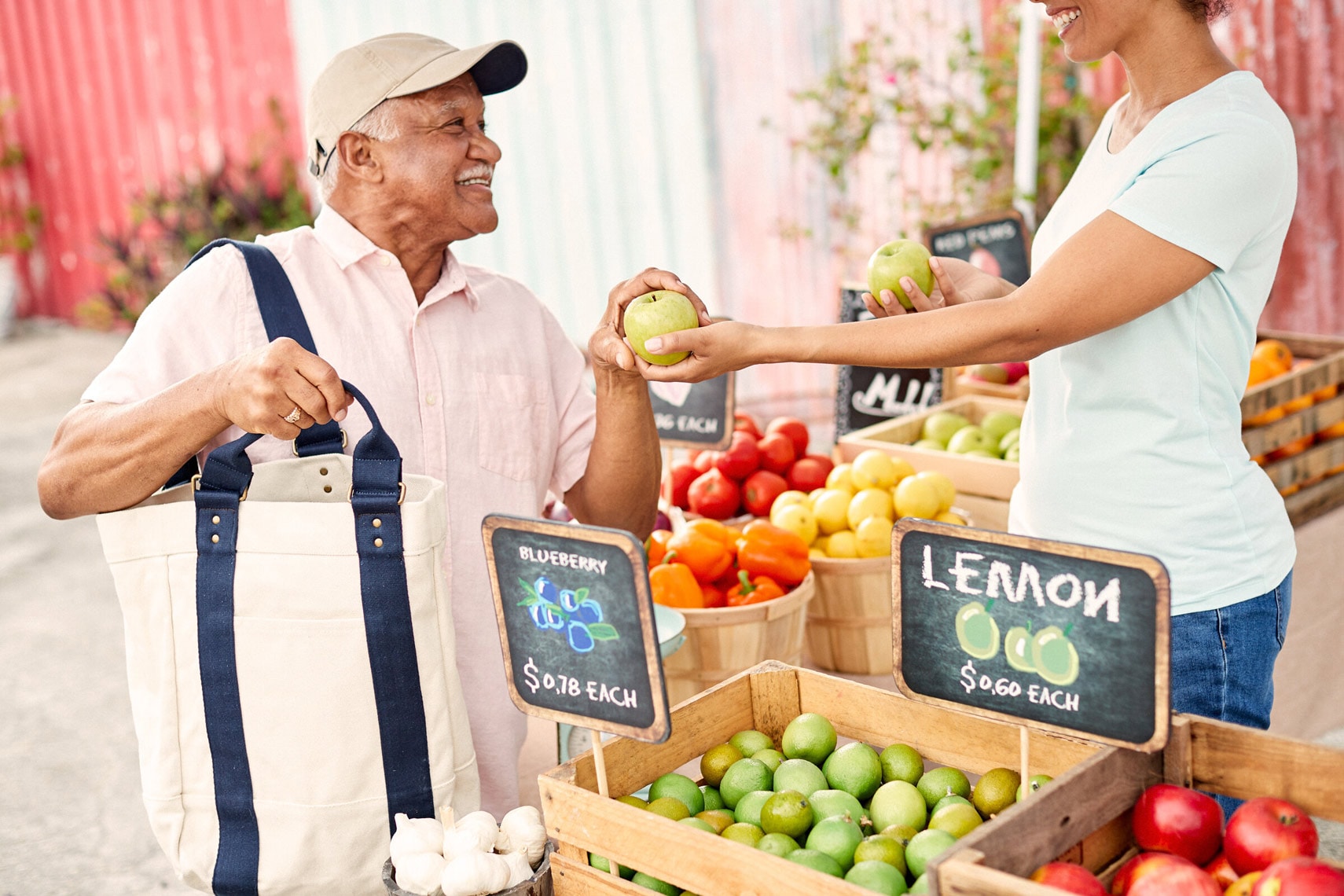
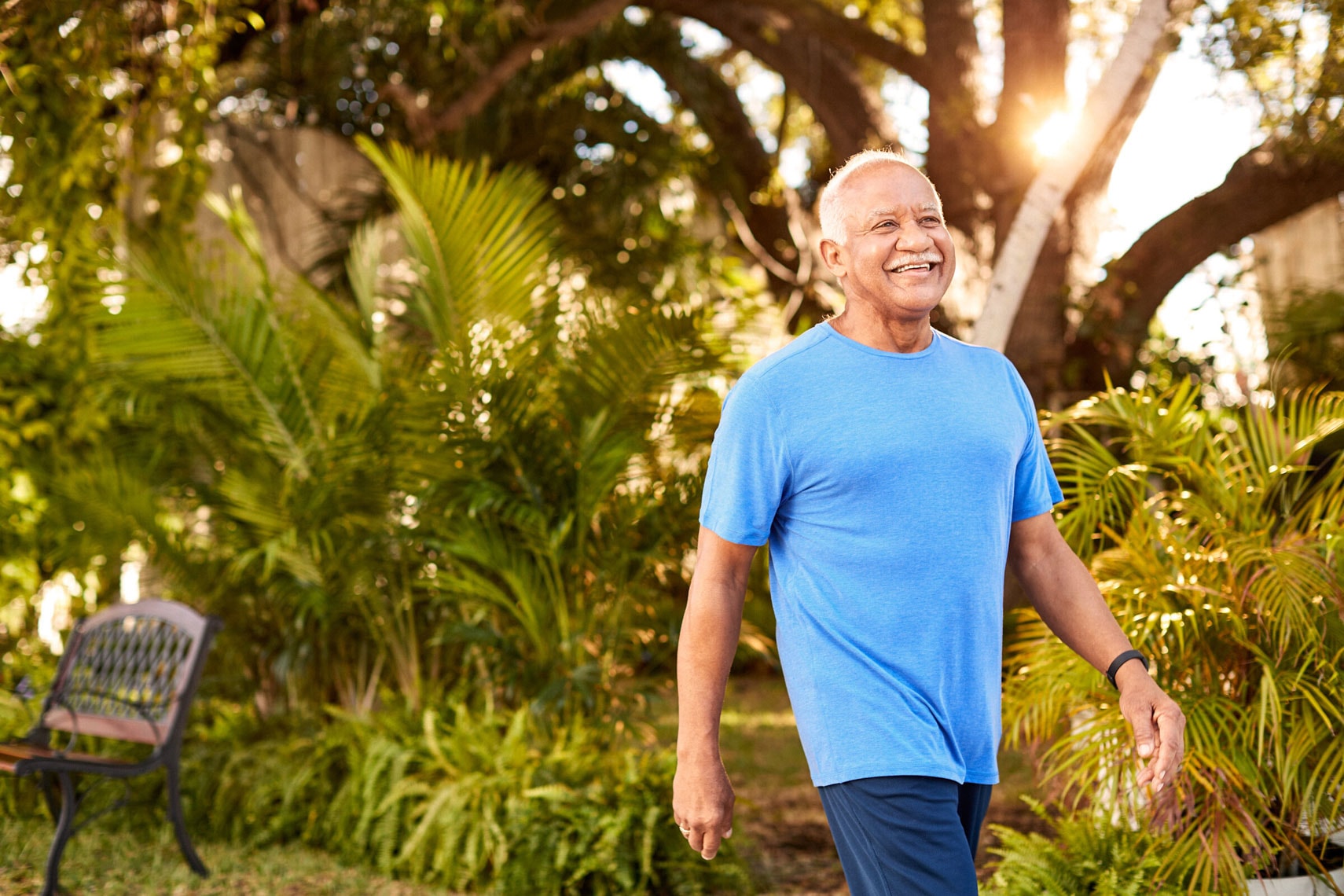
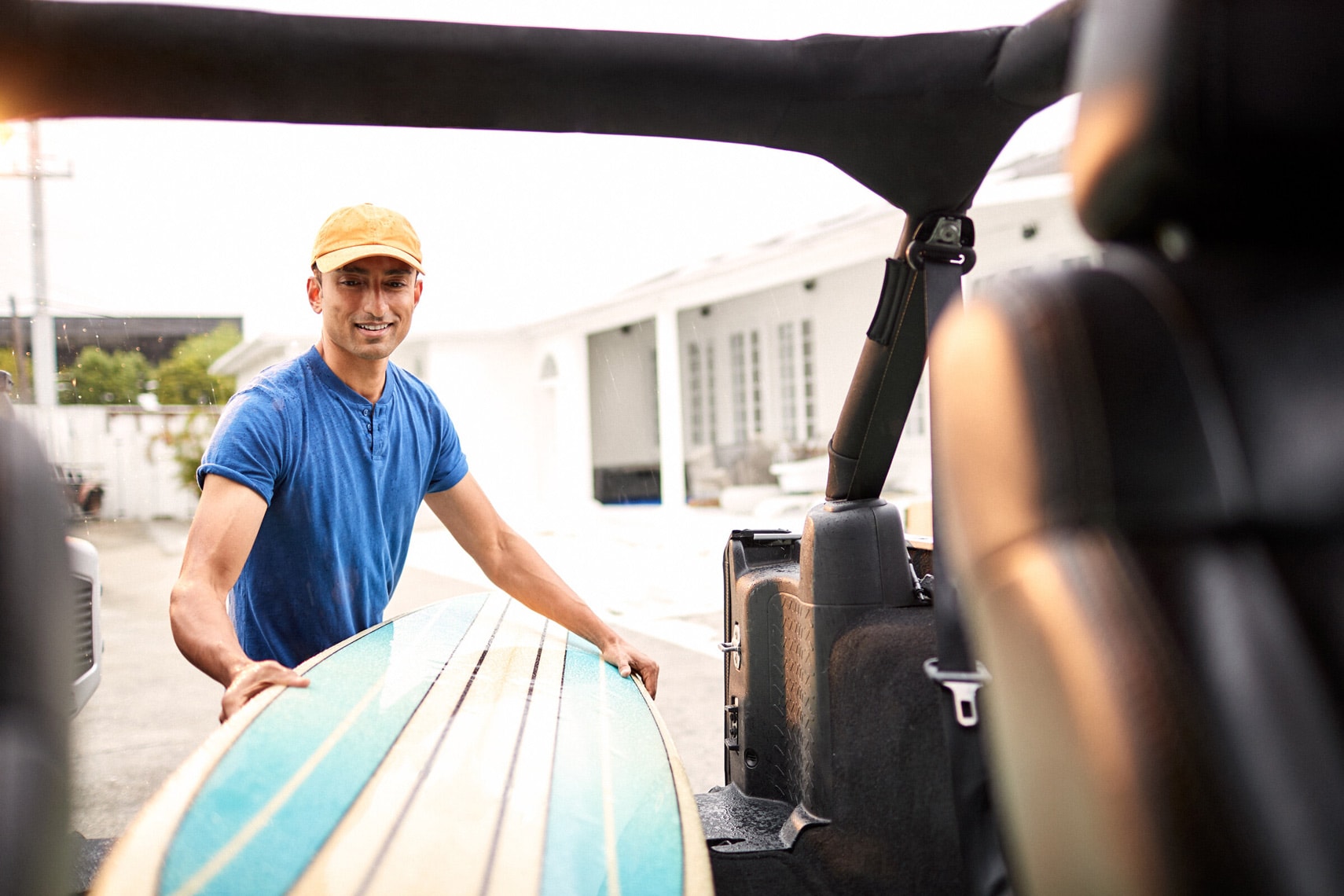
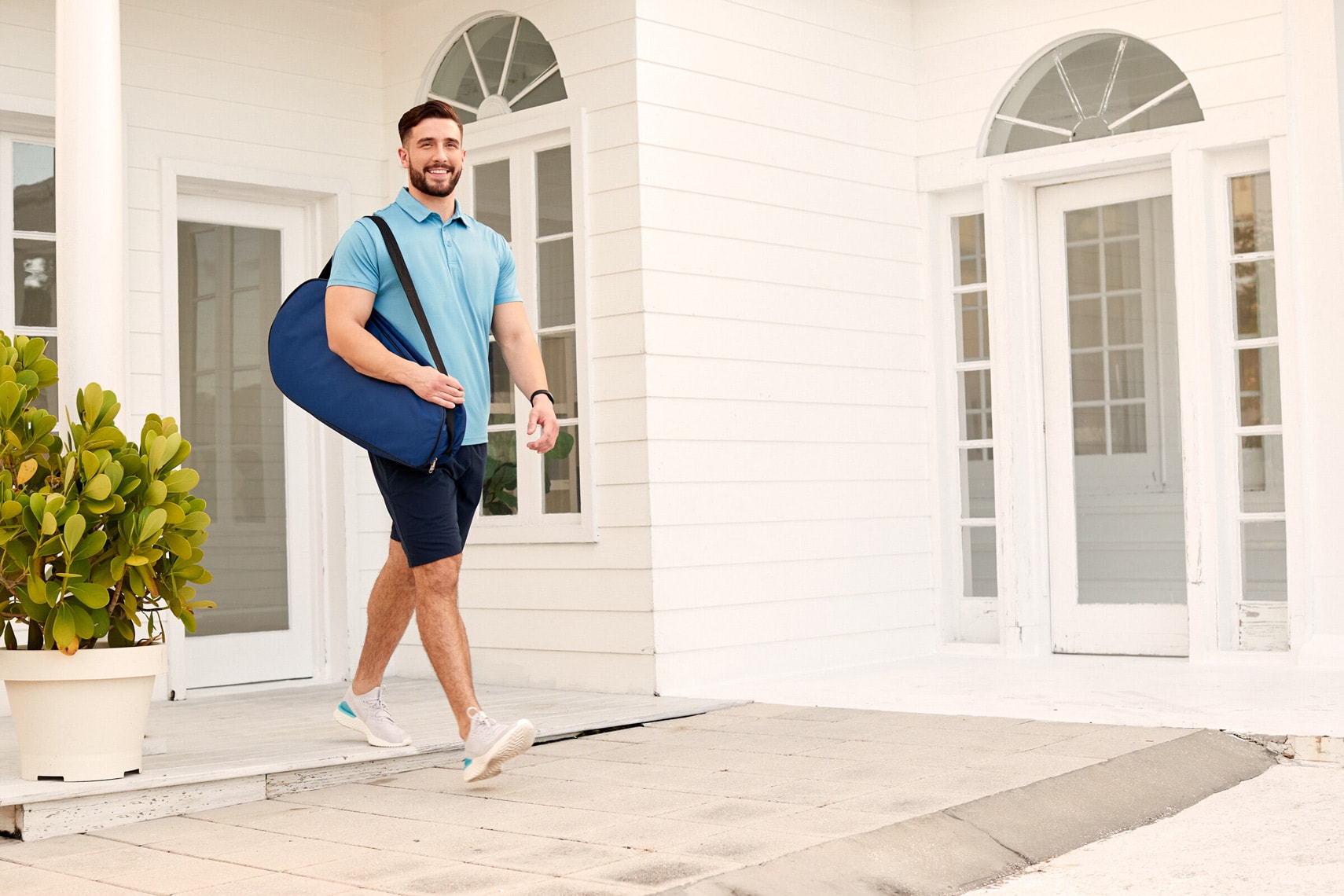
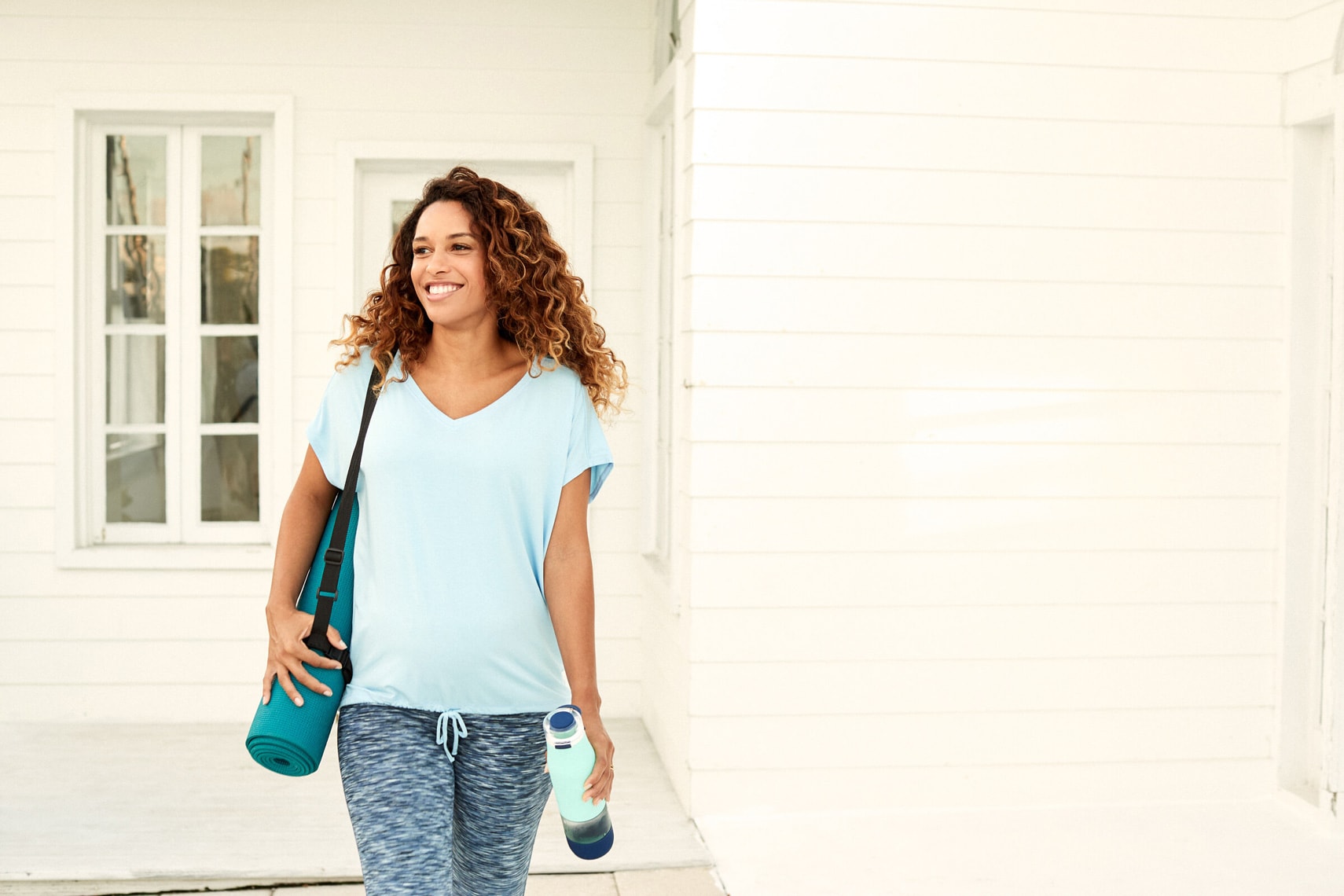
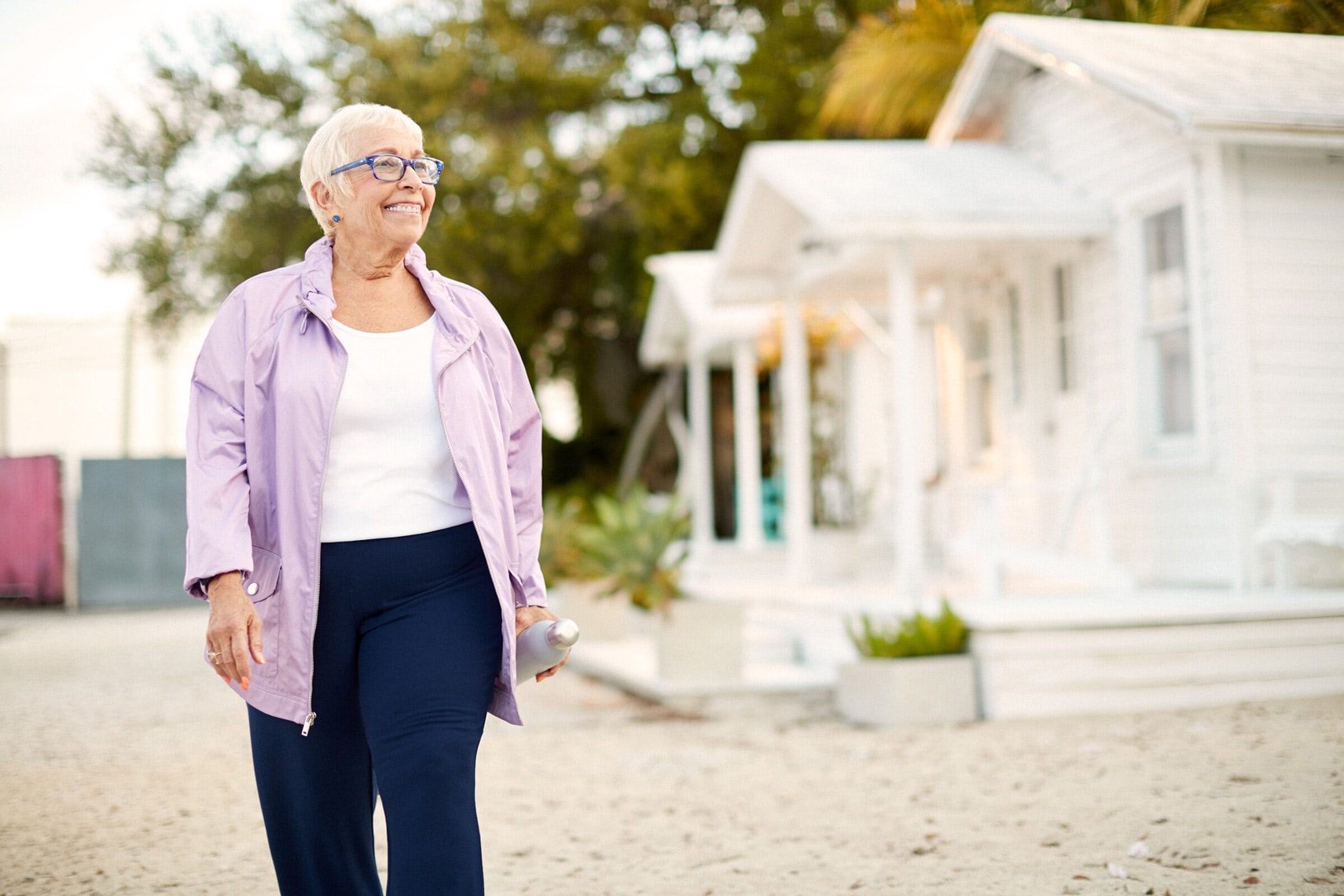
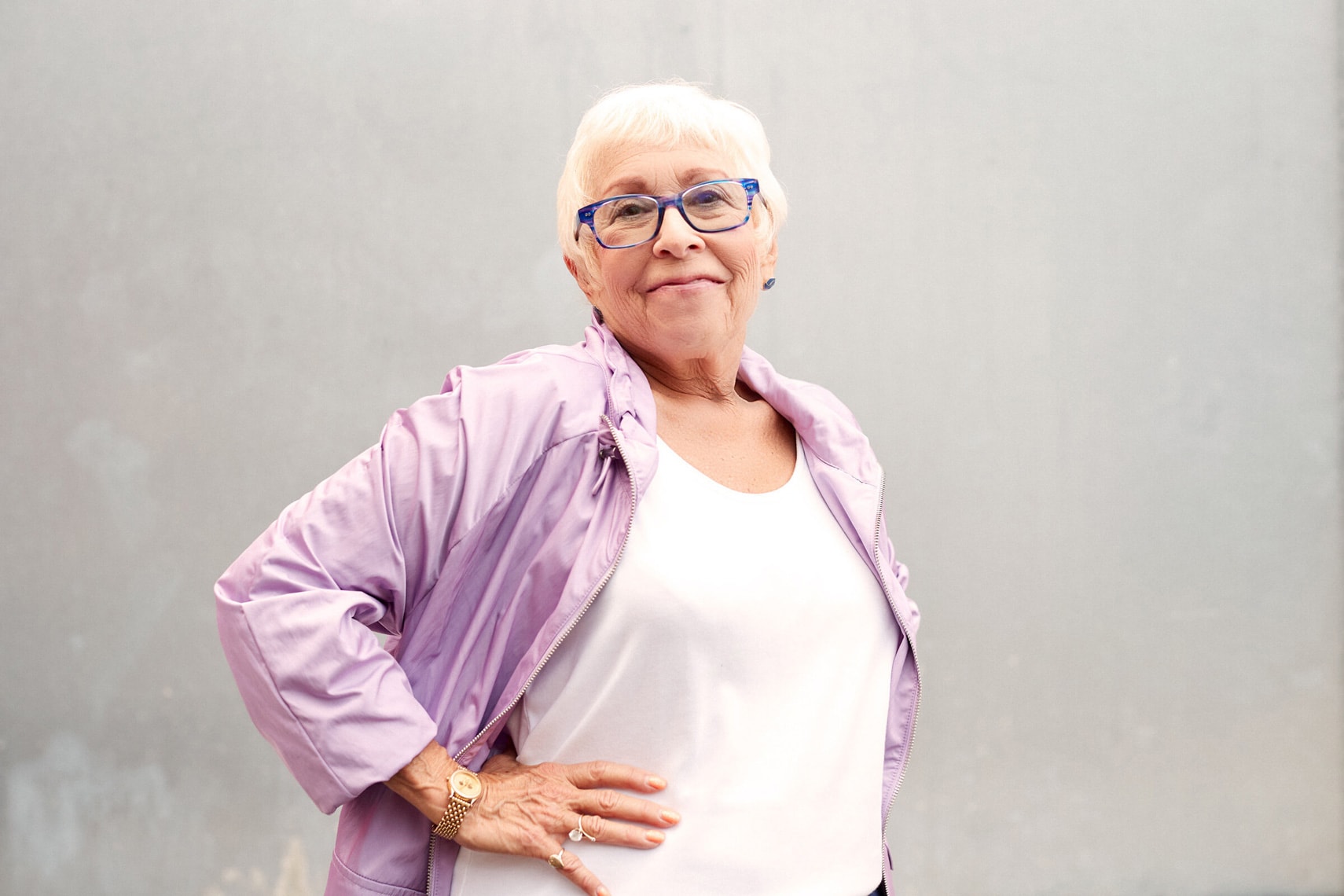
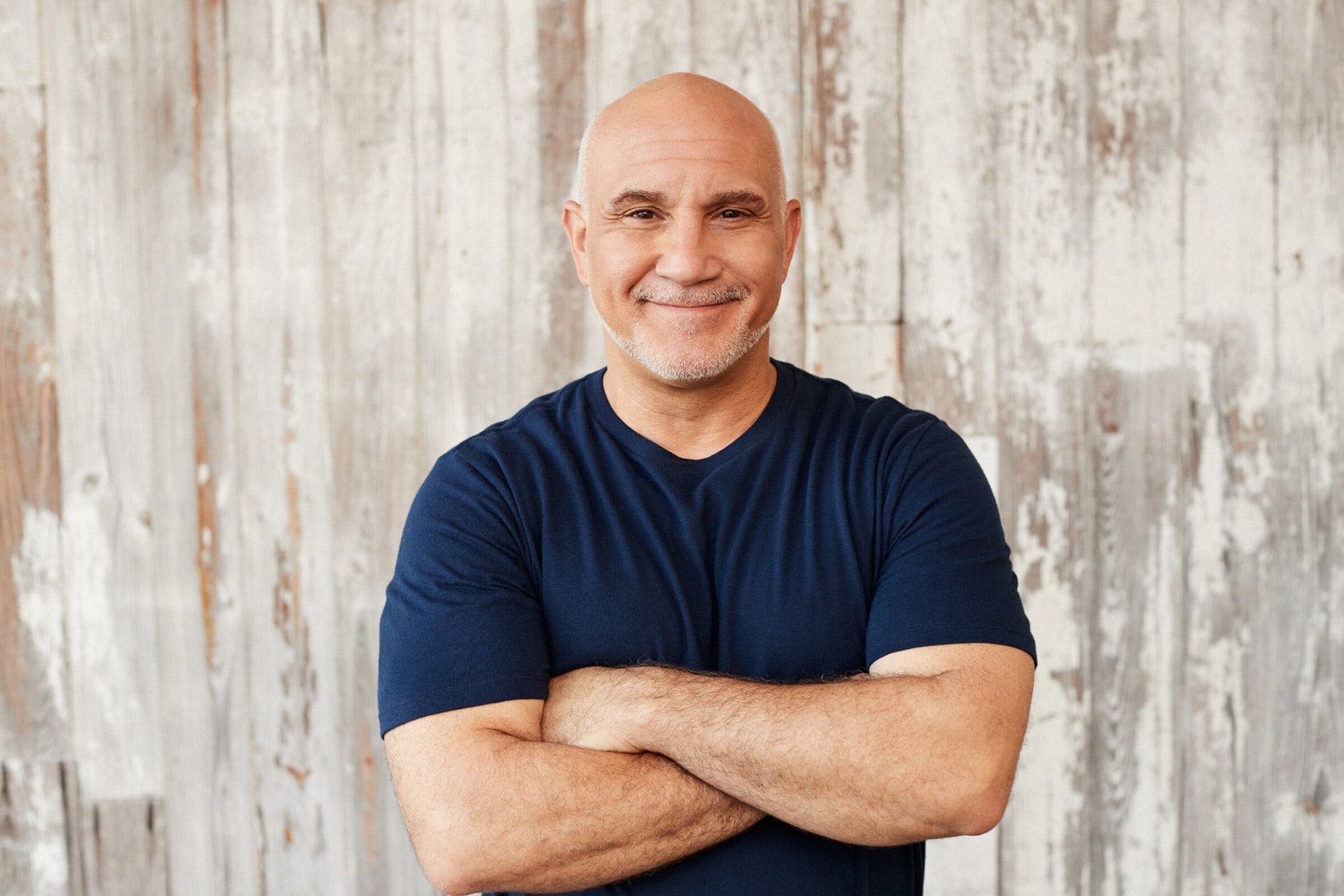
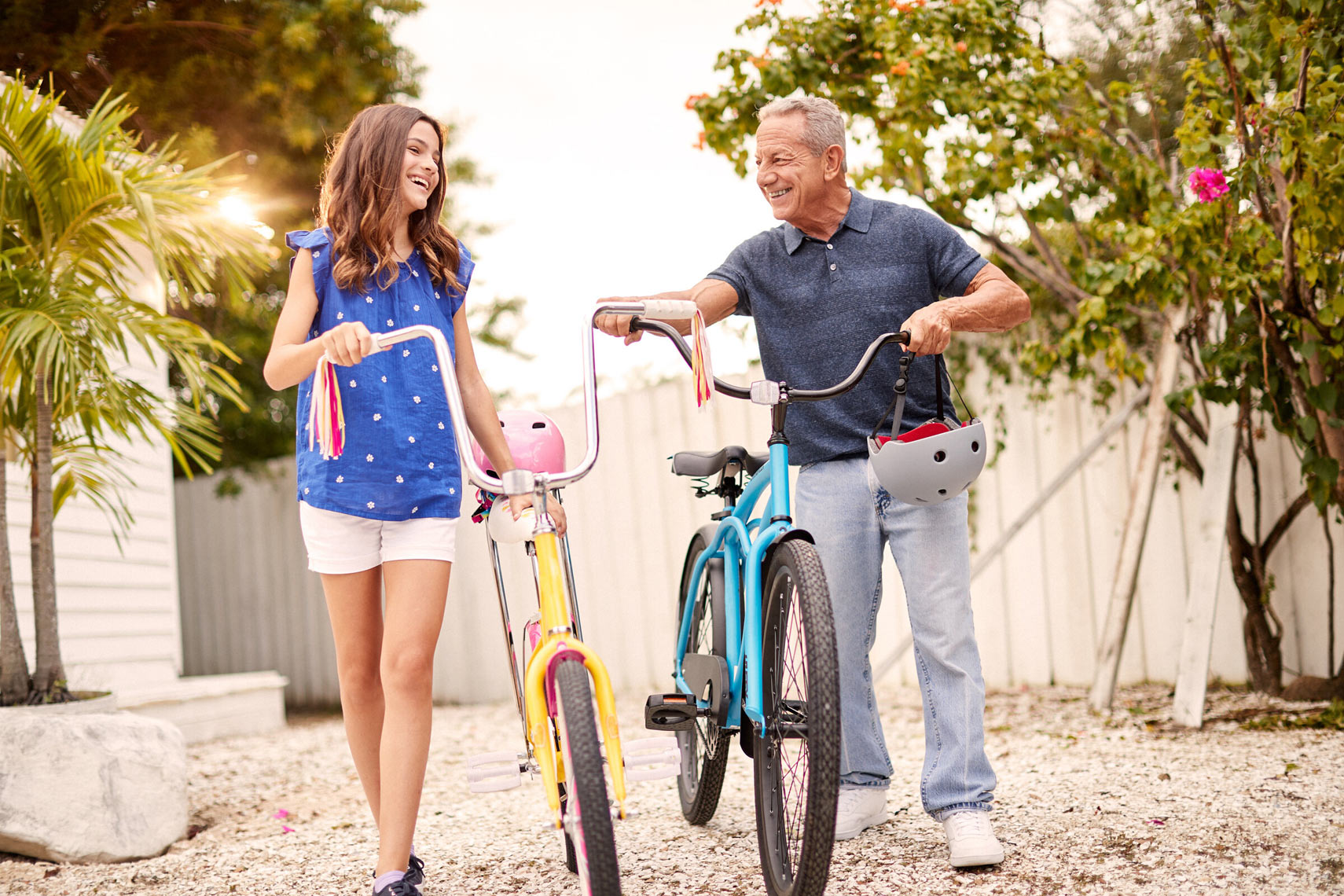
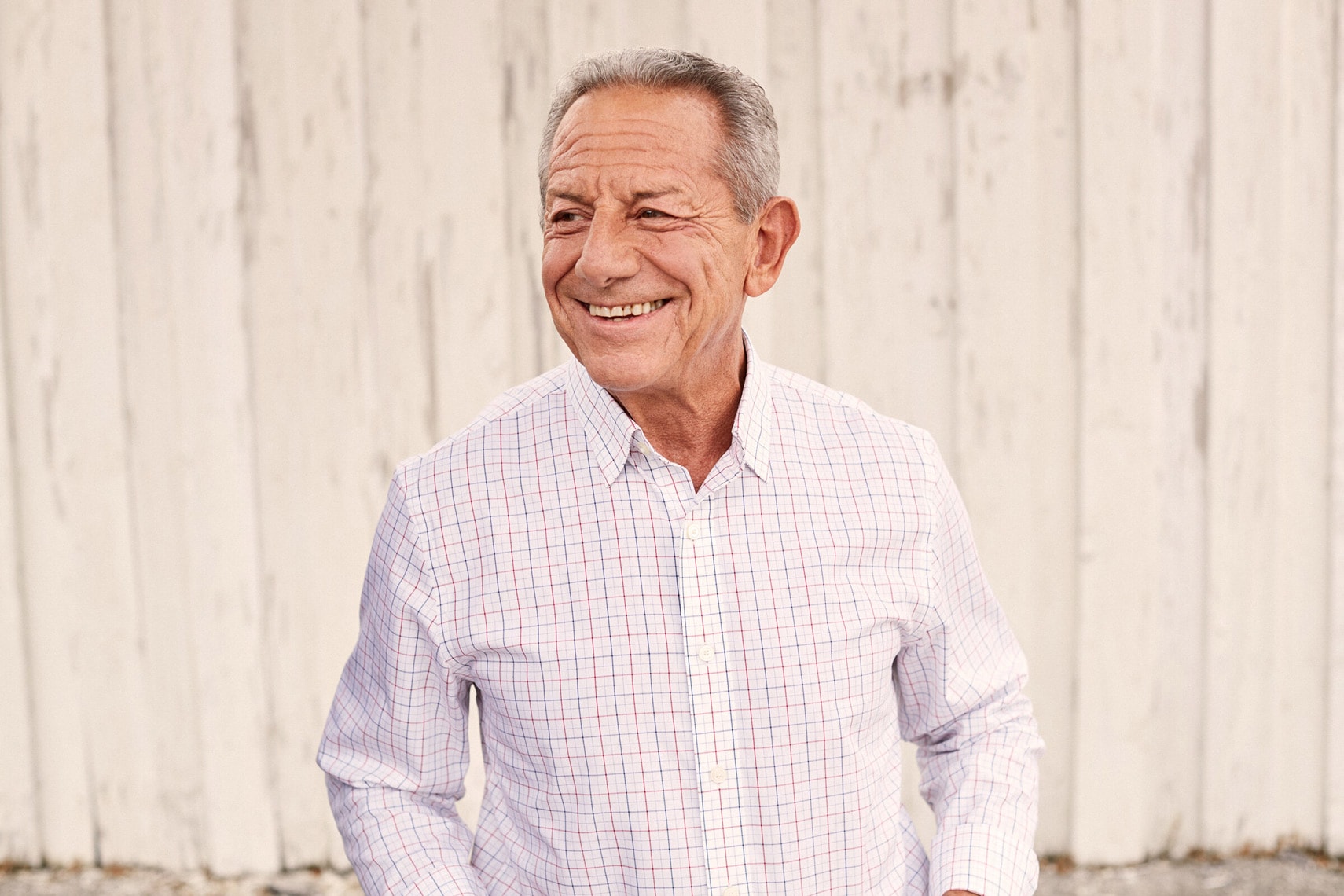
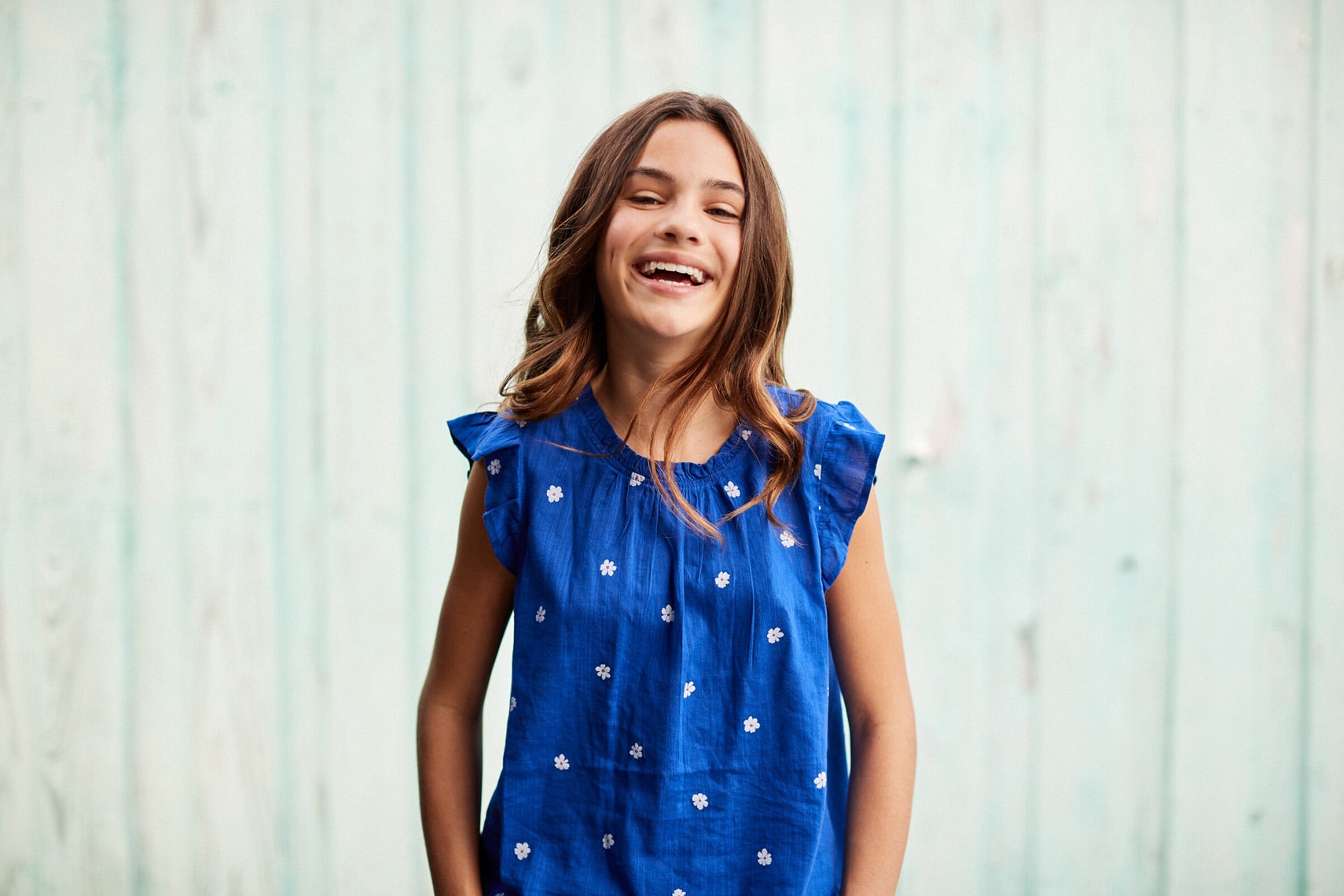
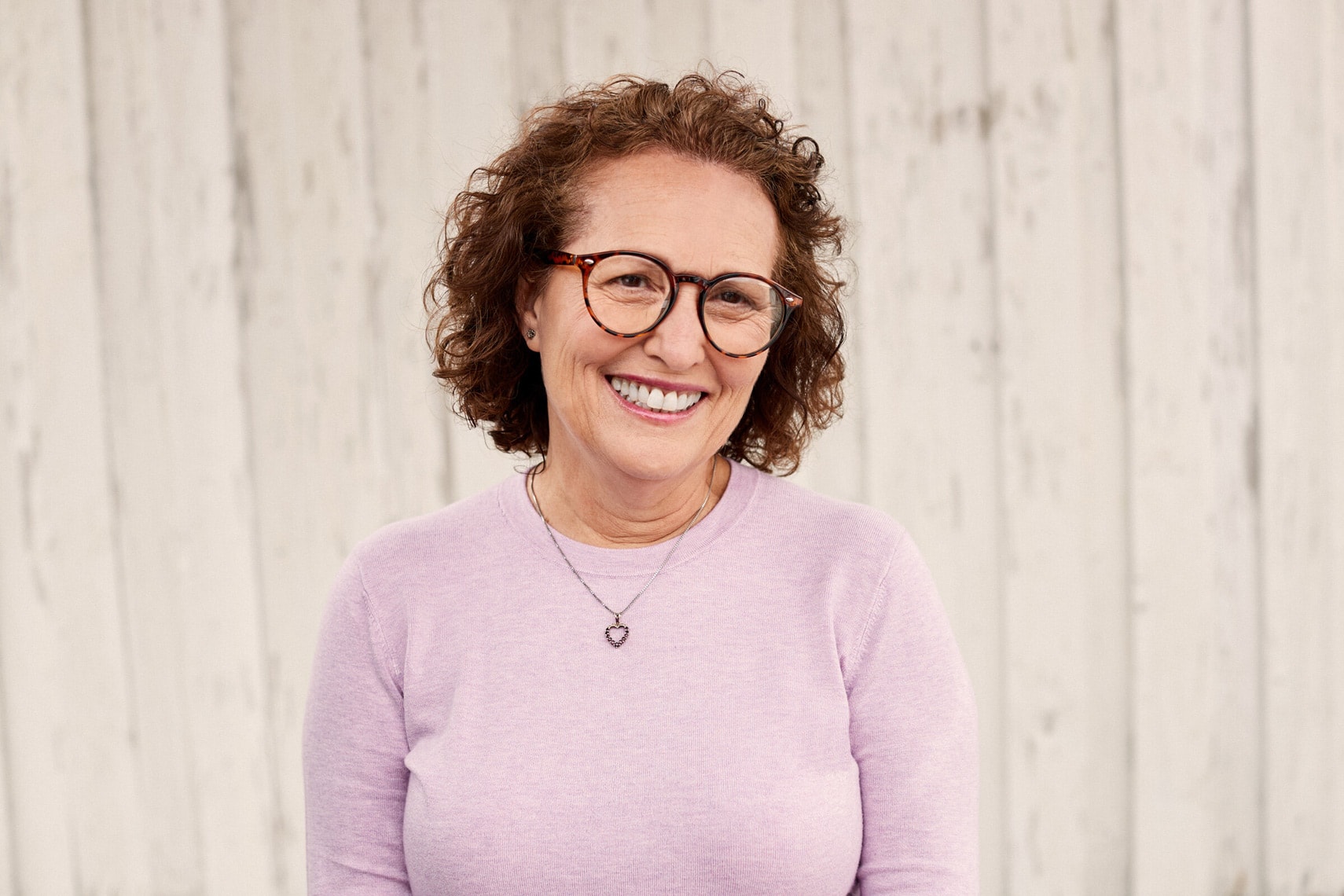
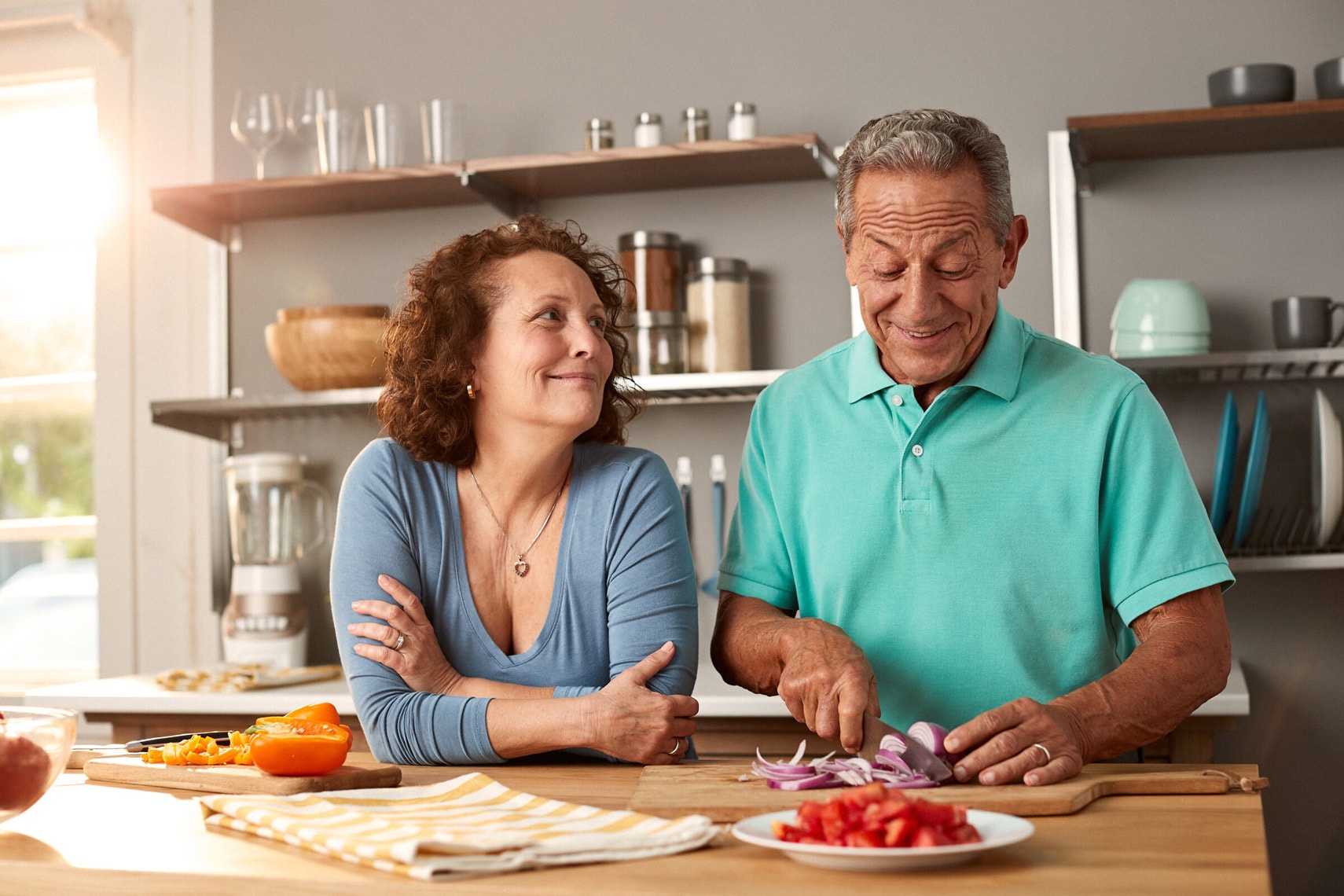
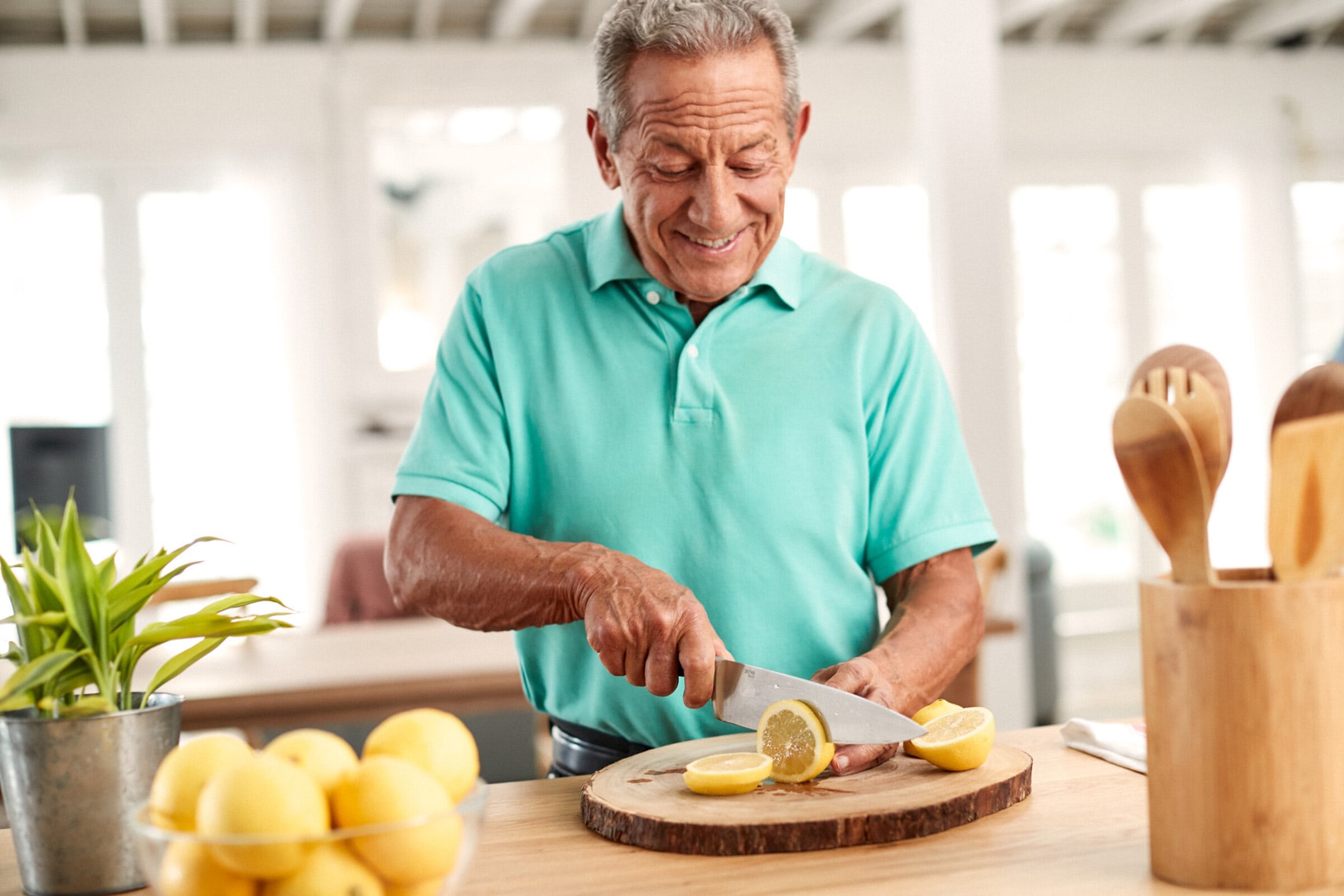
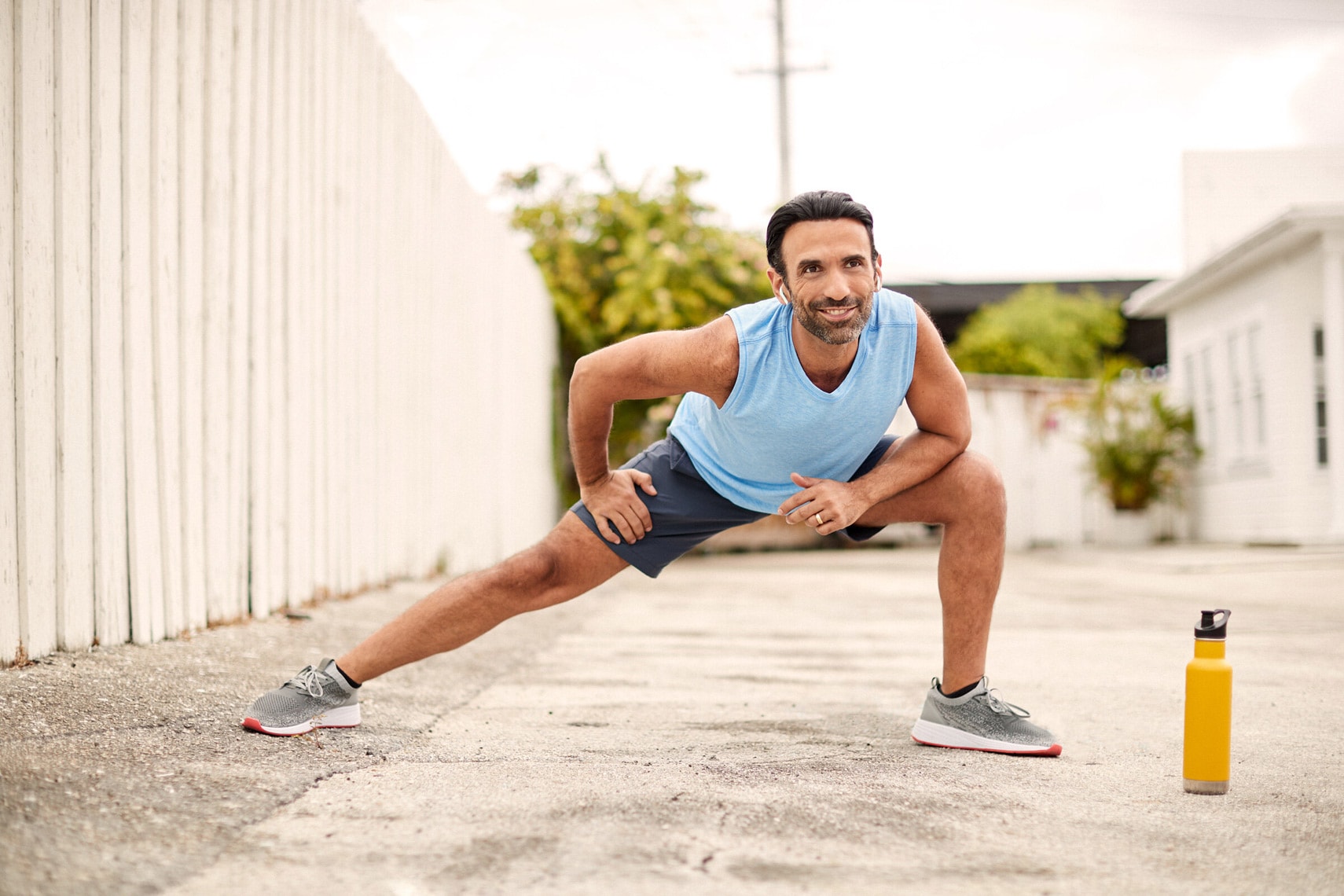
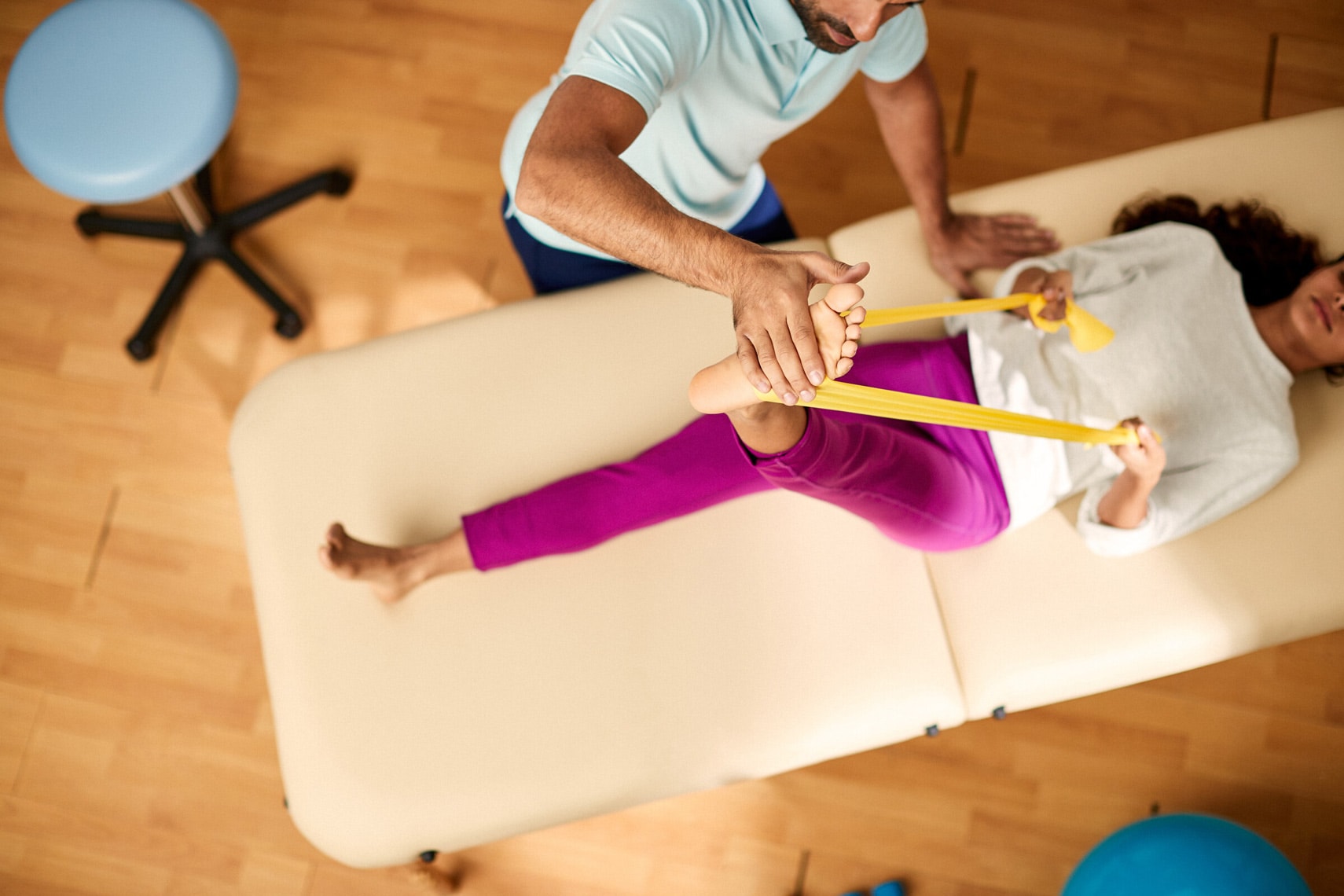
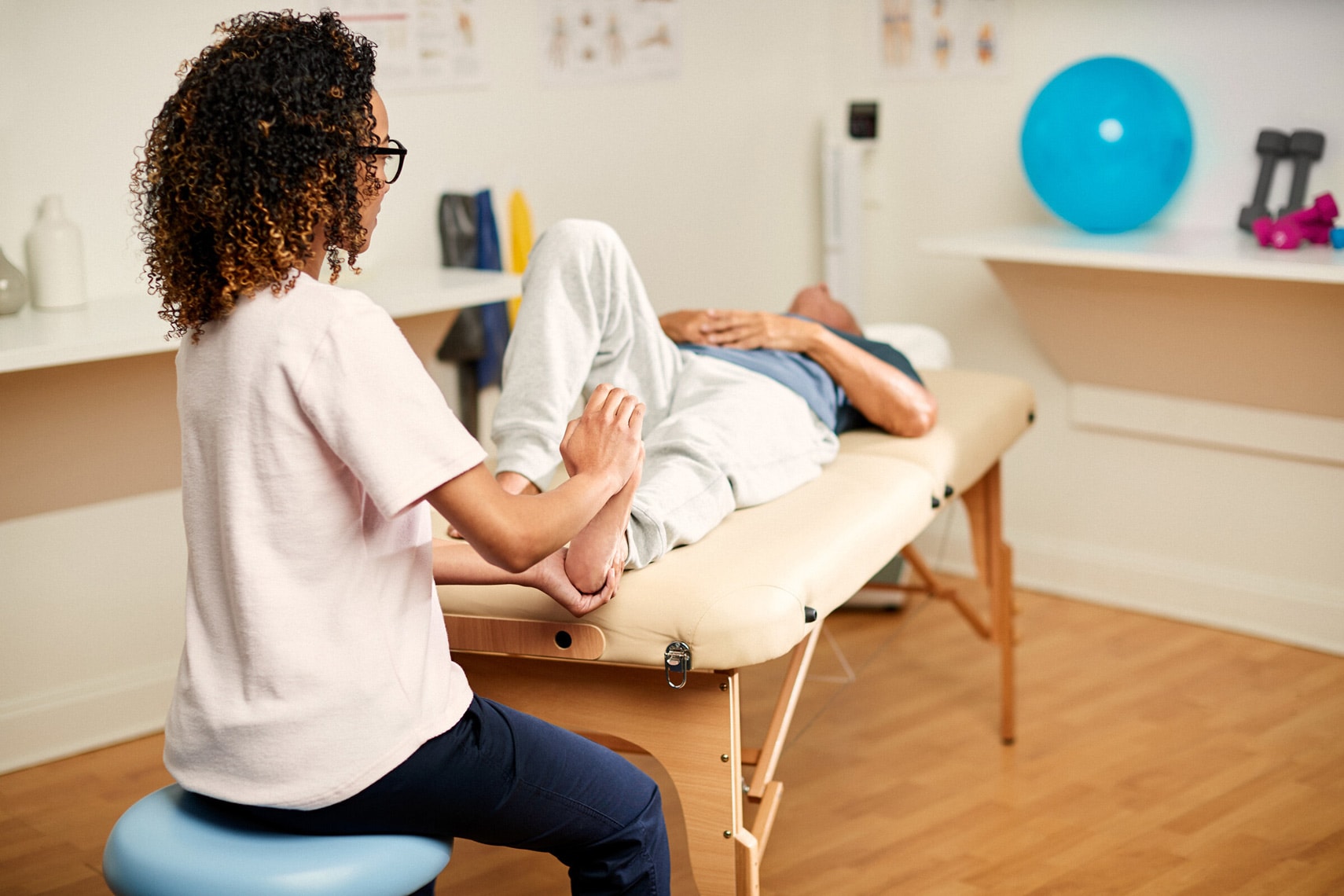
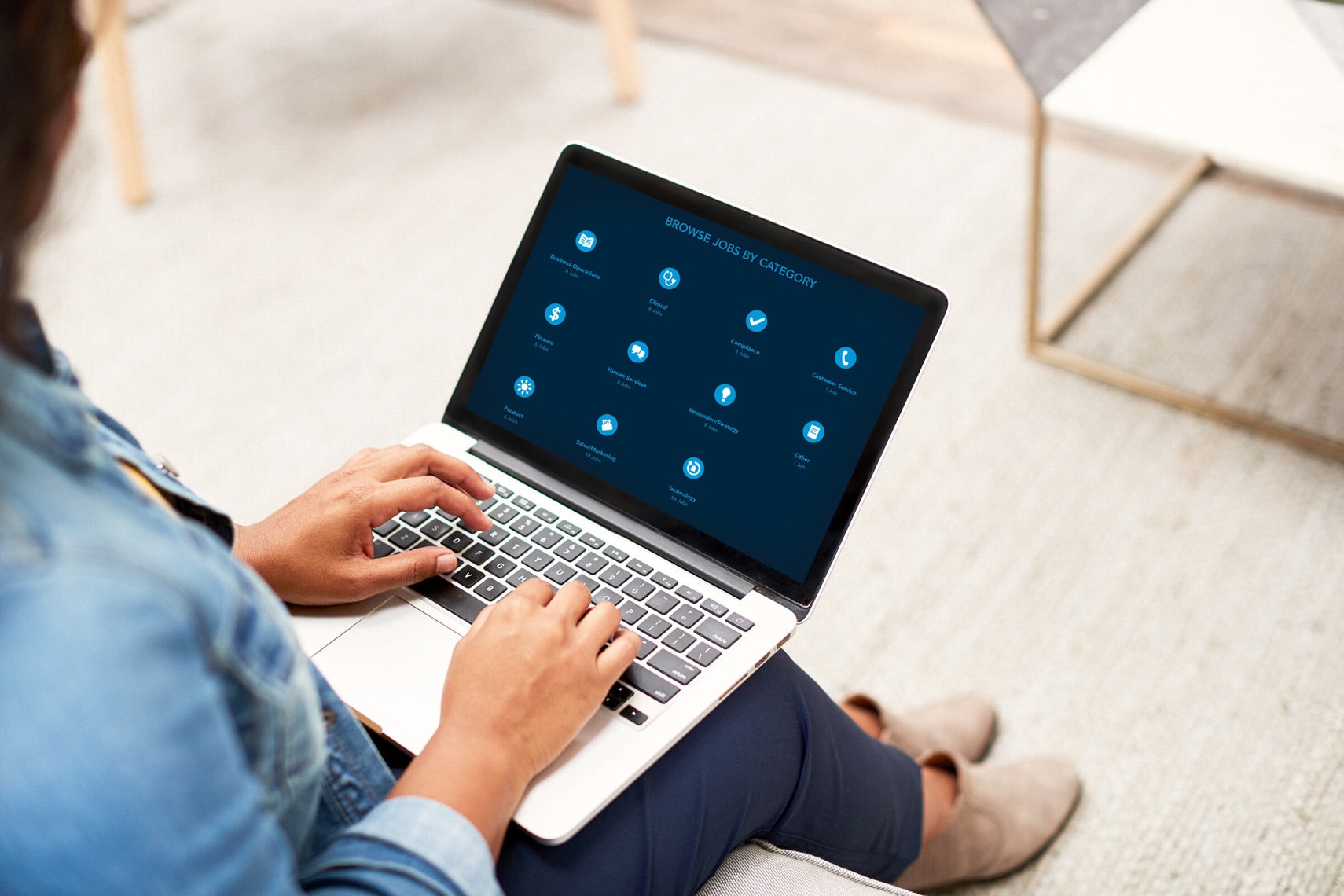
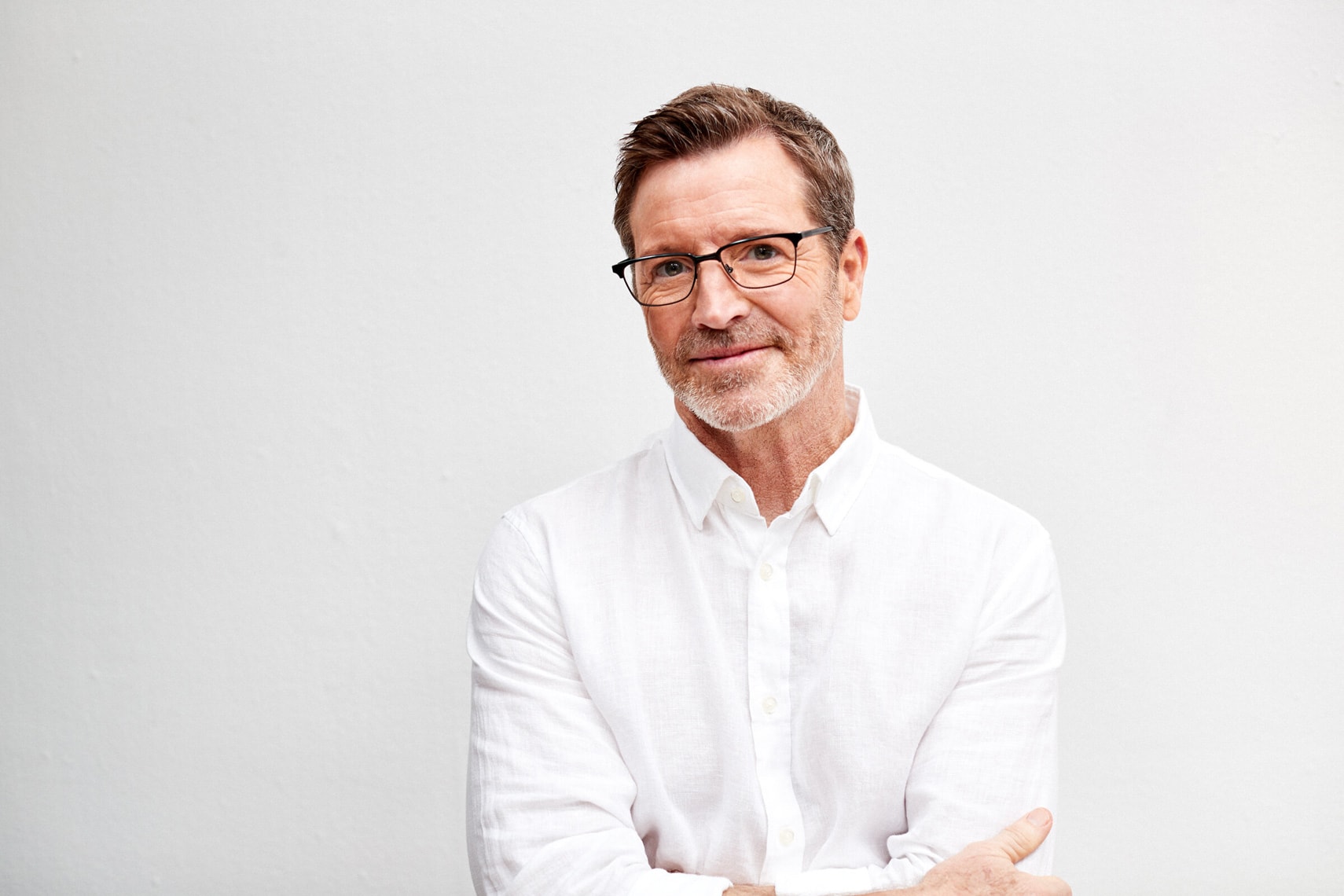
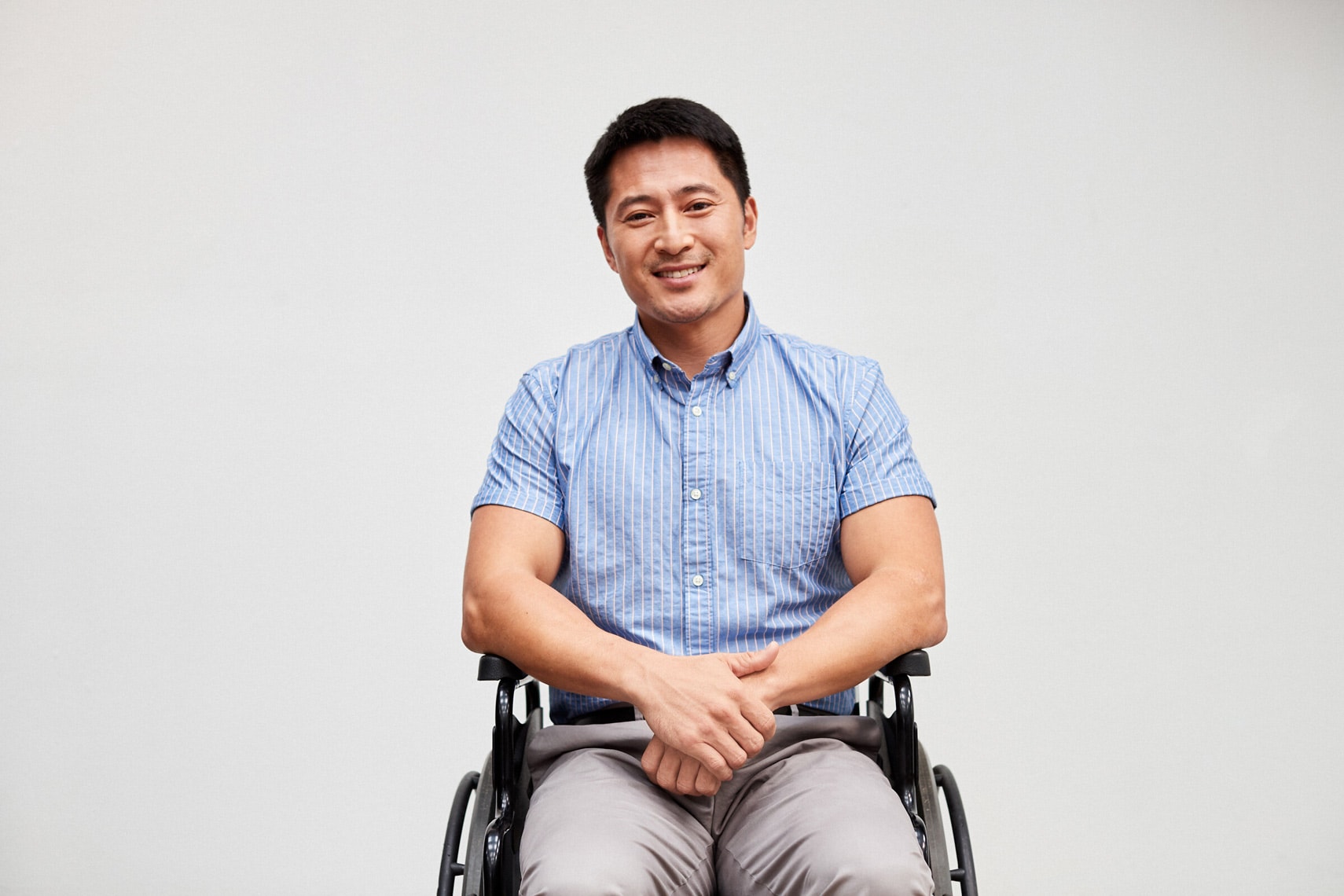
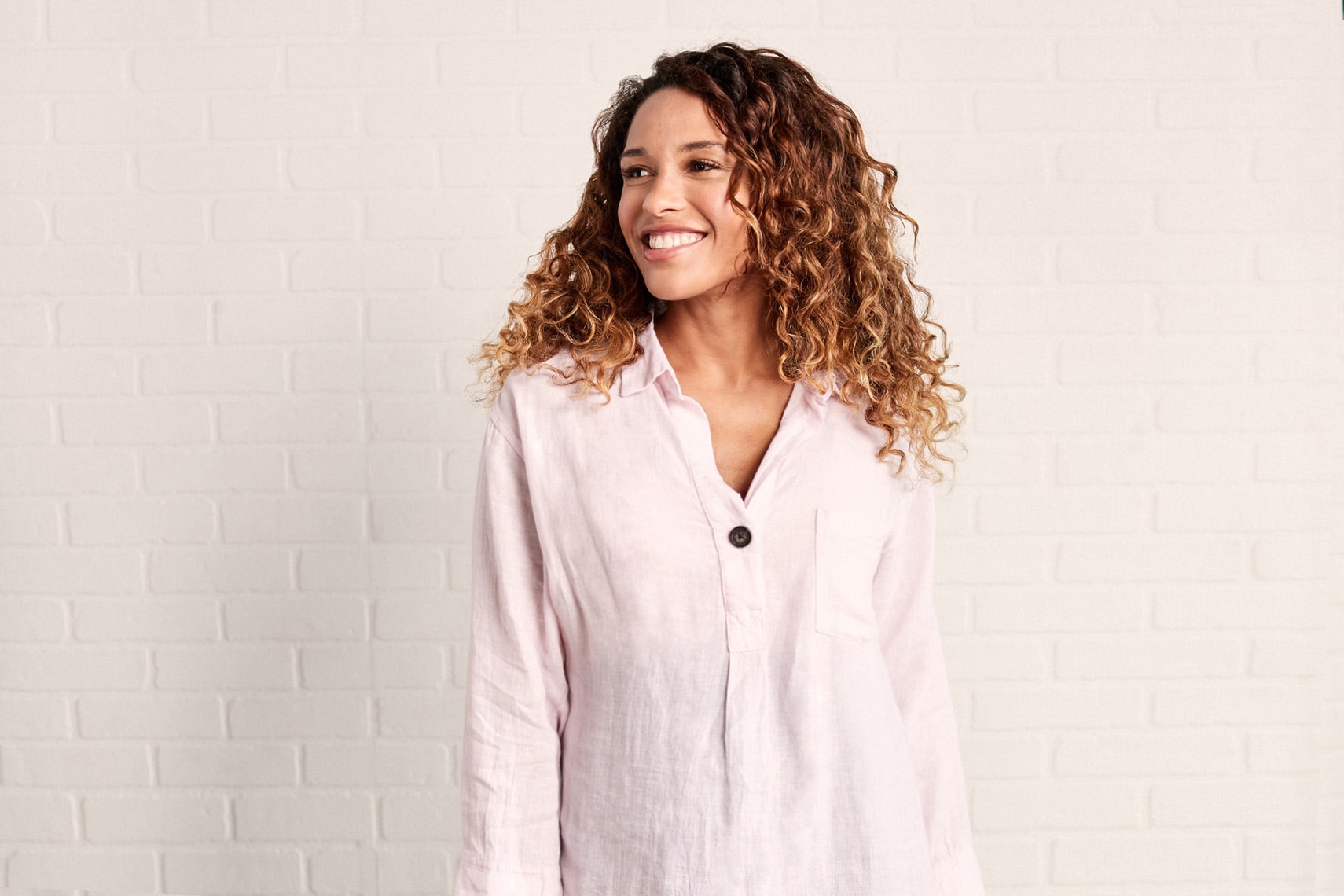
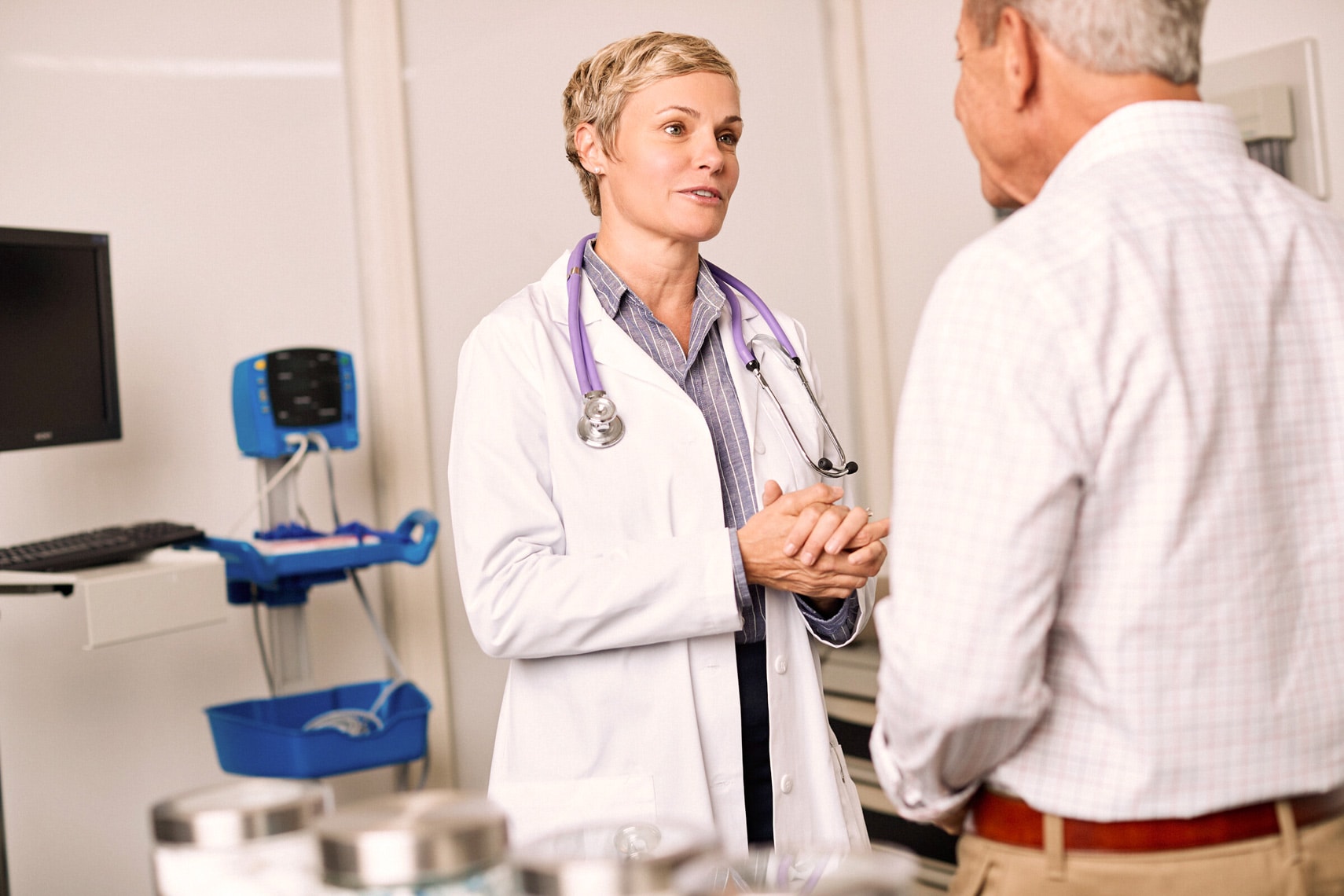
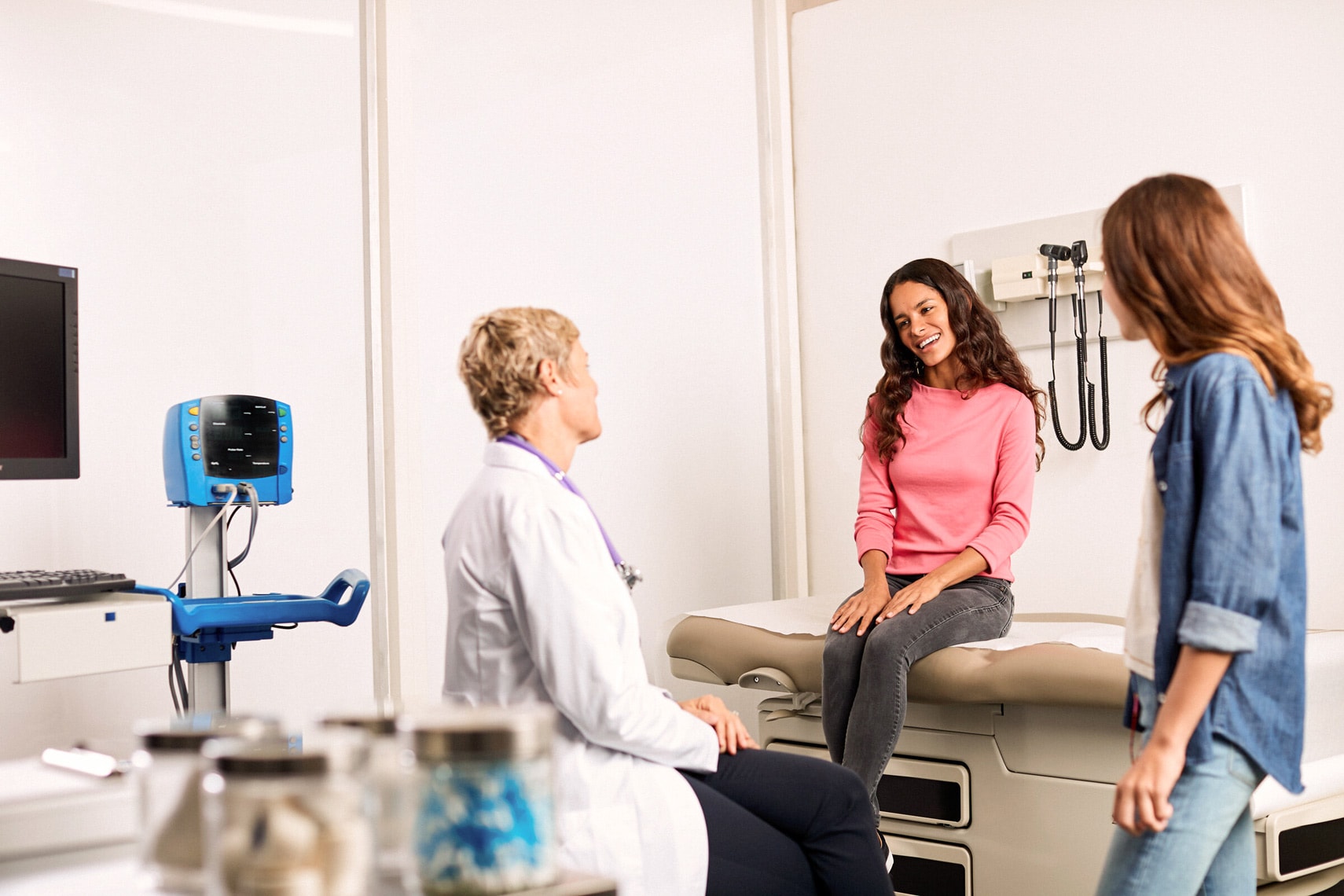
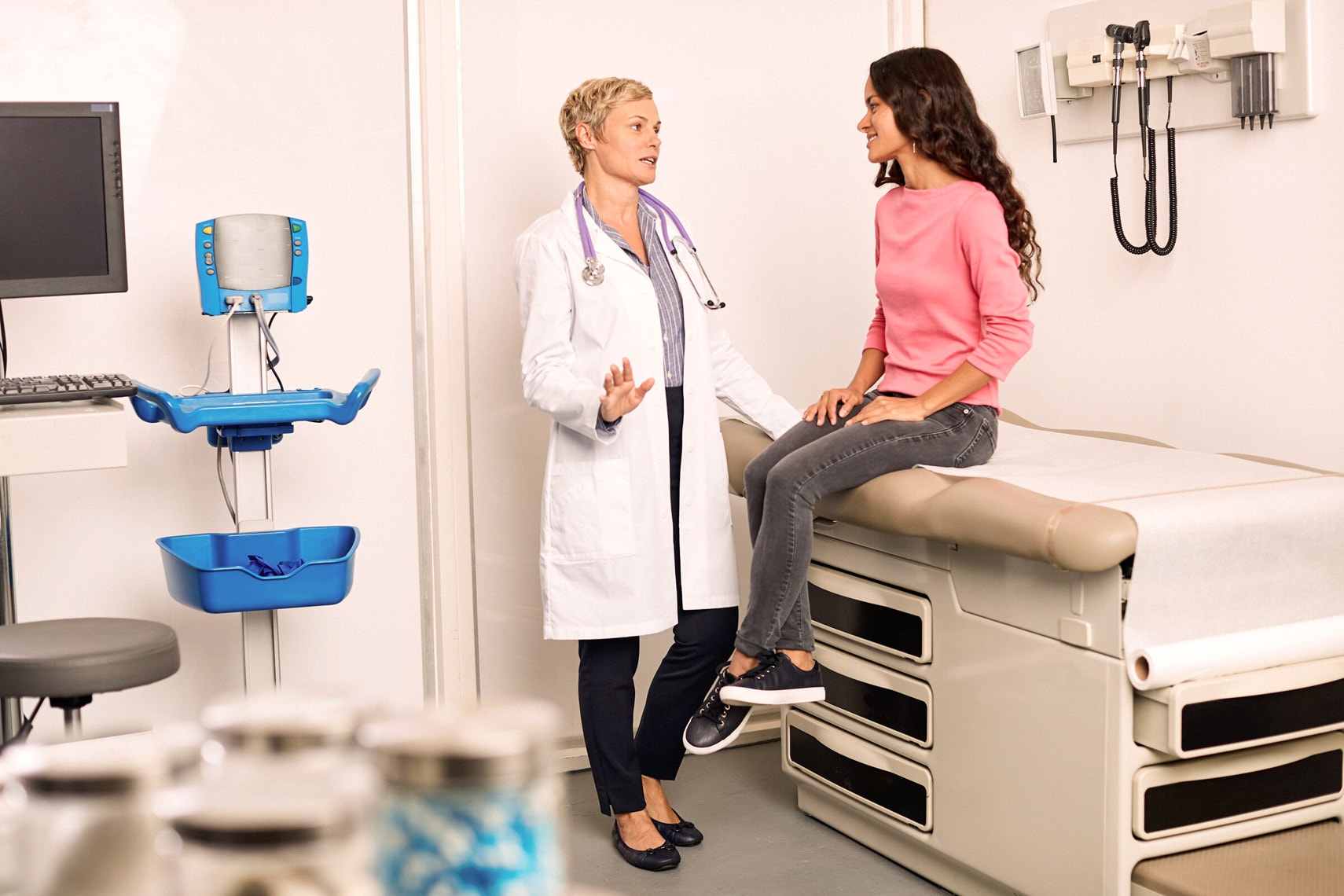
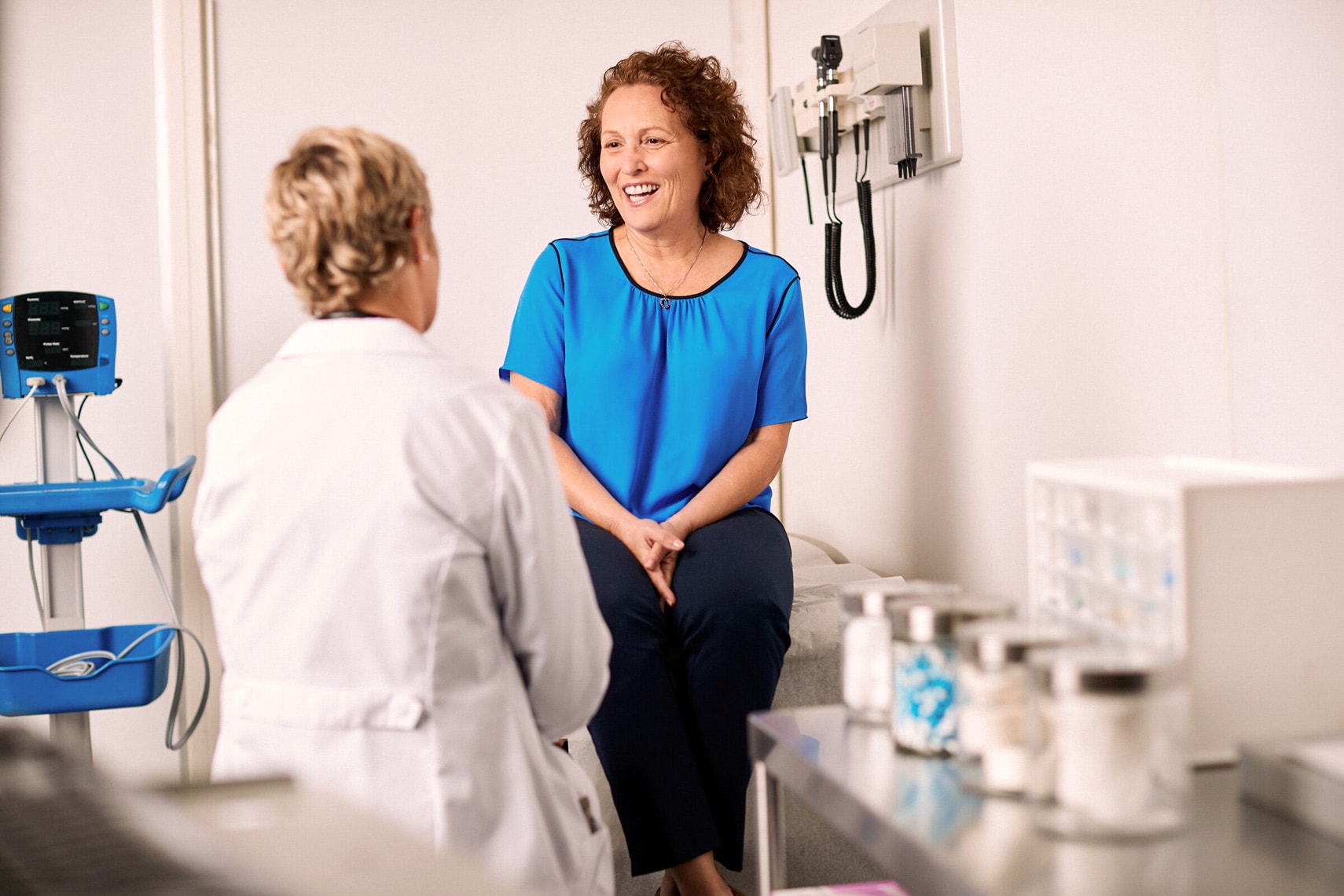
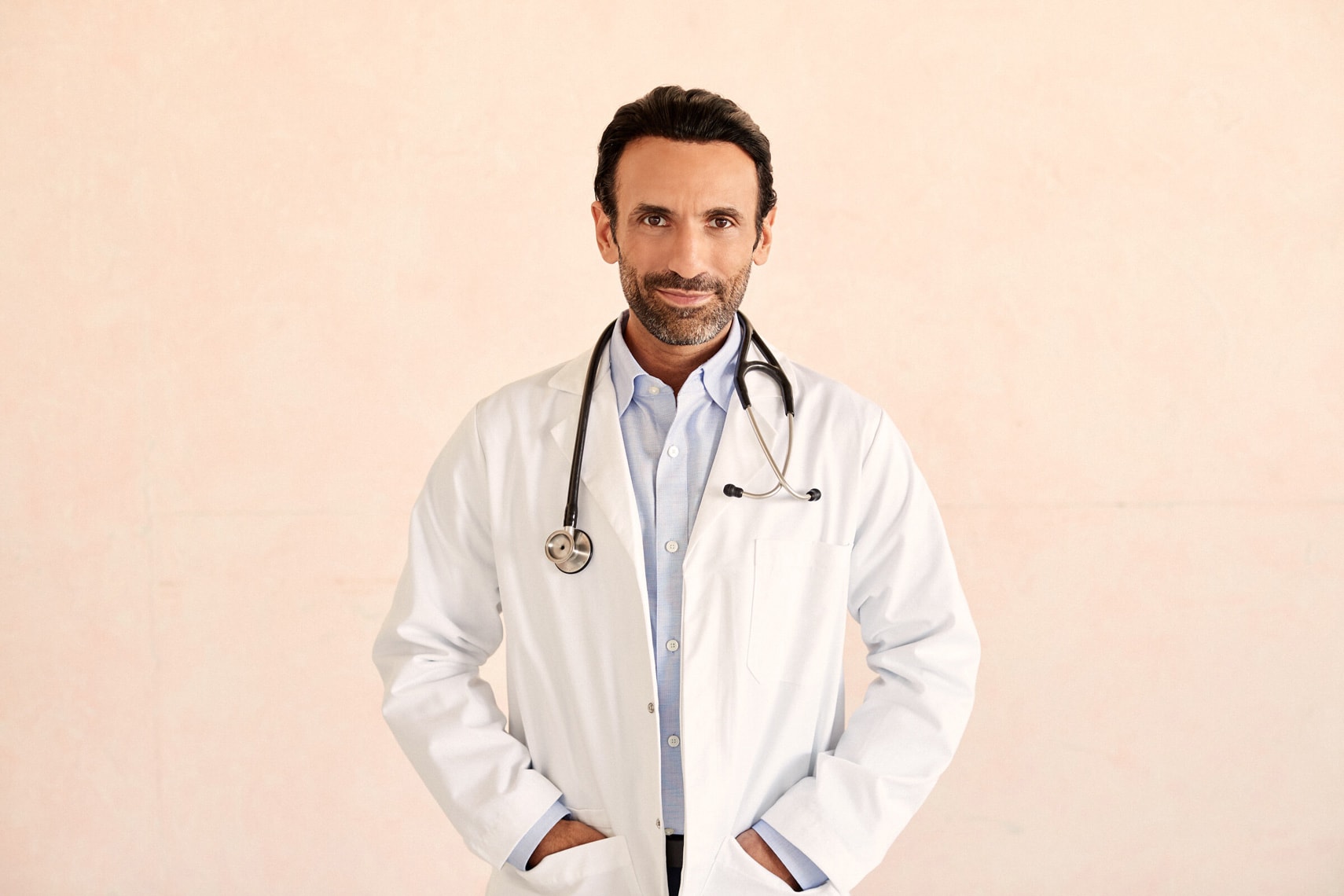
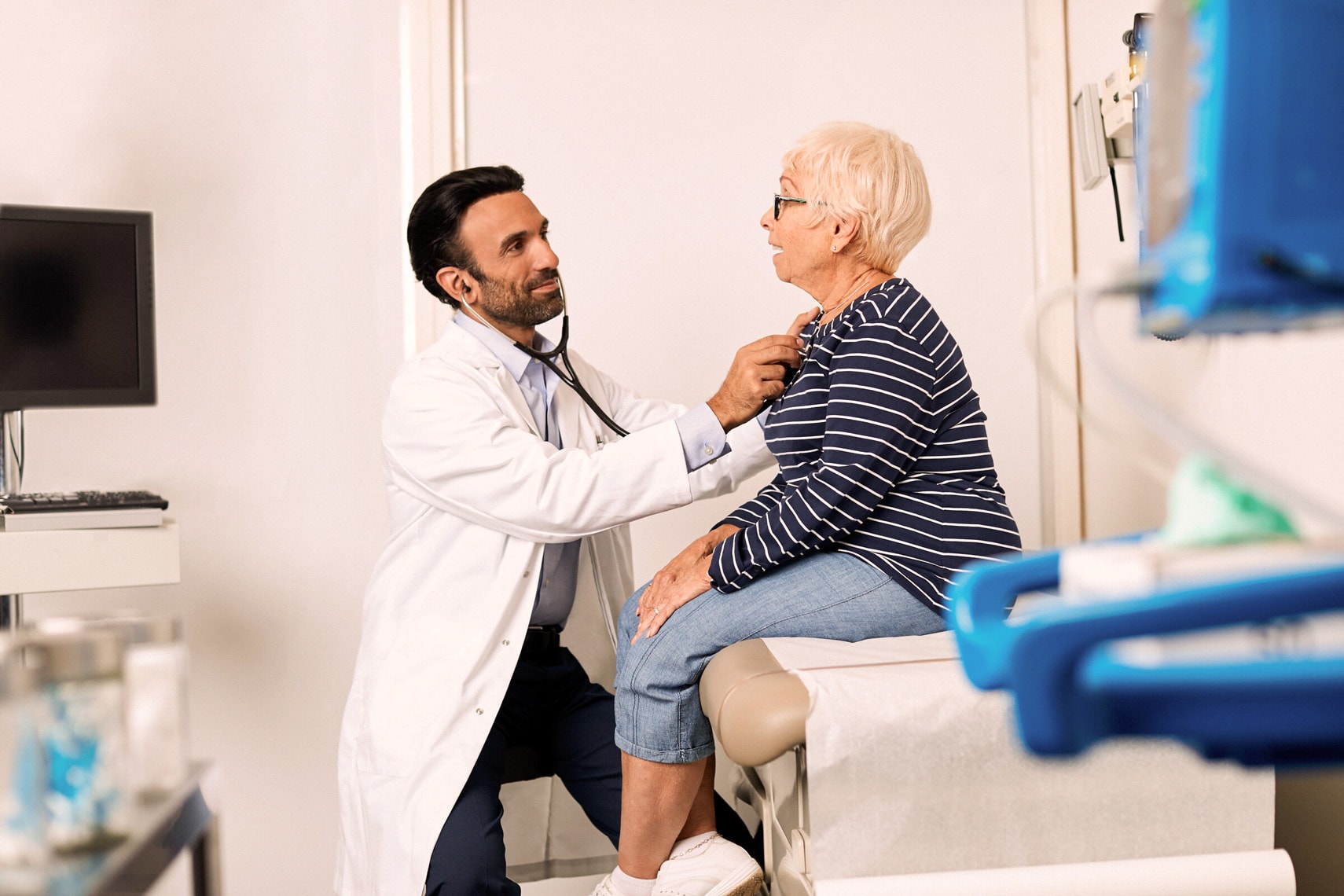
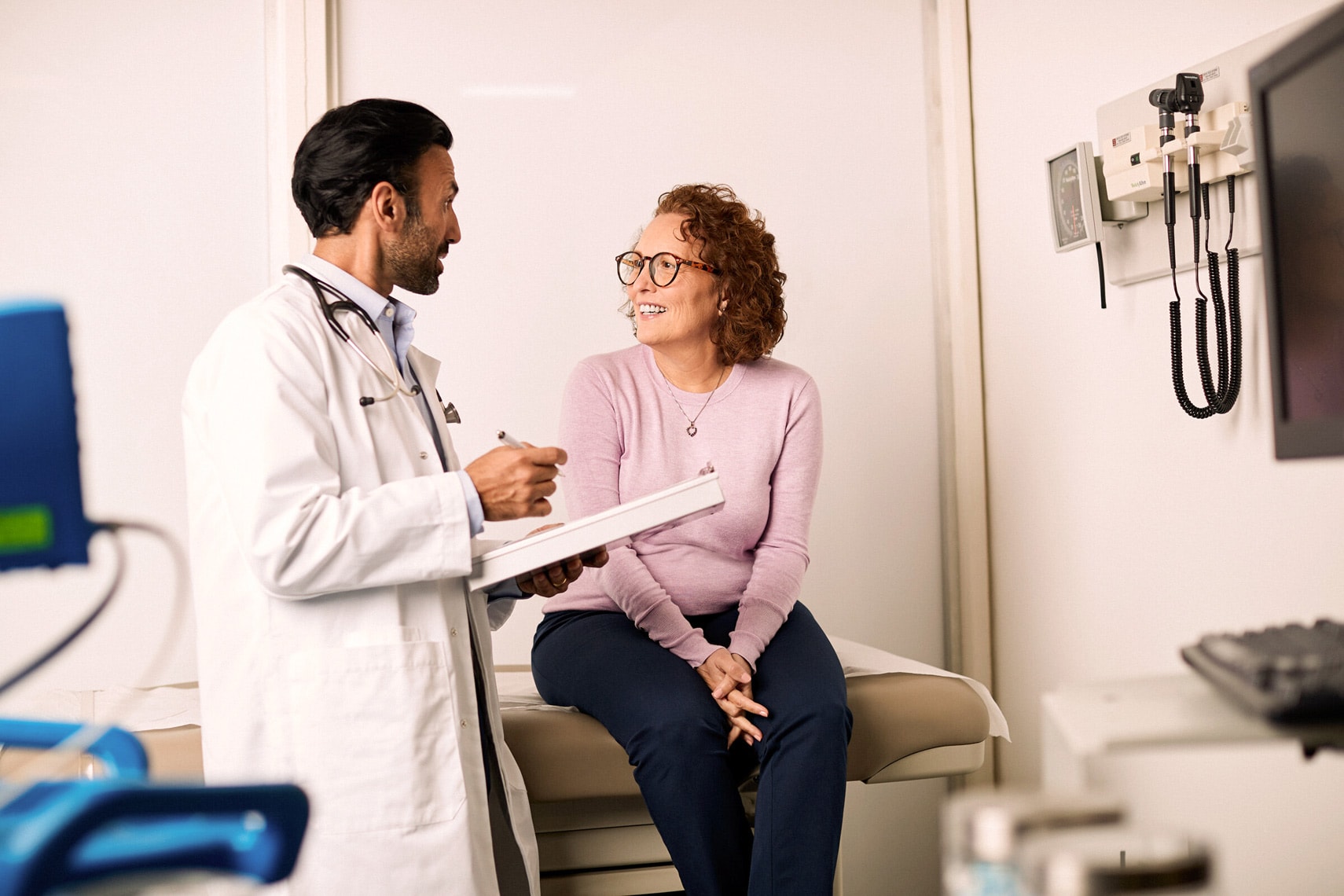
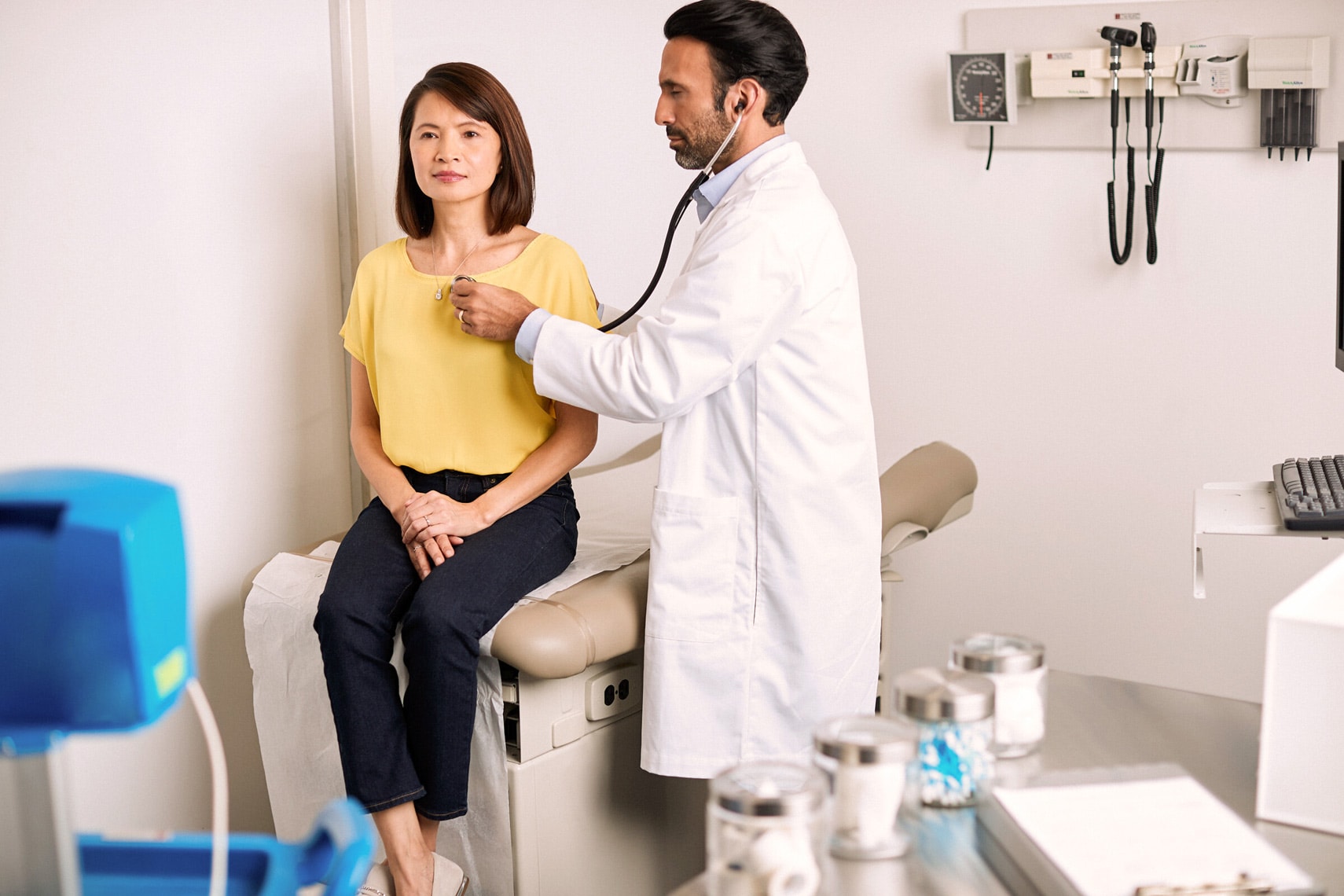
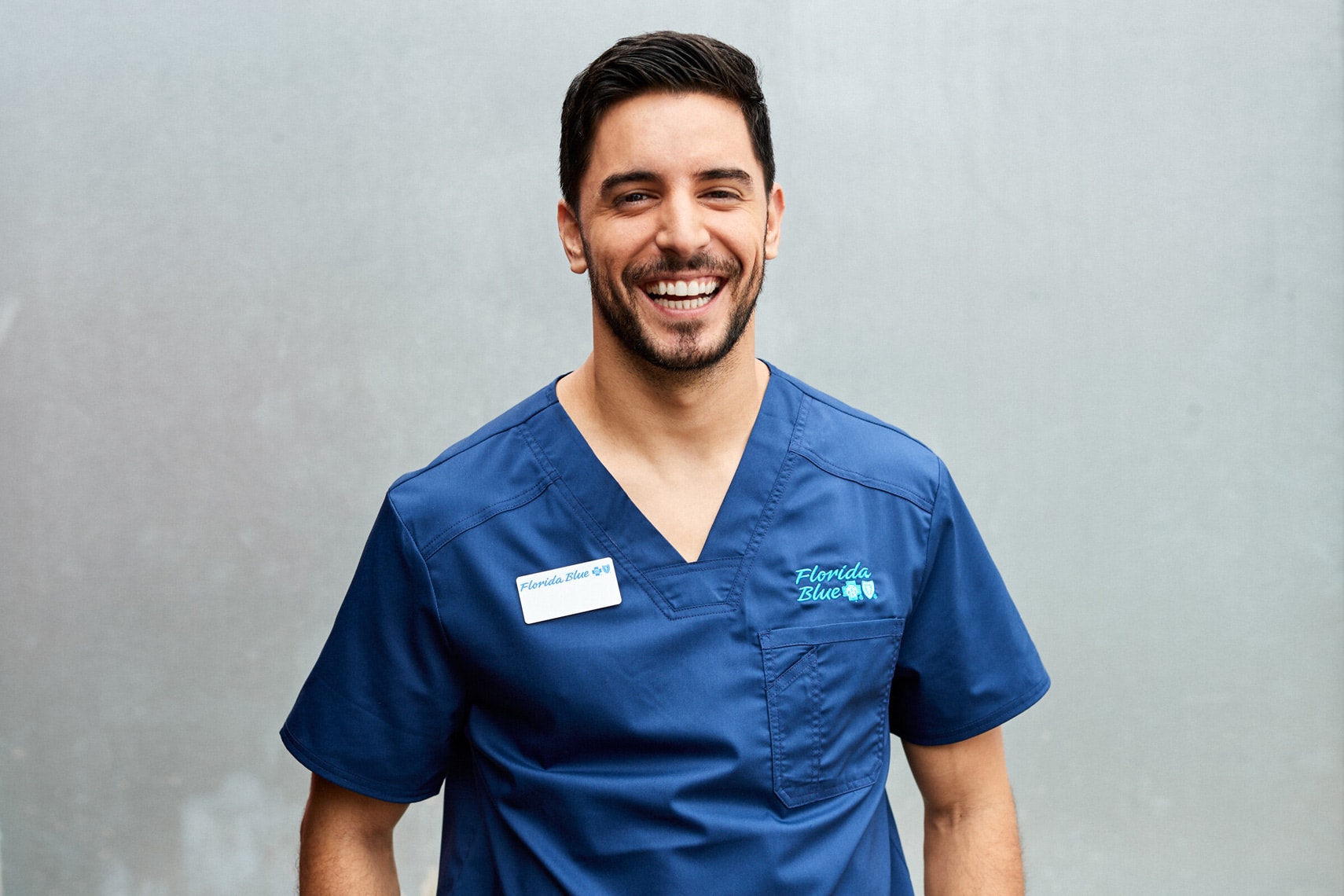
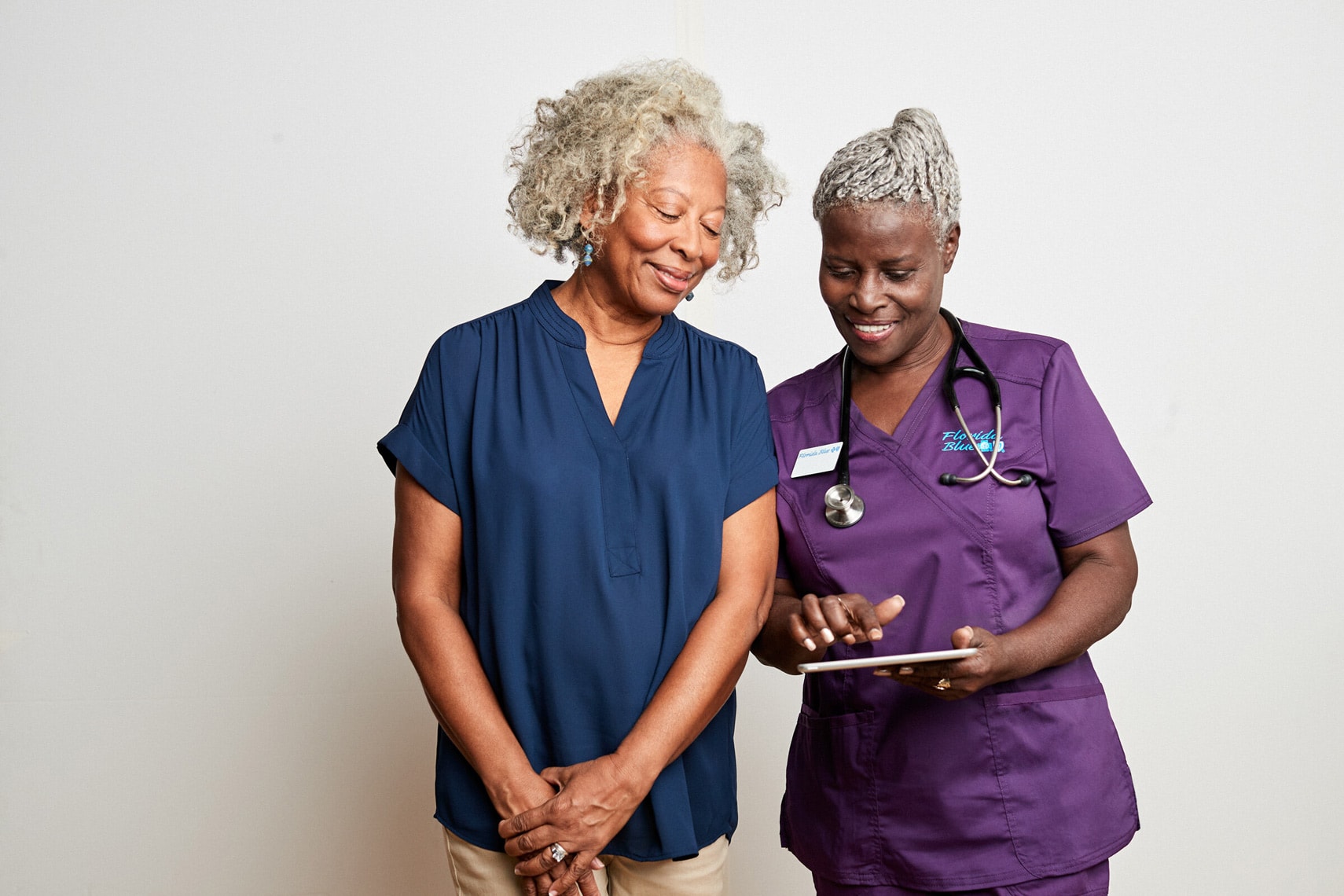
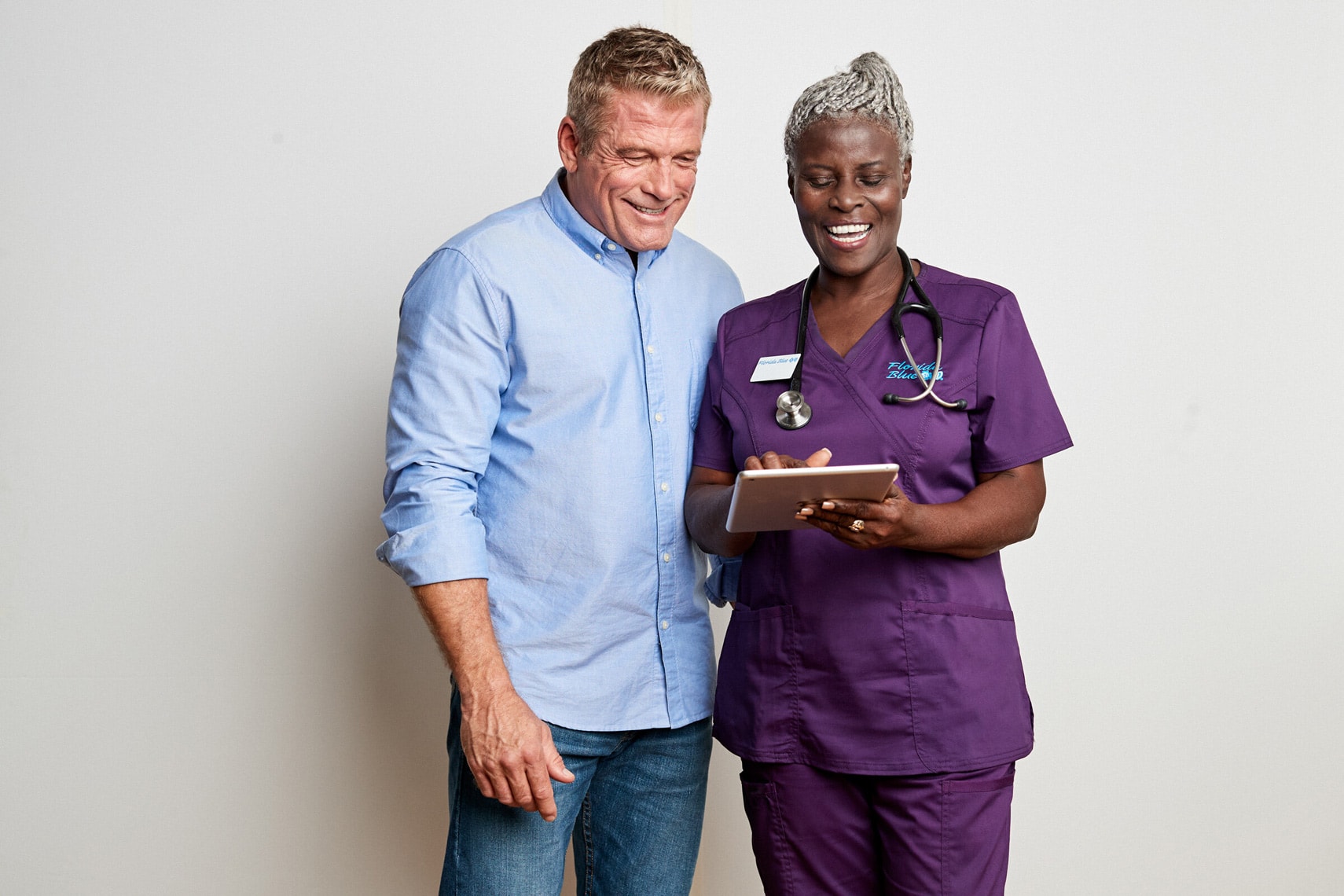
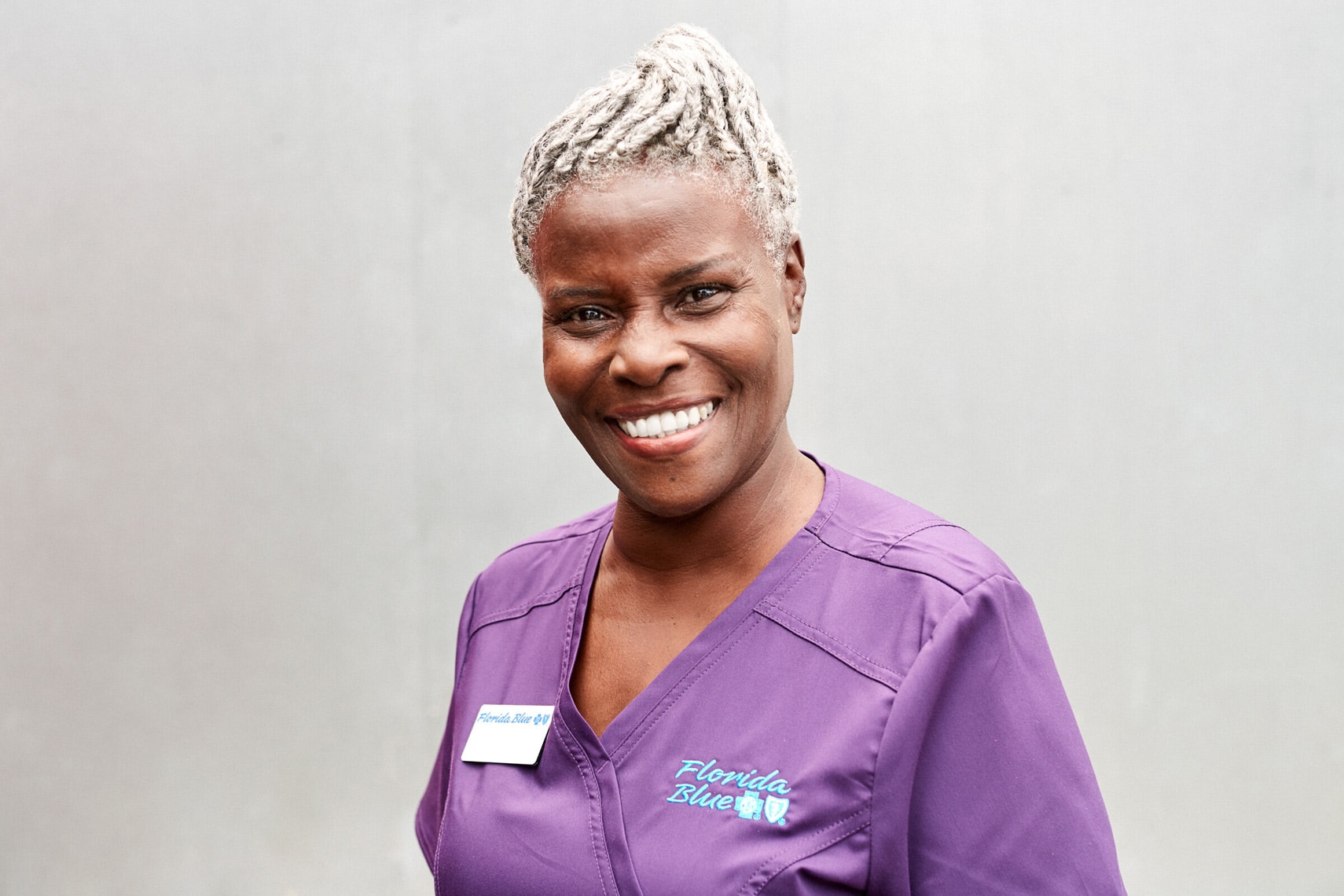
Florida Blue needed more than a campaign. They needed an entire visual world — 50+ unique, standalone images spanning the full breadth of Florida life. Young and old. Urban and coastal. Medical and everyday. Each image a complete story on its own. Each one different from the last.
One budget. One team. Three days.
02The Challenge
On paper, three obstacles made this shoot feel closer to impossible than difficult.
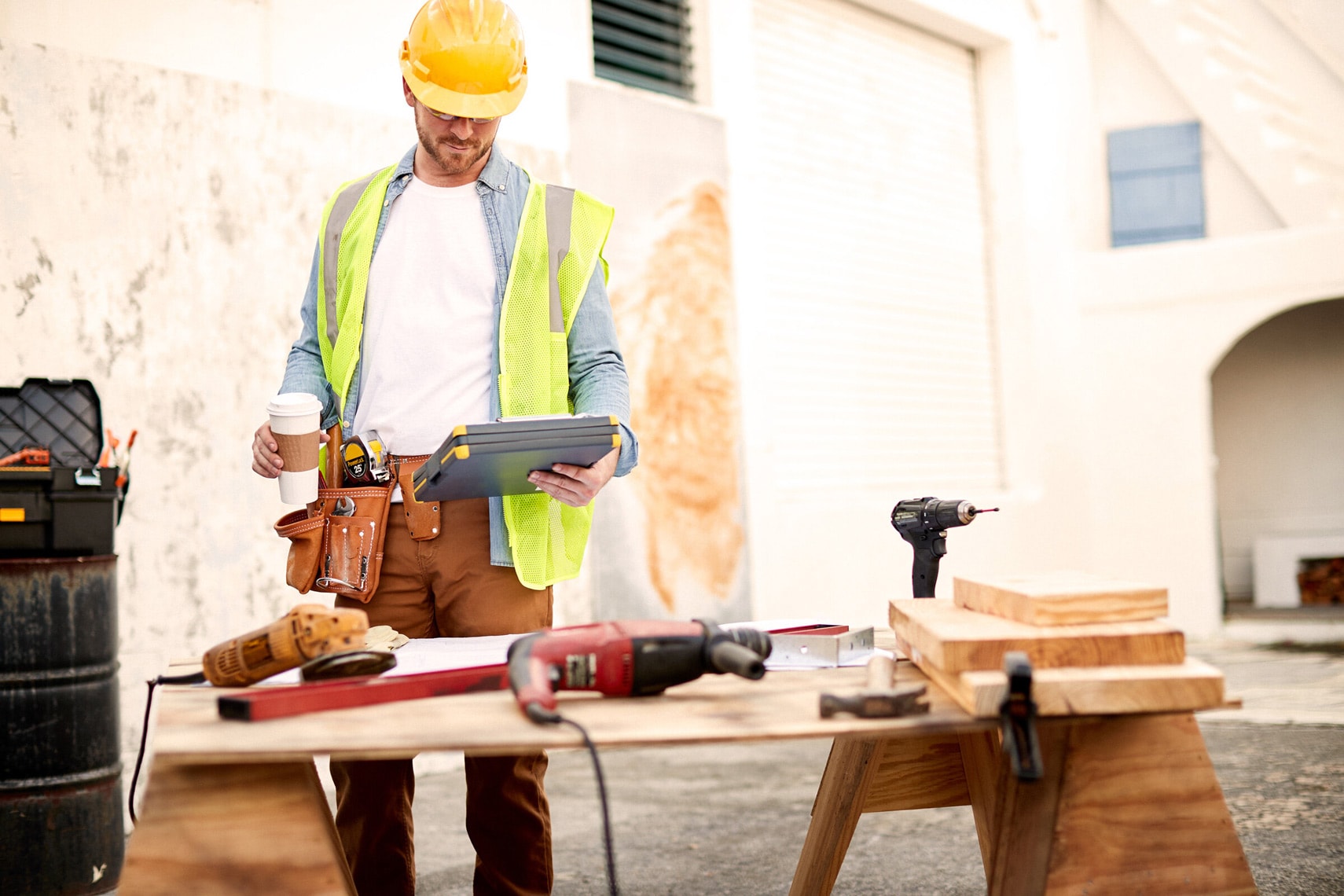
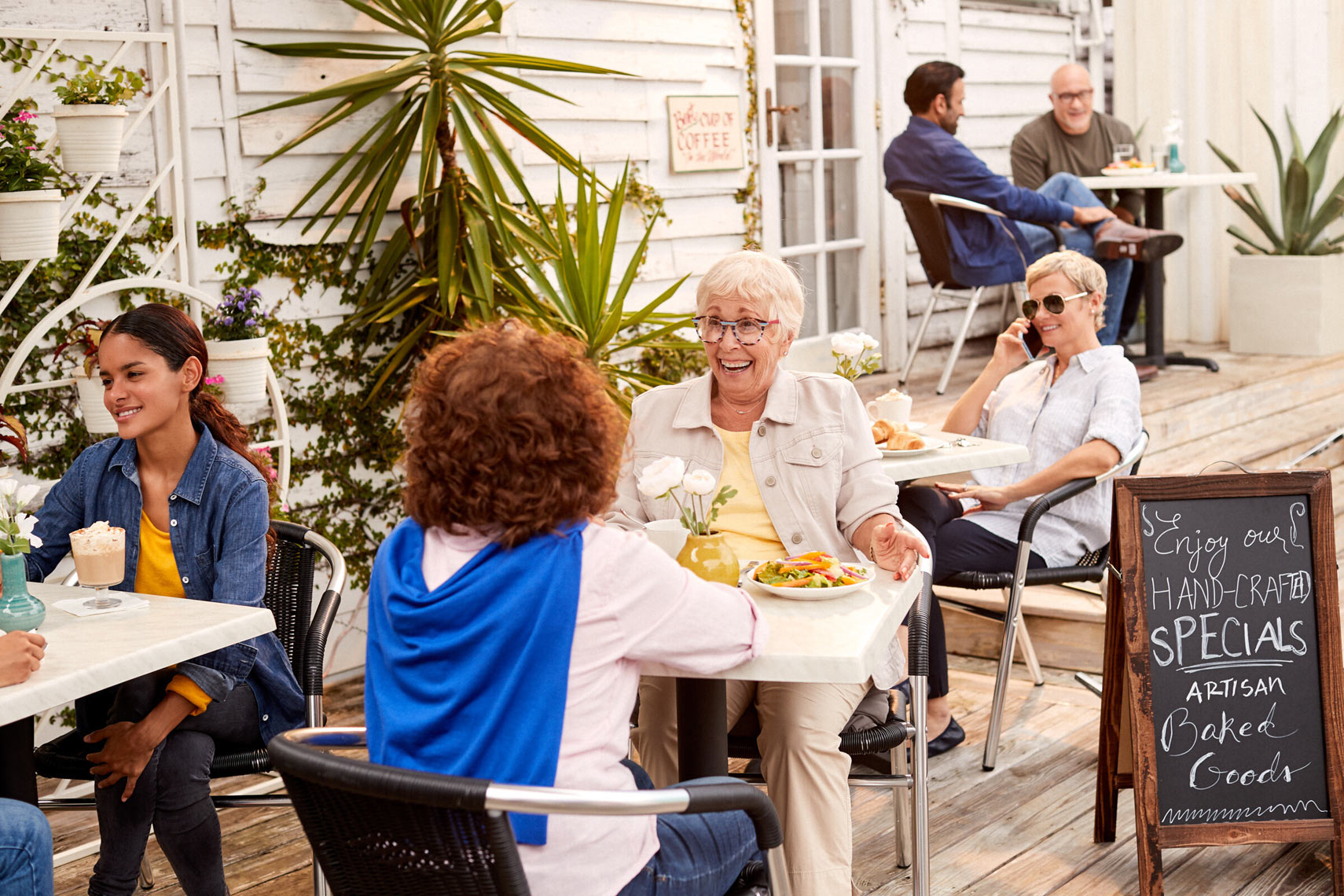
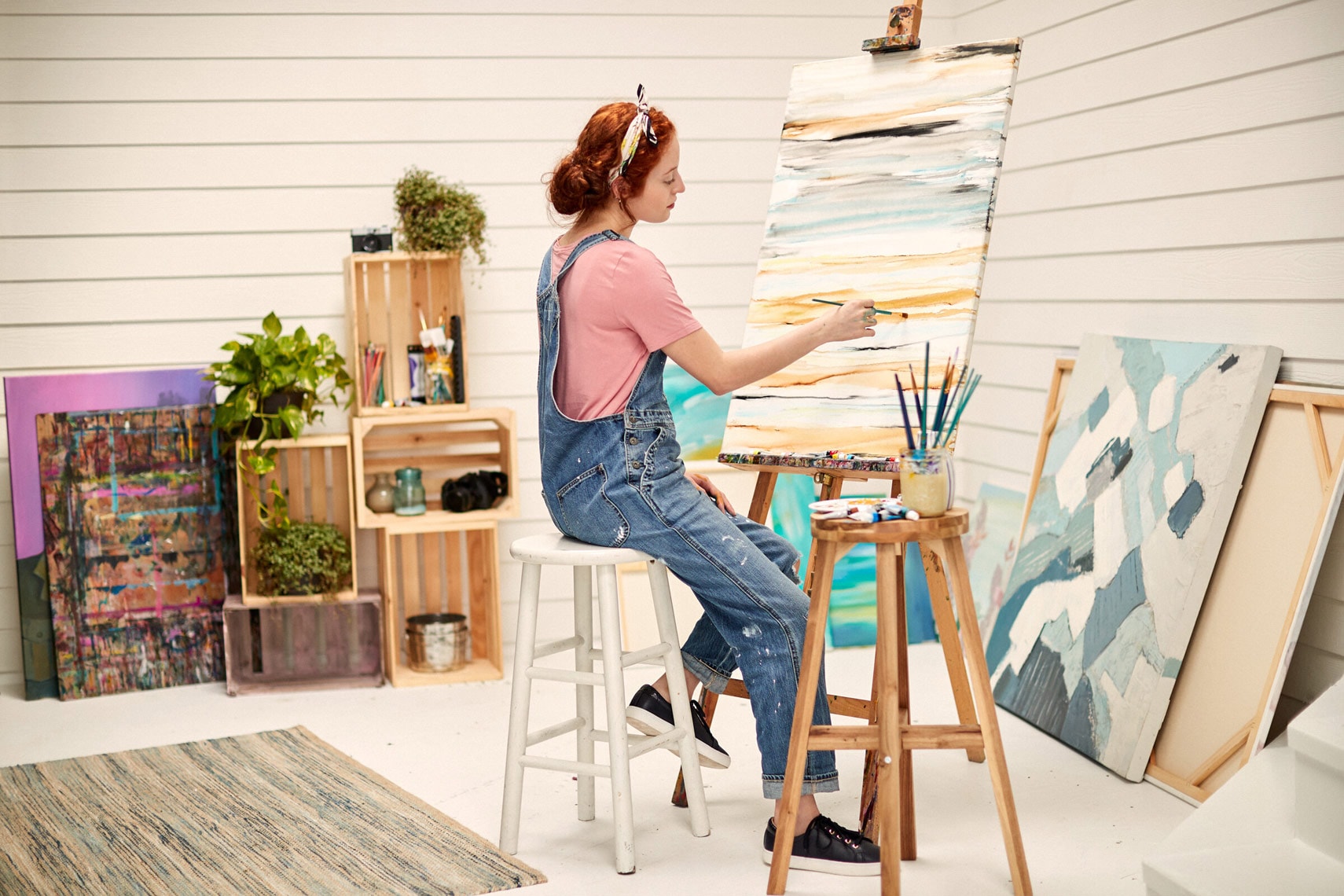
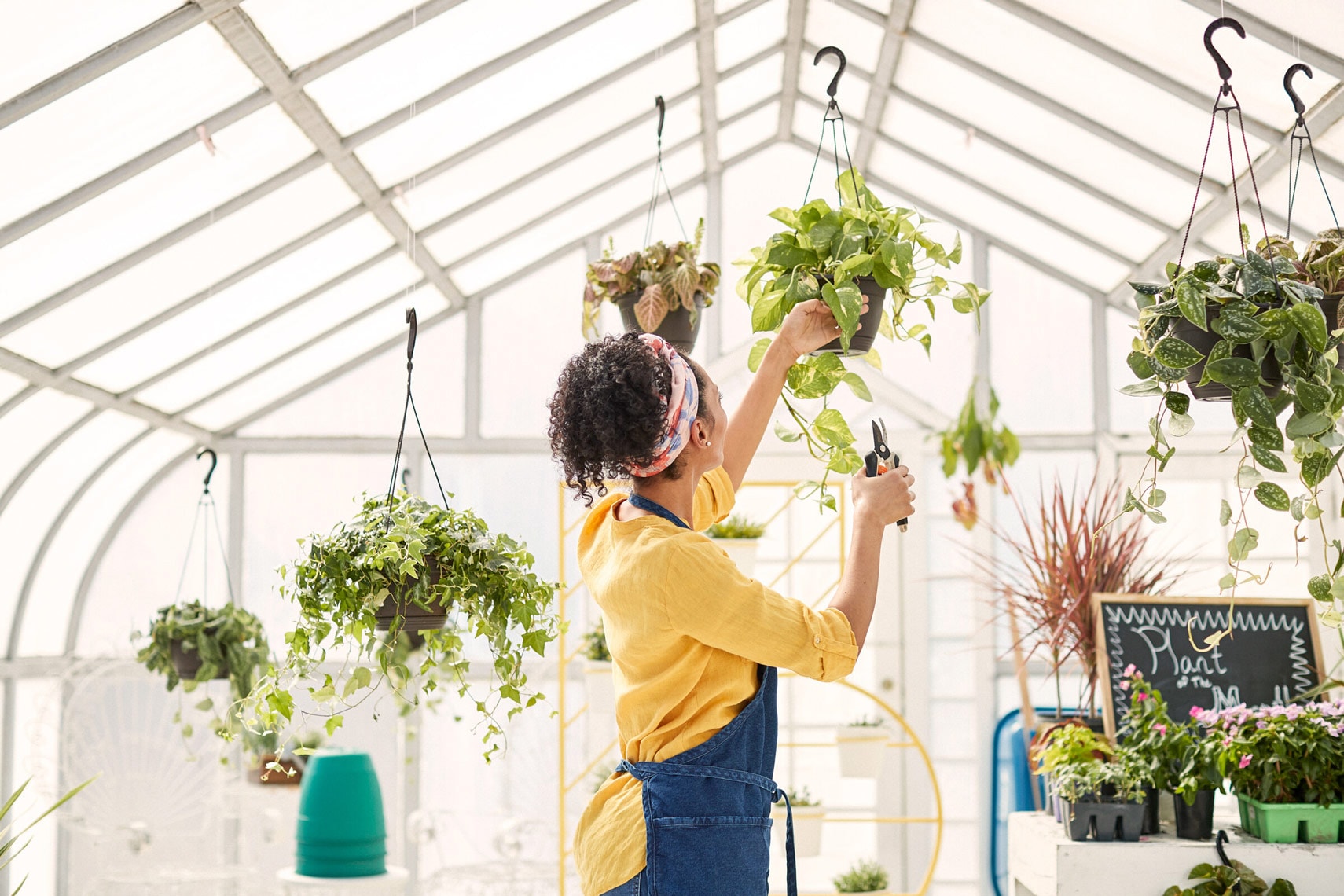
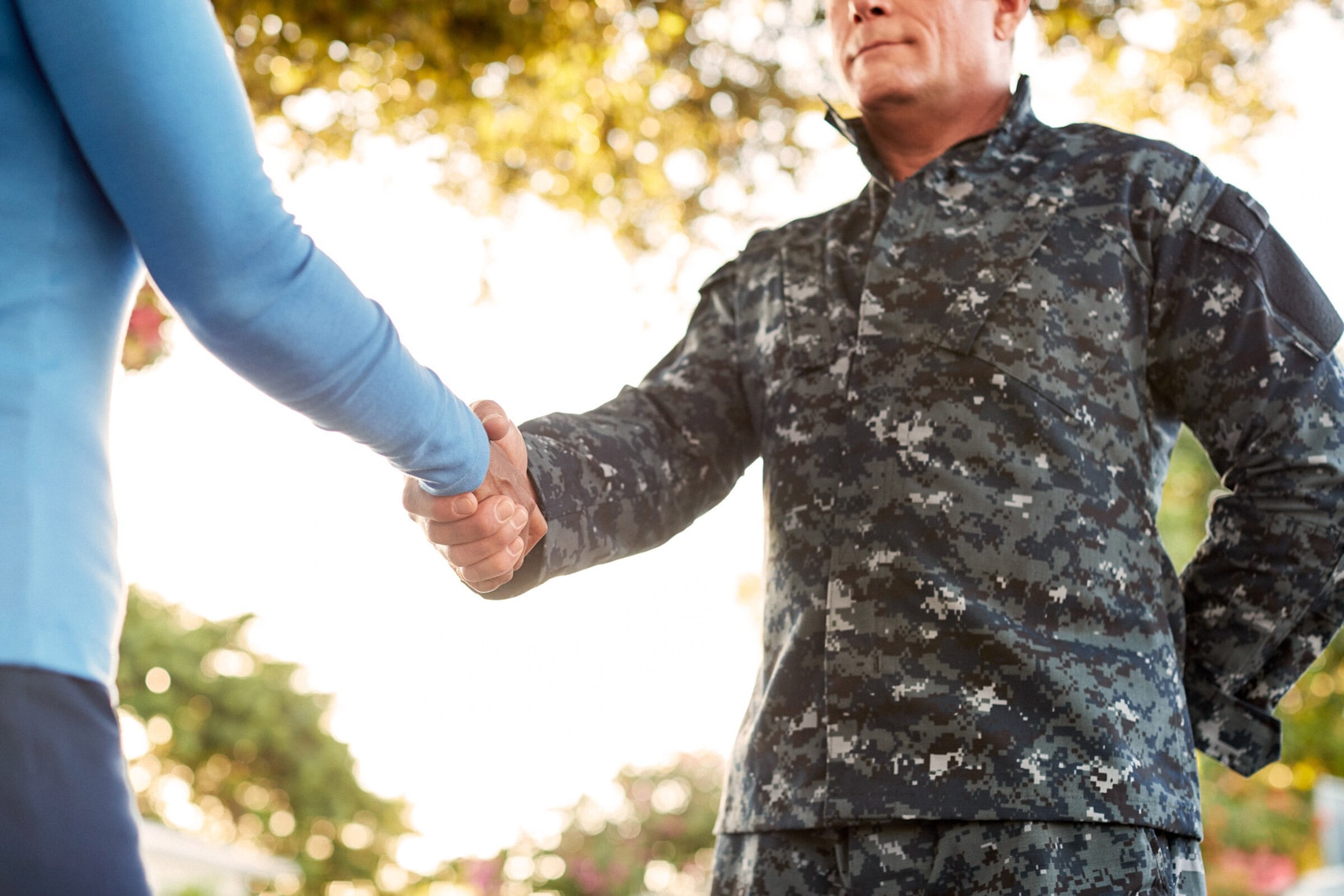
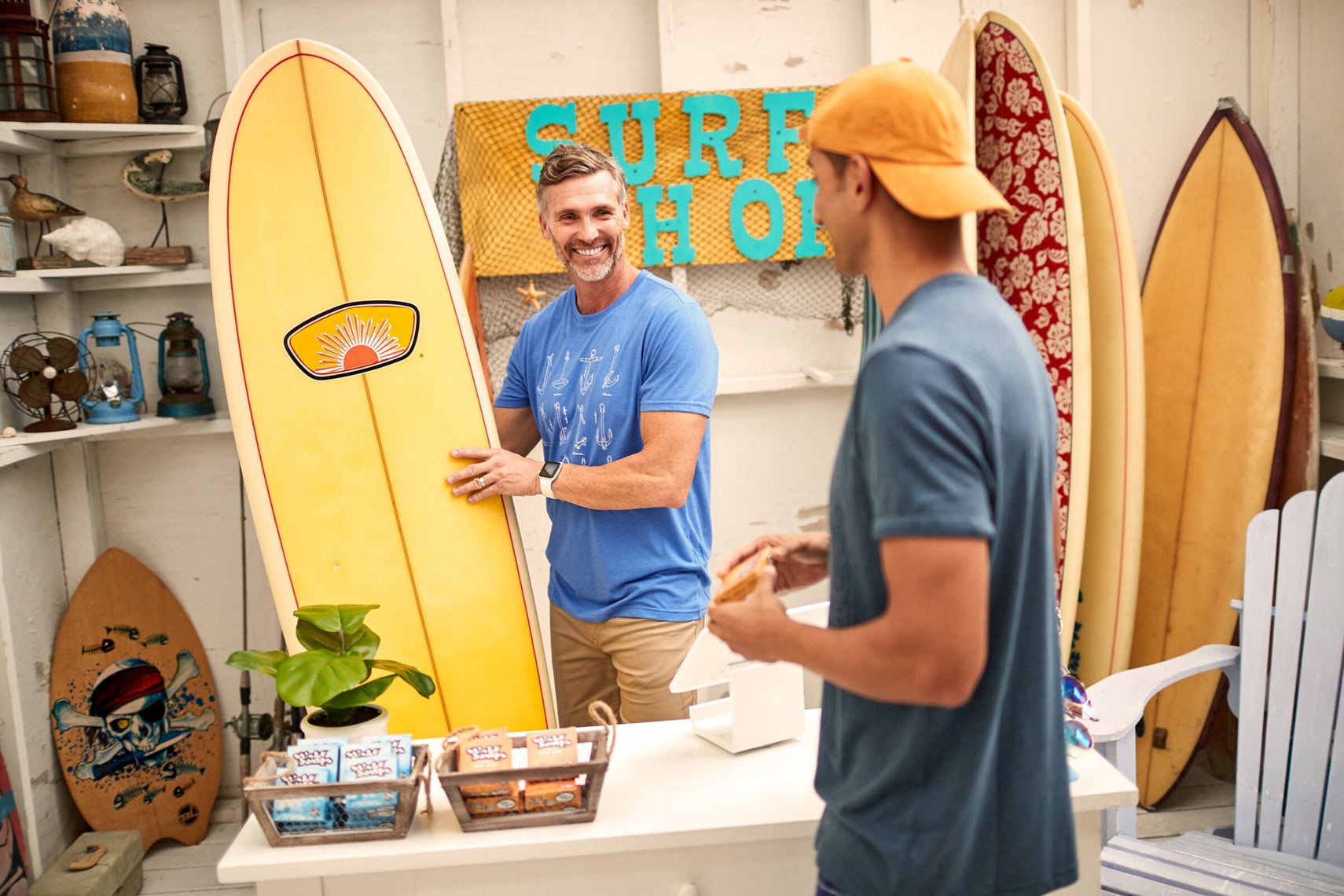
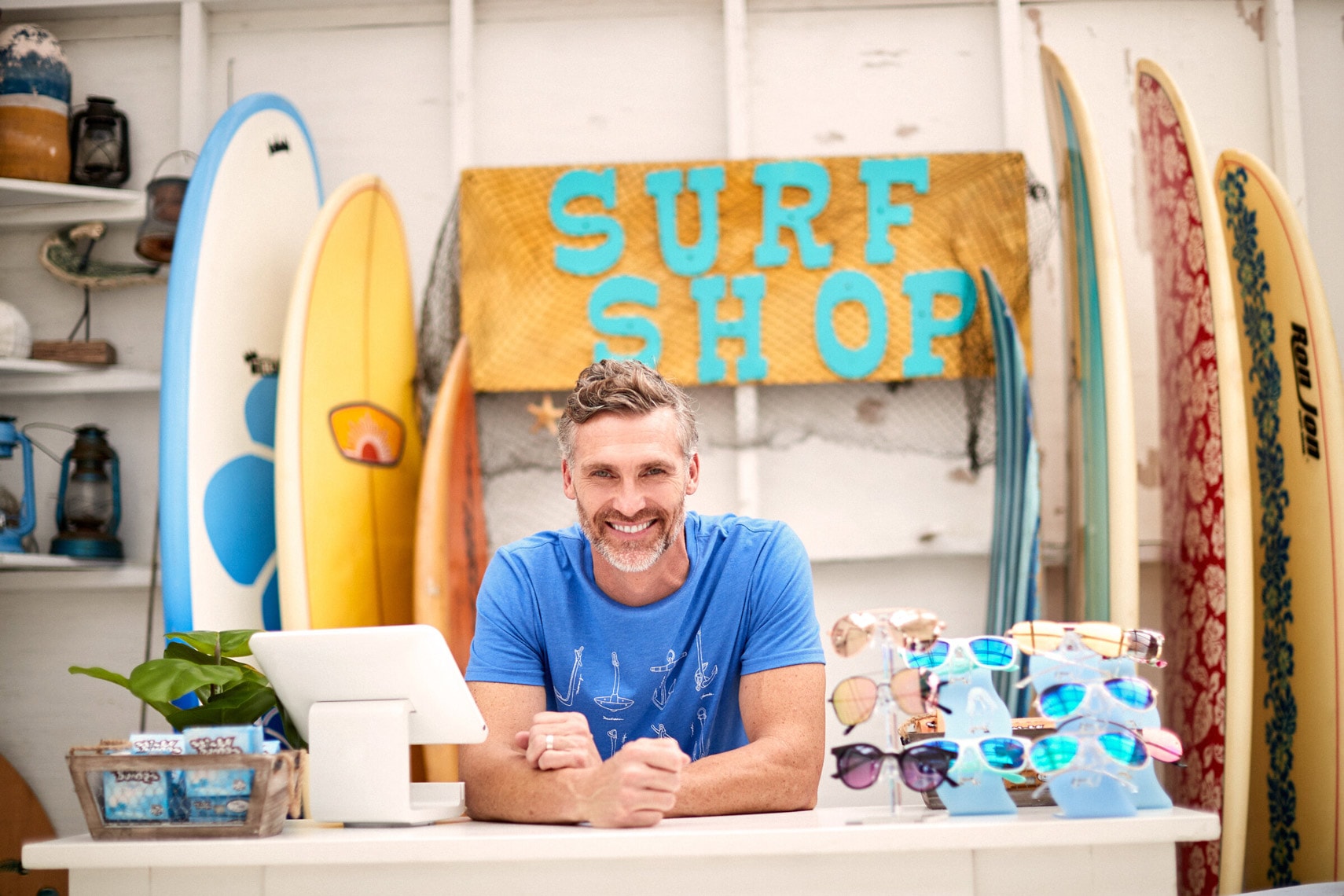
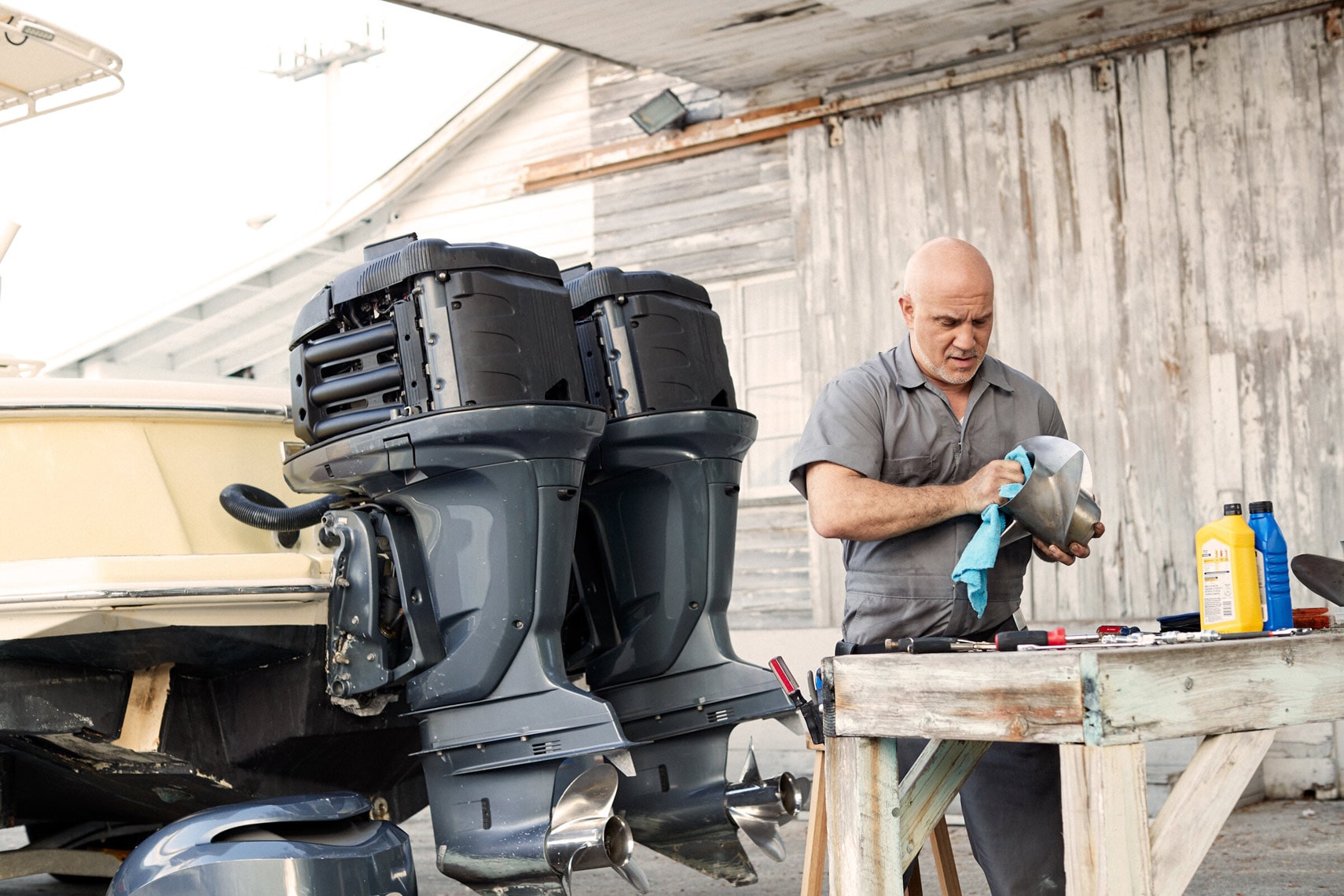
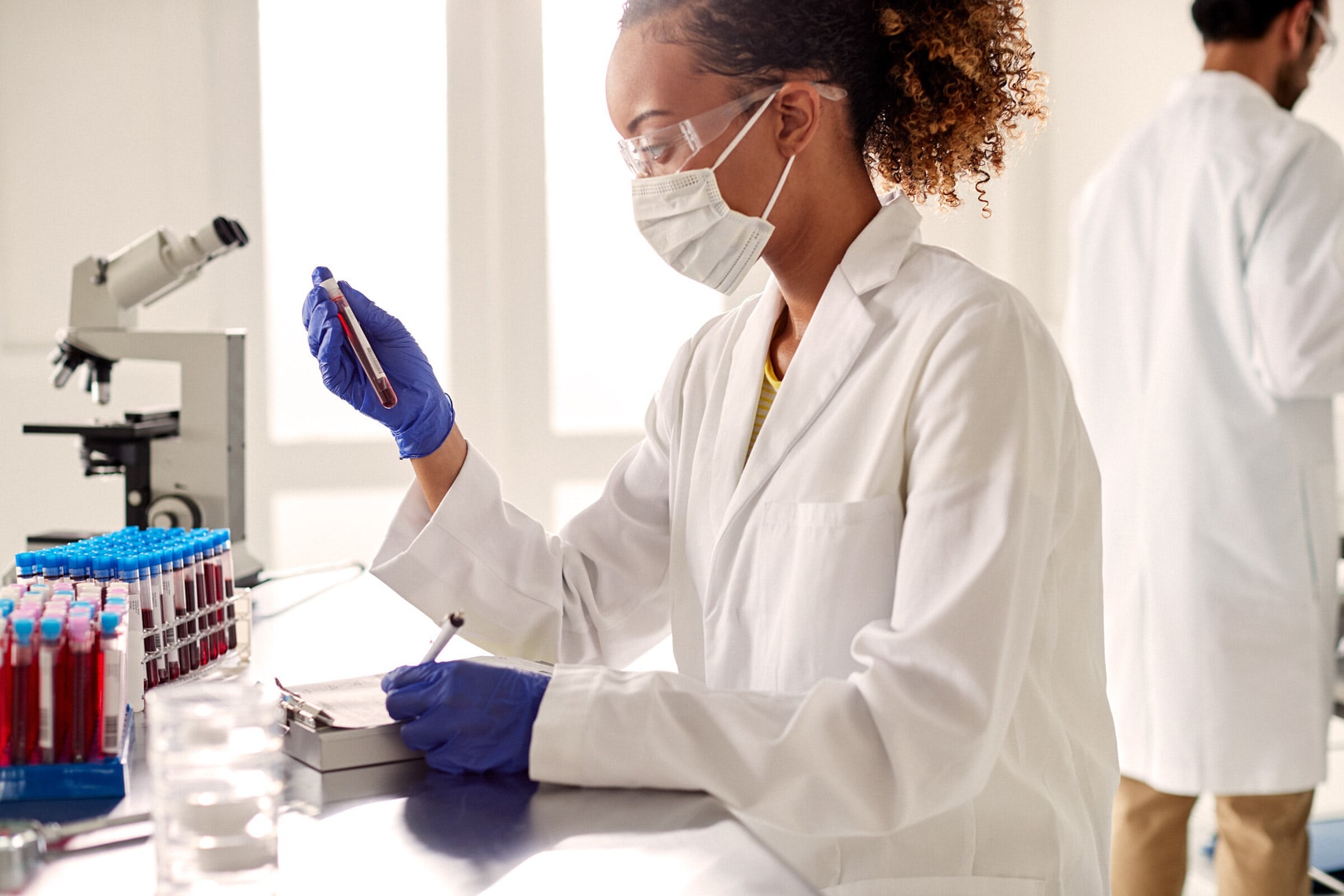
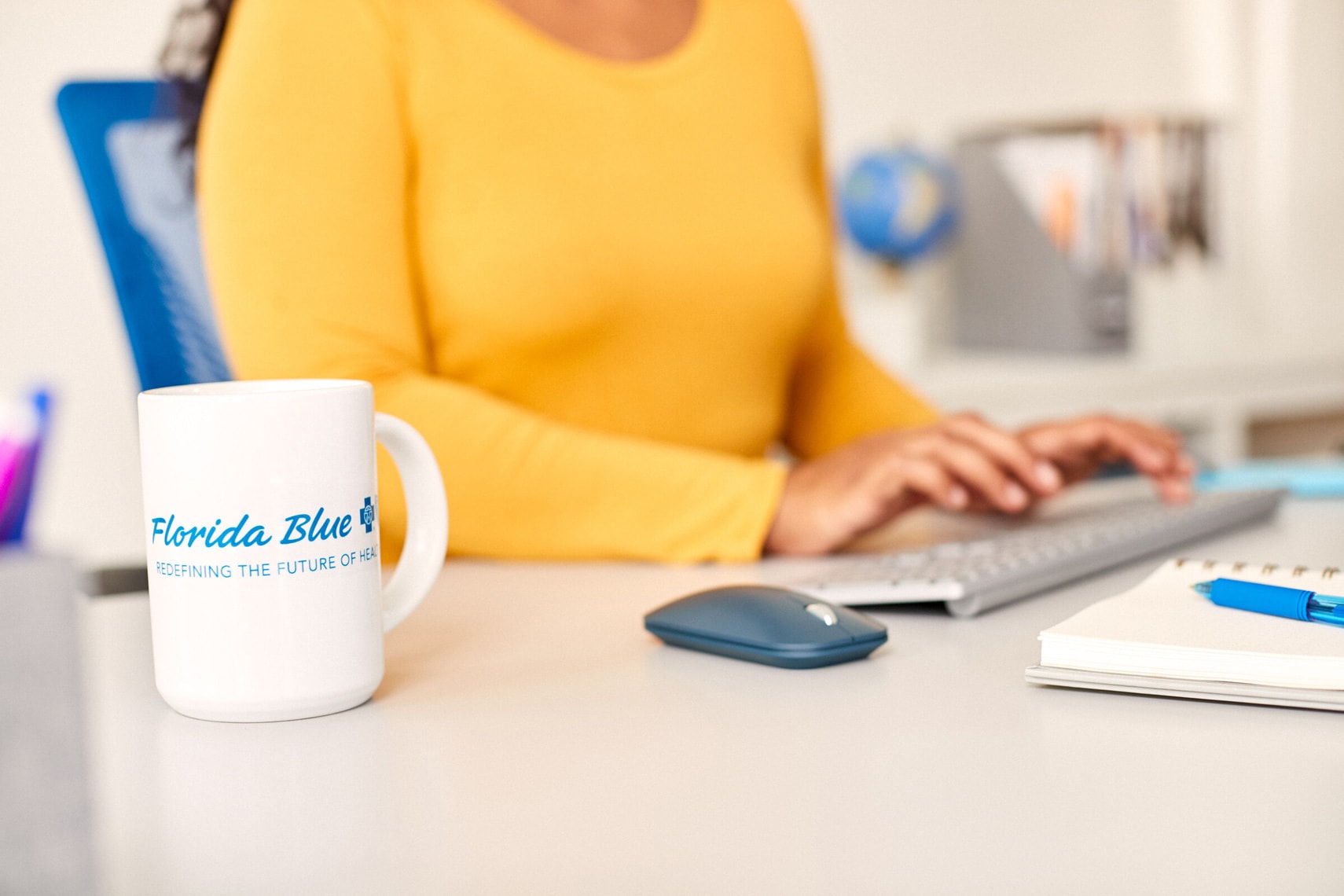
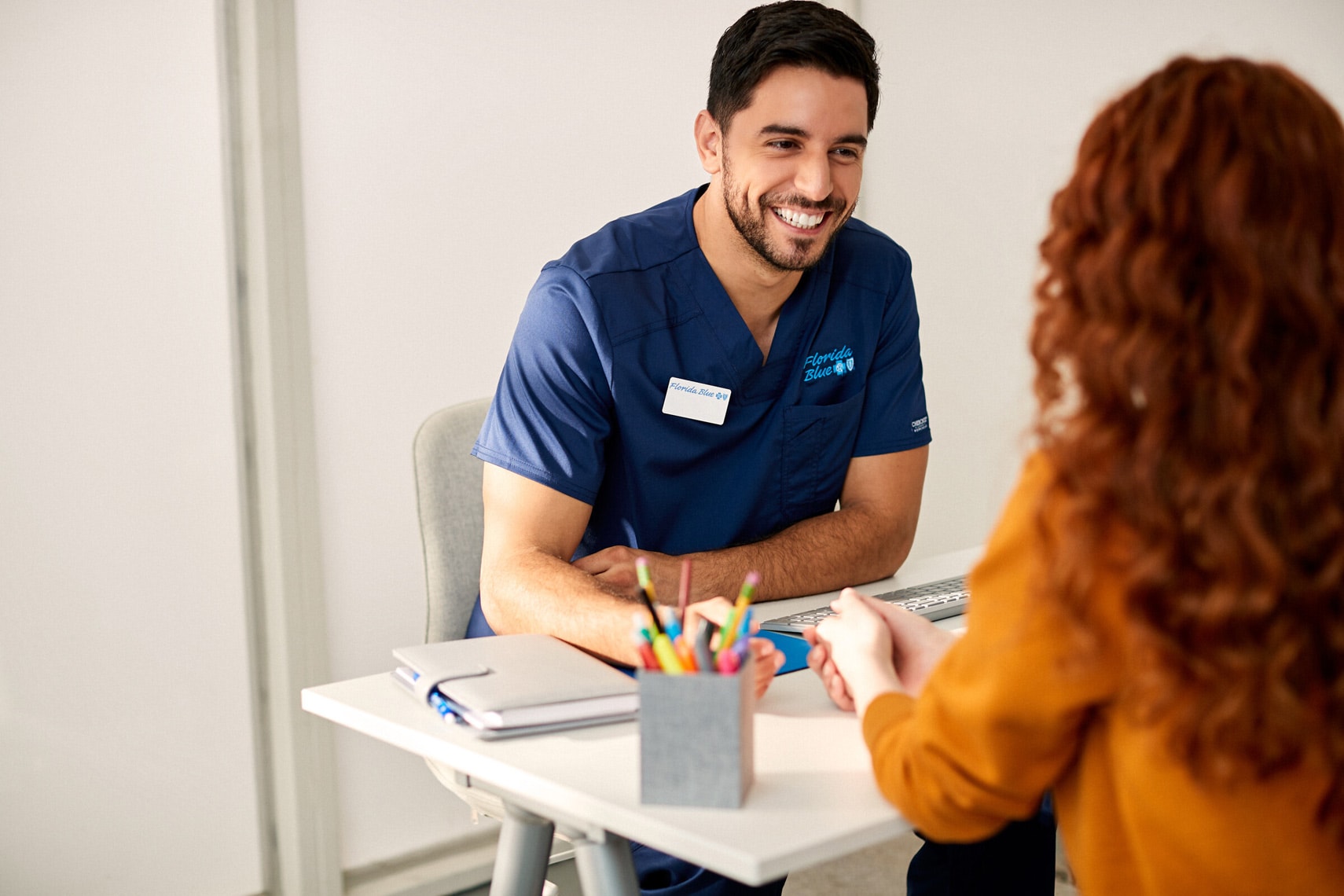
The locations. A surf shack. A medical lab. A mechanic shop. A greenhouse. A bakery. A construction site. An outdoor café. A home living room. A home kitchen. An artist’s studio. A tech startup office. A military scene. A neighborhood street. An old folks home. A car. A Florida Blue corporate office — complete with Florida Blue employees. And more. Each environment entirely distinct. Finding a location that could become all of them — without large company moves destroying the timeline — meant we weren’t looking for a studio. We were looking for a blank canvas big enough to build a city on.
We found it: a sprawling Miami facility with multiple buildings, bungalows, a warehouse, a garden, and a collection of structures we could transform entirely with art department. With the location map in hand, we assigned each shot to a space and began designing the transformations.
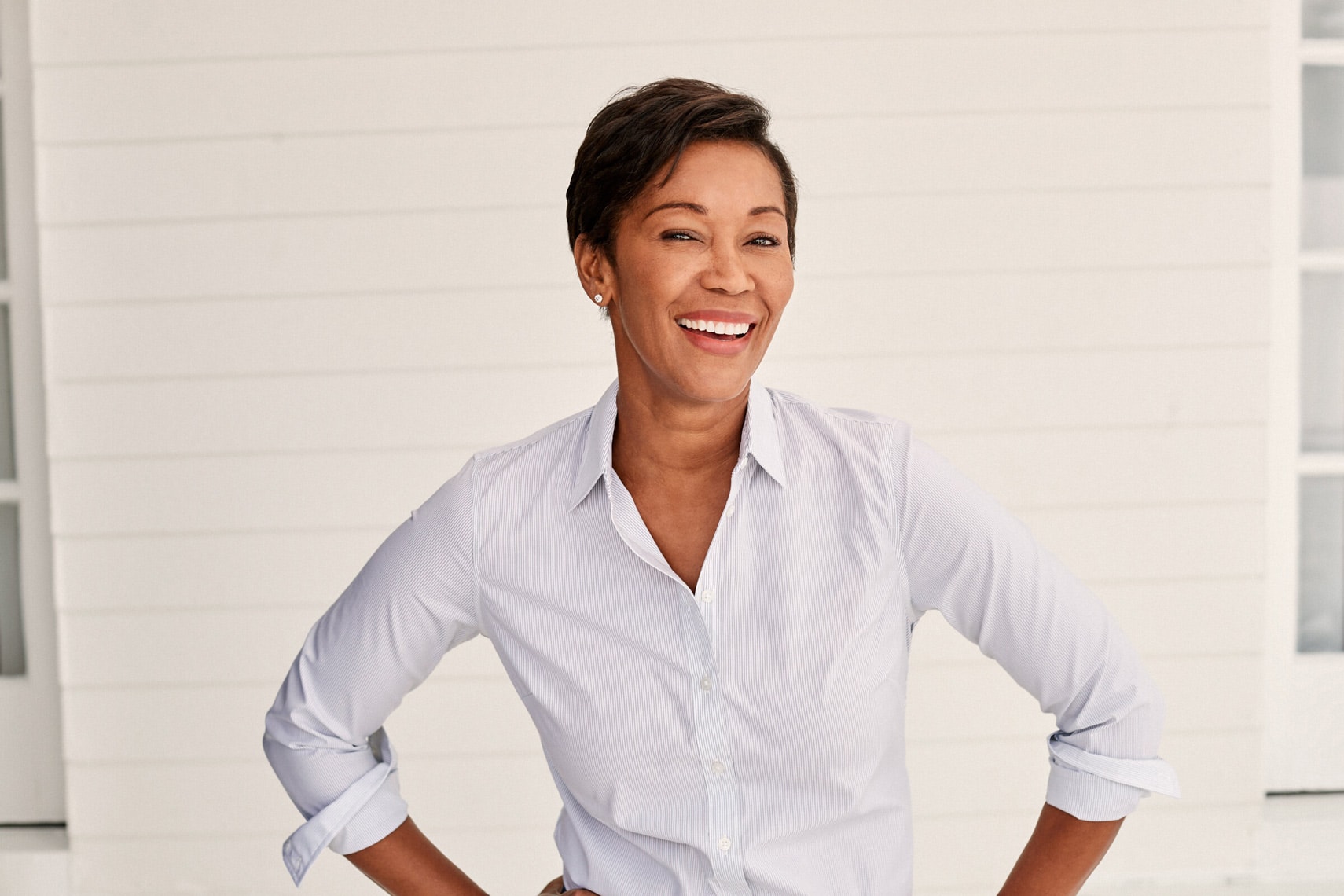
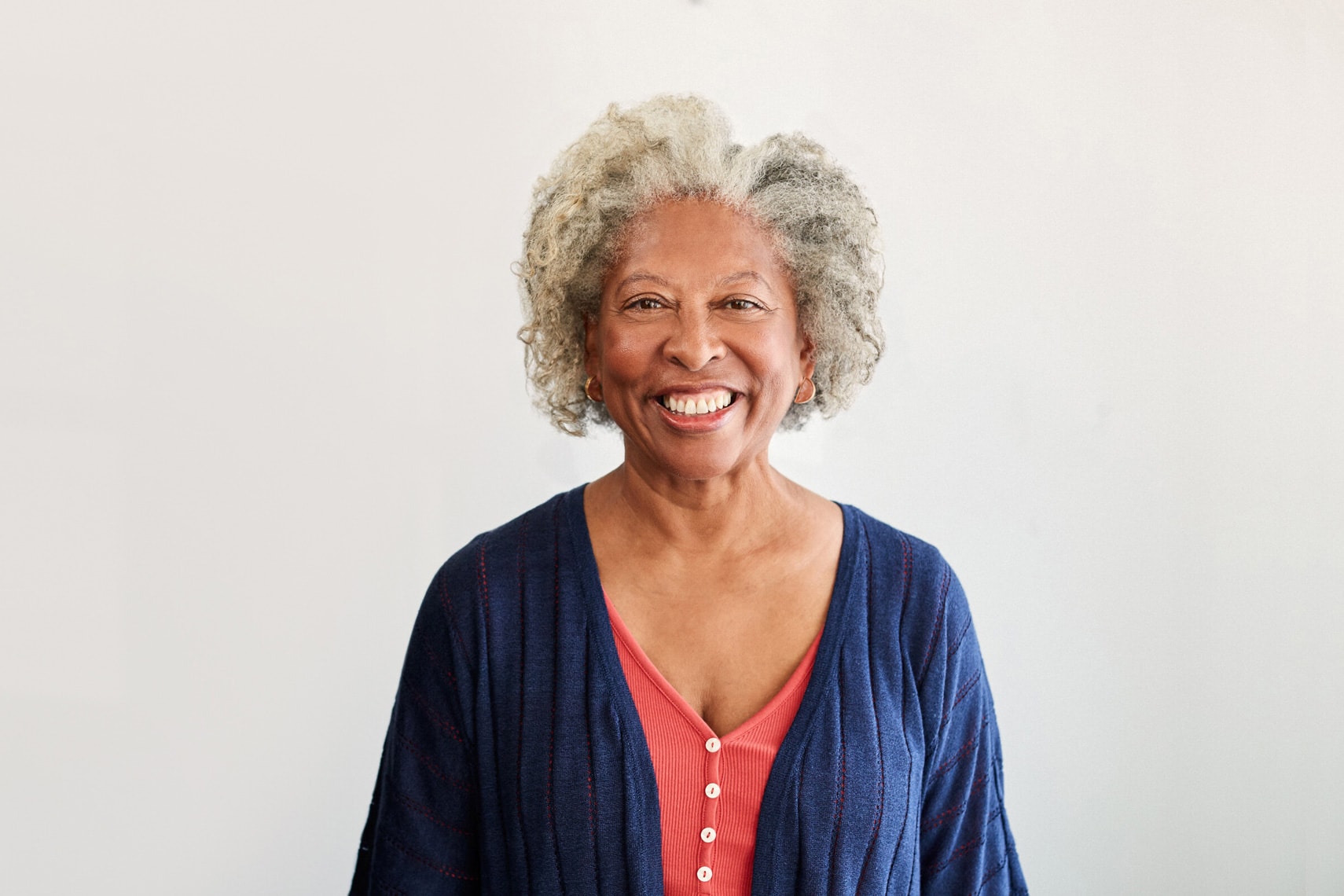
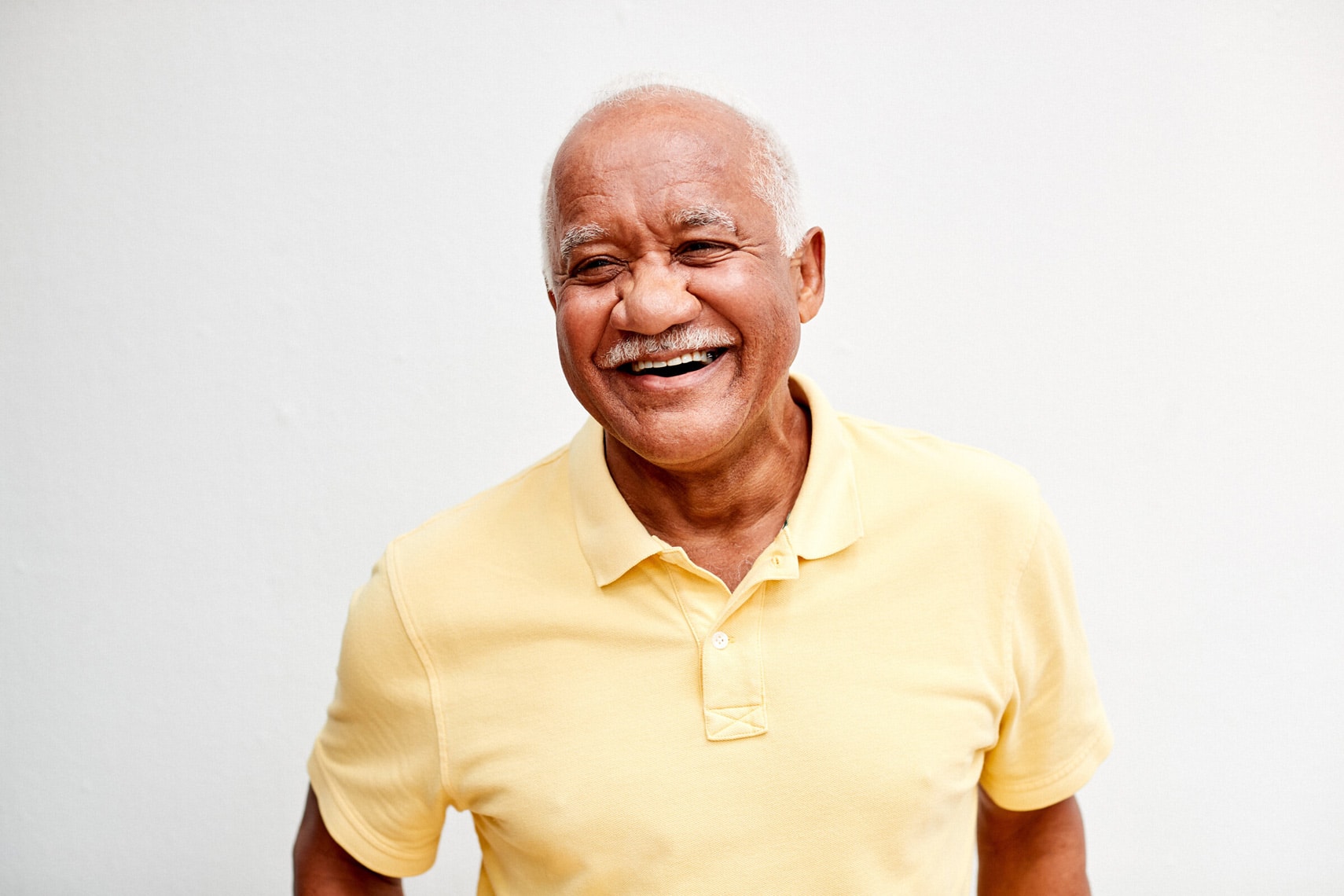
The talent. The brief called for 50+ unique, standalone images — each one its own world. But not every shot required a recognizable face. Some were designed around hands. A torso. A silhouette. A body in motion, identity intentionally obscured. These weren’t compromises — they were deliberate creative decisions, each one signed off by the client for that specific shot’s purpose. What the brief did require was that no face appeared twice in a hero role. With 38 models and 50+ shots, every casting decision had to map precisely against the full shot list. Who could double as background in one scene while carrying another shot entirely. It was a casting puzzle as much as a production one.
The clock. On a typical advertising shoot, 7–8 shots in a day is considered heavy. We needed 17–18 unique, fully-realized shots per day across a 10-hour window. No overtime. No flexibility. The client’s budget was fixed. The shot count was fixed. The math was brutal.
03The Approach
More time wasn’t the answer. More money wasn’t available. The only solution was choreography.
We designed the shoot like a military operation. Multiple sets would be live simultaneously — lit, dressed, talent in wardrobe and staged. I wouldn’t wait for a set to be ready. I would land on it, already hot, camera handed to me by my first assistant, capture running live. Direct talent. Get the shot. Move.
Pre-production stretched into long nights in my New York office — me, two executive producers, and a junior producer — working against the facility’s location map, the talent non-reuse matrix, and the daily shot timeline. Every variable had to be solved before day one. There was no room for a problem that hadn’t already been anticipated and planned around. A single slip behind schedule would cascade into a day we couldn’t recover from.
Some sets had 7 minutes. Timed with a stopwatch.
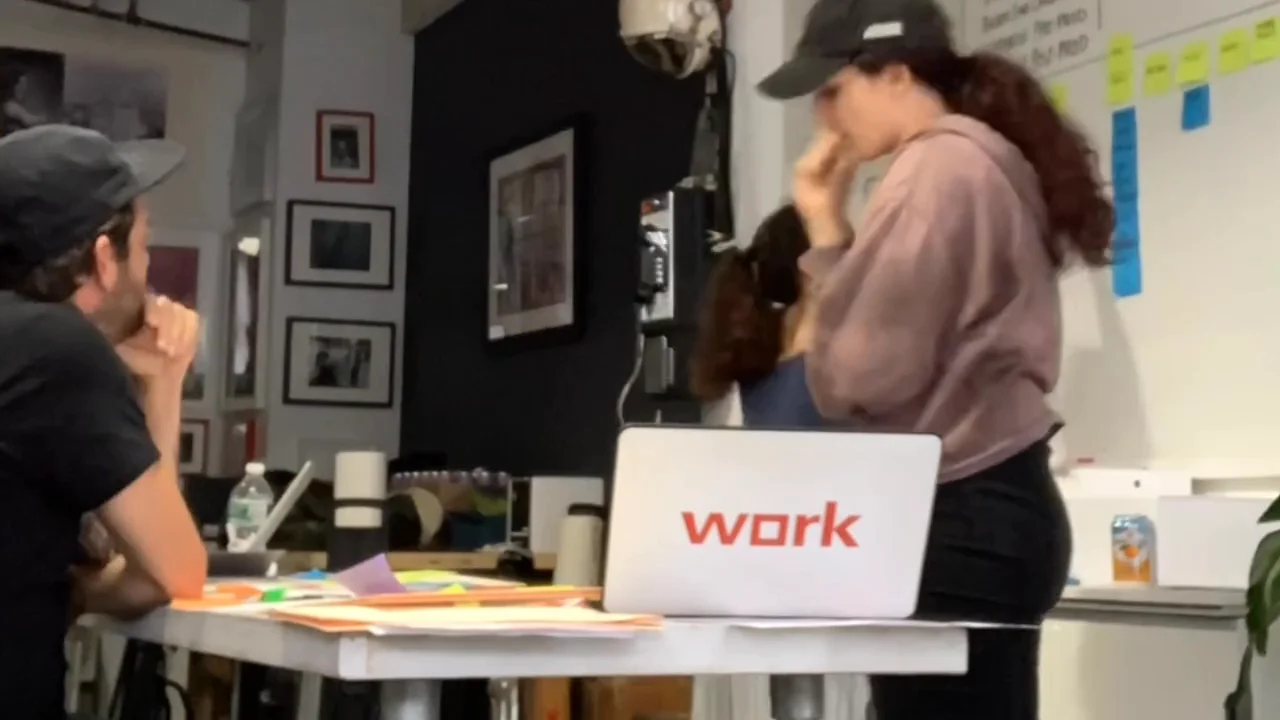
Pre-production timelapse
04On Set
The moment that stays with me isn’t a single image. It’s the flow.
Being moved from set to set — my producers on either side, my first assistant handing me the camera, another set already alive in my peripheral — and watching the whole machine move in perfect sync. 30 crew members. All of them executing without hesitation. The client watching from the monitor and barely believing what they were seeing.
Three days. No overtime. All 50+ shots delivered.
We took 45 minutes for lunch. That was the only rest.
05The Result
A complete image asset library that gave Florida Blue the visual range to build an entire campaign ecosystem. For everyone on set — from the crew to the producers to the client and agency team — it became one of those productions people talk about afterward. Not because it was glamorous. Because it shouldn’t have been possible, and it was.
The campaign
50 of 94 final frames